
Panduan lapangan hewan
Numbat
Identifikasi, habitat, rarity, perilaku, simbolisme, fakta, dan pelajaran praktis dari alam.
The Stripe-Back Termite Picker. The Numbat uses a long sticky tongue and daytime searching to pluck termites from logs and soil. It shows us that a very specific talent can be enough.
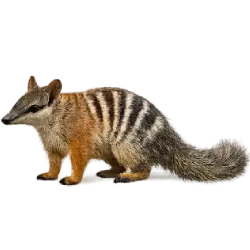
Kartu AnimalDex
Buka kartu hewan ini
Pindai atau tangkap hewan ini dengan AnimalDex untuk membuka kartu koleksi dan menambahkannya ke koleksi satwa liarmu.
Dapatkan AnimalDexNama ilmiah
Myrmecobius fasciatus
Kategori
Marsupial
Habitat
Open woodland, dry forest, and shrubland with fallen logs and termite colonies.
Rarity
Very rare · 88/100
Native range
Southwestern Australia and a small number of reintroduction sites.
Termite Focus
Follow the termites.
Daytime Sticky-Tongue Feeding
Apa yang diajarkannya
A specific hunger becomes enough when the whole body is shaped around it.
Coba
You finish a boring admin task by narrowing the goal to one checklist and clearing it before lunch.
Bukti alam
Numbats are specialized termite-eating marsupials that forage during the day using long sticky tongues and slender snouts to extract termites.
Gunakan untuk
Tangkapan Numbat berperingkat
Belum ada tangkapan komunitas berperingkat untuk spesies ini.
Mengapa Termite Focus?
Alasan di balik Prinsip Hewan ini dan biologi yang mendukungnya.
The numbat is a small striped Australian marsupial specialized for eating termites during the day.
Cara mengidentifikasi Numbat
- Reddish body with white back stripes
- Long pointed snout
- Bushy tail
- Often active by day while searching for termites
Kenapa Numbat menarik
- Numbat is a useful example of how anatomy and habitat fit together as one survival system.
- Its shape, movement style, and food strategy make it easy to compare with related animals.
- This species turns one page into a lesson about adaptation, ecosystem role, and identification.
Habitat: Open woodland, dry forest, and shrubland with fallen logs and termite colonies.
Native range: Southwestern Australia and a small number of reintroduction sites.
nativeRangeCardTitle
nativeRangeCardDescription
Open woodland, dry forest, and shrubland with fallen logs and termite colonies.
To find Numbat in the wild, focus on the exact habitat patches that match its body design and daily behavior, not just the broad country where it exists. You usually do better by working one good piece of habitat inside southwestern Australia and a small number of reintroduction sites. than by covering too much ground.
- Forest edge, canopy gaps, fruiting trees, or shaded trails where cover and food meet
- Protected habitat blocks within southwestern Australia and a small number of reintroduction sites.
- Start early, pick one strong patch of habitat, and stay long enough for movement to return after you arrive.
- Work edges, clearings, fruiting trees, and stream crossings rather than walking randomly through dense cover.
- Move quietly, stop often, and give the habitat time to settle; many mammals and insects show themselves only after the first pause.
Termites dominate the diet, collected with a long sticky tongue and pointed snout. The diet is the lesson itself: survival comes from mastering one hidden food rather than chasing everything.
Numbats are mainly diurnal, especially active when termites are reachable near the surface. Their schedule supports focus because they work when their one chosen food is available.
Numbats often live only a few years in the wild, though protected individuals may live longer. The short life makes precise daily foraging and safe shelter matter intensely.
Females give birth to tiny young that attach to nipples and are later left in a nest or burrow while the mother forages. Offspring survival depends on shelter plus a mother’s relentless termite work.
Males and females are similar in appearance, with males often a little larger. The small difference keeps the story on specialization: the tongue, snout, and schedule matter more than display.
- Numbat adjusts movement and feeding to match light, temperature, and food access in its habitat.
- Body design, timing, and shelter choices all help this species stay effective in the wild.
- Patient observation usually reveals more behavior than close approach or fast movement.
Numbat most often symbolizes termite focus in AnimalDex because its real survival behavior repeatedly shows this pattern.
A specific hunger becomes enough when the whole body is shaped around it.
Numbats are specialized termite-eating marsupials that forage during the day using long sticky tongues and slender snouts to extract termites.
- Keep distance and let the animal choose the space.
- Avoid blocking movement routes, nesting areas, or feeding behavior.
- Use optics, patience, and quiet observation instead of crowding for a closer view.
- Regional relatives may look similar at a distance.
- Juveniles, adults, and seasonal forms can differ in color or size.
- Light, angle, and habitat context can change how field marks appear.
statsTitle
statsDescription
statsSourceLabel: statsSourceSpeciesProfile
dominanceStat
33
speedStat
51
sizeStat
14
intelligenceStat
27
rarityStat
88%
Total
213
Size scale
Small
Uses the canonical size stat for consistent placement

US$170 – US$354
Perkiraan rentang nilai
Kepercayaan 69%
Perkiraan nilai AnimalDex dibuat dari stat spesies kanonik.
Not a marketplace listing.
Perkiraan nilai berdasarkan hewan yang teridentifikasi dan konteks harga yang tersedia. Bukan daftar marketplace.
Seberapa langka Numbat?
Rarity: Very rare (88/100)
The numbat has a restricted range and depends on protected habitat and predator control.
Systems Intelligence & Hidden Purpose
Sudut pandang systems biology untuk melihat bagaimana spesies ini dibangun, peran apa yang dijalankannya di ekosistem, dan pelajaran praktis apa yang bisa dipetik manusia.
System Role
The Daylight Termite Hunter
Numbat
Specialized Hardware
Reddish body with white back stripes, long pointed snout, and bushy tail give the Numbat a body plan tuned for its niche.
Systems Script
Numbats operate in open woodland, dry forest, and shrubland with fallen logs and termite colonies. Their design helps them match food access, shelter, and timing inside that environment.
Strategic Insight
A small specialist can stay alive by owning one precise job very well.
Public Animal Power
Explore this Animal Power
This is a public capture, so you can explore its Animal Power here. Personal Apex matches and challenges use your Wild Profile and animals you own.
Own an animal with this power to use it in Growth challenges.
Hewan terkait
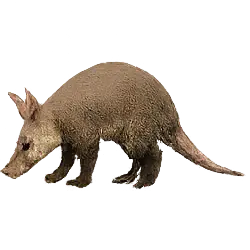
Aardvark
The aardvark is a nocturnal African mammal known for its long snout, strong digging…
Baca panduan spesies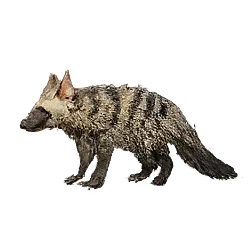
Aardwolf
The aardwolf is a small striped relative of hyenas that feeds mainly on termites rather…
Baca panduan spesies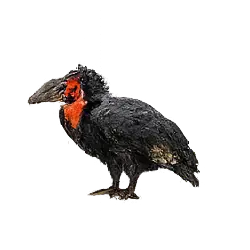
Abyssinian Ground Hornbill
Abyssinian Ground Hornbill is a bird known for bare red facial skin, huge…
Baca panduan spesiesLebih banyak hewan dengan kekuatan Focus
Jelajahi semua hewan Focus
African Pygmy Kingfisher
Pygmy Kingfisher expresses Flashperch through tiny bright body, watchful perch, sudden…
Baca panduan spesies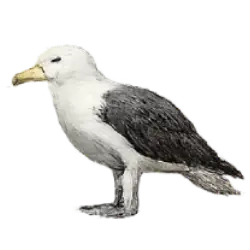
Atlantic Yellow-nosed Albatross
Atlantic Yellow-nosed Albatross is a bird known for long gliding ocean wings, yellow…
Baca panduan spesies
Barred Eagle-Owl
Barred Eagle-Owl teaches Barred Eagle Owl · Canopy Vigilance through its real biology:…
Baca panduan spesiesBawa ensiklopedia ke dunia nyata
AnimalDex membantumu memindai hewan nyata, mengidentifikasi spesies, mengoleksi kartu, dan belajar dari alam di mana pun kamu berada.