
Panduan lapangan hewan
Termite
Identifikasi, habitat, rarity, perilaku, simbolisme, fakta, dan pelajaran praktis dari alam.
Mound builder. Colony architects that ventilate mound cities and recycle plant fiber at scale.

Kartu AnimalDex
Buka kartu hewan ini
Pindai atau tangkap hewan ini dengan AnimalDex untuk membuka kartu koleksi dan menambahkannya ke koleksi satwa liarmu.
Dapatkan AnimalDexNama ilmiah
Isoptera within Blattodea
Kategori
Insect
Habitat
Savannah, woodland, tropical forest, dry scrub, and built environments with cellulose-rich material and workable soil.
Rarity
Relatively common · 36/100
Native range
Termites occur globally except in the coldest high-latitude regions, with highest diversity in tropical and subtropical areas.
Ventilated Labor
Build the air together.
Build a system no single body could regulate alone.
Apa yang diajarkannya
Shared structure turns tiny work into a living climate.
Coba
A messy household improves when everyone owns one part of the system.
Bukti alam
Macrotermes termites build complex mounds with ventilation and fungus gardens, coordinating colony labor to manage food, shelter, and temperature.
Gunakan untuk
Tangkapan Termite berperingkat
Belum ada tangkapan komunitas berperingkat untuk spesies ini.
Mengapa Ventilated Labor?
Alasan di balik Prinsip Hewan ini dan biologi yang mendukungnya.
Termites are social insects that process plant material, build climate-regulating mounds, and quietly reshape soil and nutrient systems.
Cara mengidentifikasi Termite
- Pale soft-bodied workers or darker soldiers depending on caste
- Mud tubes, pellet traces, or mound architecture near colonies
- Winged alates emerging seasonally in humid weather
Kenapa Termite menarik
- Termites are major ecosystem engineers disguised as small insects.
- Their colonies are strong case studies in decentralized construction and material conversion.
Habitat: Savannah, woodland, tropical forest, dry scrub, and built environments with cellulose-rich material and workable soil.
Native range: Termites occur globally except in the coldest high-latitude regions, with highest diversity in tropical and subtropical areas.
nativeRangeCardTitle
nativeRangeCardDescription
Savannah, woodland, tropical forest, dry scrub, and built environments with cellulose-rich material and workable soil.
To find Termite in the wild, focus on the exact habitat patches that match its body design and daily behavior, not just the broad country where it exists. You usually do better by working one good piece of habitat inside termites occur globally except in the coldest high-latitude regions, with highest diversity in tropical and subtropical areas. than by covering too much ground.
- Forest edge, canopy gaps, fruiting trees, or shaded trails where cover and food meet
- Open grassland edges, lightly wooded plains, or raised ground where you can scan long distances
- Water sources, dune bases, rocky wadis, or shaded scrub at first and last light
- Start early, pick one strong patch of habitat, and stay long enough for movement to return after you arrive.
- Work edges, clearings, fruiting trees, and stream crossings rather than walking randomly through dense cover.
- Move quietly, stop often, and give the habitat time to settle; many mammals and insects show themselves only after the first pause.
Plant fiber, dead wood, grasses, and fungus gardens support Ventilated Labor by turning tiny chewing into shared food systems.
Ants, aardvarks, birds, reptiles, mammals, and mound damage threaten termites; walls, soldiers, and tunnels protect labor.
Termite colonies work day and night in shifts, with workers maintaining tunnels, fungus, brood, and ventilation continuously.
Individual workers may live months, while queens and colonies can persist for years, making Ventilated Labor larger than one body.
Queens lay huge numbers of eggs, while sterile workers and soldiers care for brood and defend the colony structure.
Castes differ strongly: queens, kings, workers, soldiers, and winged reproductives have different bodies and jobs.
- Uses caste specialization for feeding, defense, and reproduction
- Maintains humidity and airflow through mound or nest structure
- Relies on gut microbes to break down cellulose-rich food
Termite most often symbolizes ventilated labor in AnimalDex because its real survival behavior repeatedly shows this pattern.
Shared structure turns tiny work into a living climate.
Macrotermes termites build complex mounds with ventilation and fungus gardens, coordinating colony labor to manage food, shelter, and temperature.
- Observe mound surfaces without kicking or opening chambers.
- Look for foraging lines after rain rather than tearing apart logs.
- Ants
- Booklice in wood
- Winged ant swarms
statsTitle
statsDescription
statsSourceLabel: statsSourceSpeciesProfile
dominanceStat
8
speedStat
18
sizeStat
1
intelligenceStat
52
rarityStat
36%
Total
115
Size scale
Microscopic edge
Uses the canonical size stat for consistent placement

US$59 – US$123
Perkiraan rentang nilai
Kepercayaan 69%
Perkiraan nilai AnimalDex dibuat dari stat spesies kanonik.
Not a marketplace listing.
Perkiraan nilai berdasarkan hewan yang teridentifikasi dan konteks harga yang tersedia. Bukan daftar marketplace.
Seberapa langka Termite?
Rarity: Relatively common (36/100)
Most termite groups are common and often locally abundant because they exploit widespread plant matter and organized colony living.
Systems Intelligence & Hidden Purpose
Sudut pandang systems biology untuk melihat bagaimana spesies ini dibangun, peran apa yang dijalankannya di ekosistem, dan pelajaran praktis apa yang bisa dipetik manusia.
System Role
The Cellulose Conversion Factory
Termite
Specialized Hardware
Microbe-assisted digestion, caste-based labor specialization, and climate-regulating mound architecture allow termites to process material most animals cannot use directly.
Systems Script
Termites convert dead plant matter into accessible nutrients, aerate soils, and build structures that alter temperature, moisture, and habitat availability for other organisms. They are infrastructure builders disguised as insects.
Strategic Insight
Some of the best systems create value by turning low-grade input into usable output. Waste is often just a resource without the right processing stack.
Public Animal Power
Explore this Animal Power
This is a public capture, so you can explore its Animal Power here. Personal Apex matches and challenges use your Wild Profile and animals you own.
Own an animal with this power to use it in Growth challenges.
Hewan terkait
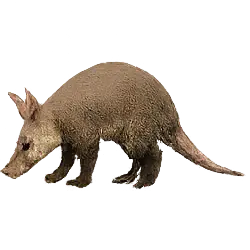
Aardvark
The aardvark is a nocturnal African mammal known for its long snout, strong digging…
Baca panduan spesies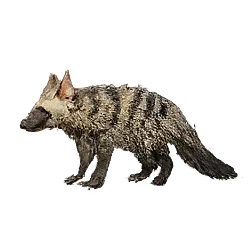
Aardwolf
The aardwolf is a small striped relative of hyenas that feeds mainly on termites rather…
Baca panduan spesies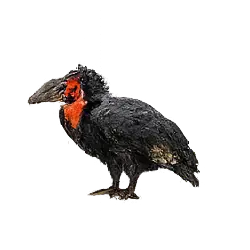
Abyssinian Ground Hornbill
Abyssinian Ground Hornbill is a bird known for bare red facial skin, huge…
Baca panduan spesiesLebih banyak hewan dengan kekuatan Teamwork
Jelajahi semua hewan Teamwork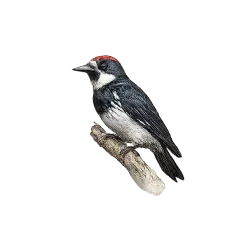
Acorn Woodpecker
Acorn Woodpecker expresses Granary Drummer through real survival details, not a generic…
Baca panduan spesies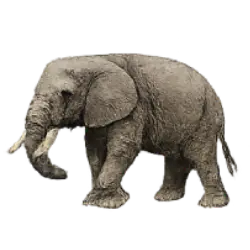
African Bush Elephant
African Bush Elephant is a mammal known for huge fan-shaped ears, long open-country…
Baca panduan spesies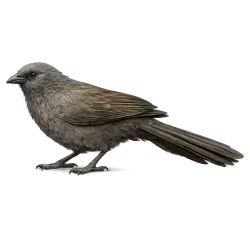
Apostlebird
Apostlebird teaches Twelve-Strong Forage through soft ashy-grey plumage, a short dark…
Baca panduan spesiesBawa ensiklopedia ke dunia nyata
AnimalDex membantumu memindai hewan nyata, mengidentifikasi spesies, mengoleksi kartu, dan belajar dari alam di mana pun kamu berada.
Panduan blog terkait
Lanjutkan belajar lewat artikel praktis yang terhubung dengan spesies ini.
Biomimicry in Animals: 35 Examples of Nature-Inspired Design
Discover 35 examples of biomimicry in animals, from shark skin and gecko feet to owl wings, elephant trunks, whale fins, spider silk, dolphins, ants, bees, and more.
Baca artikel blogHow Termites Build Living Infrastructure
A systems guide to termite behavior, mound engineering, survival strategy, ecosystem role, and why termites matter far beyond being decomposers.
Baca artikel blogMuncul di tier list
Lihat posisi spesies ini di halaman tier list AnimalDex yang dibangun dengan perbandingan terstruktur dan metodologi yang jelas.
#9 · Reputation
Most Reviled Animals in the World: Top 100 Tier List
Termite matters because humans often treat home-damaging insects as among the most 'useless' animals on Earth.
Baca tier list