
Panduan lapangan hewan
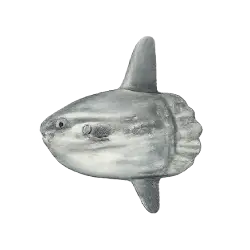
Ocean Sunfish
Identifikasi, habitat, rarity, perilaku, simbolisme, fakta, dan pelajaran praktis dari alam.
Kartu AnimalDex
Buka kartu hewan ini
Pindai atau tangkap hewan ini dengan AnimalDex untuk membuka kartu koleksi dan menambahkannya ke koleksi satwa liarmu.
Dapatkan AnimalDexPanduan lapangan hewan
Ocean Sunfish
Odd Thriving
Thrive strange.
A strange shape can thrive when it stops apologizing for its design.
No captures yet
Native range
Location unknown
AnimalDex does not have a mapped native range region for this profile yet.
AnimalDex stats
Dominance
48
Speed
28
Size
72
Intelligence
28
Rarity
52%
Total
228
Size scale
Nama ilmiah
Mola mola
Kategori
Fish
Habitat
open ocean and warm-temperate pelagic water
Rarity
Uncommon · 52/100
Native range
oceans worldwide
Mengapa Odd Thriving?
Alasan di balik Prinsip Hewan ini dan biologi yang mendukungnya.
Ocean Sunfish is a fish known for enormous flattened body, strange fin-powered swimming, and surface basking behavior.
Cara mengidentifikasi Ocean Sunfish
- enormous flattened body
- strange fin-powered swimming
- surface basking behavior
- Often associated with open ocean and warm-temperate pelagic water
Kenapa Ocean Sunfish menarik
- Ocean Sunfish is a useful example of how anatomy and habitat fit together as one survival system.
- Its shape, movement style, and food strategy make it easy to compare with related animals.
- This species turns one page into a lesson about adaptation, ecosystem role, and identification.
Habitat: open ocean and warm-temperate pelagic water
Native range: oceans worldwide
To find Ocean Sunfish in the wild, focus on the exact habitat patches that match its body design and daily behavior, not just the broad country where it exists. You usually do better by working one good piece of habitat inside oceans worldwide than by covering too much ground.
- Headlands, reef edges, island colonies, tidal channels, or productive coastal water
- Sunlit logs, exposed branches, warm rocks, or regular perch sites used for scanning
- Protected habitat blocks within oceans worldwide
- Early sun and calm weather usually give the best chance of seeing normal basking, perched, or soaring behavior.
- Time your search around tide, wind, and visibility, then focus on feeding lines, reef edges, and known haul-out or nesting spots.
- Choose a viewing point with clean light and water visibility, then watch for repeated surfacing, feeding, or current lines.
Jellyfish, salps, squid, small fish, crustaceans, and gelatinous prey support Odd Thriving because the fish follows soft drifting food many predators ignore.
Ocean Sunfish are active across day and depth cycles, often diving and returning toward the surface. Their rhythm is drift, dive, feed, bask, and continue strangely.
Ocean Sunfish can live for many years, though exact wild lifespan varies. Odd Thriving becomes a long proof that an unusual design can still cross huge ocean space.
Females release vast numbers of tiny eggs into open water. Offspring fit the principle because a huge odd adult begins as one of countless delicate drifting lives.
Sex differences are not obvious to casual observers. The shared disk body carries the lesson more than visible dimorphism.
- Ocean Sunfish adjusts movement and feeding to match light, temperature, and food access in its habitat.
- Body design, timing, and shelter choices all help this species stay effective in the wild.
- Patient observation usually reveals more behavior than close approach or fast movement.
Ocean Sunfish most often symbolizes odd thriving in AnimalDex because its real survival behavior repeatedly shows this pattern.
A strange shape can thrive when it stops apologizing for its design.
Ocean Sunfish have huge flattened bodies, swim with dorsal and anal fins, bask near the surface, and feed largely on gelatinous prey such as jellyfish.
- Keep distance and let the animal choose the space.
- Avoid blocking movement routes, nesting areas, or feeding behavior.
- Use optics, patience, and quiet observation instead of crowding for a closer view.
- Regional relatives may look similar at a distance.
- Juveniles, adults, and seasonal forms can differ in color or size.
- Light, angle, and habitat context can change how field marks appear.
Hewan terkait
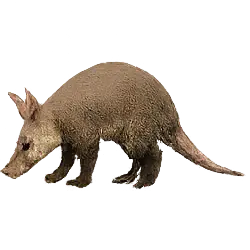
Aardvark
The aardvark is a nocturnal African mammal known for its long snout, strong digging…
Baca panduan spesies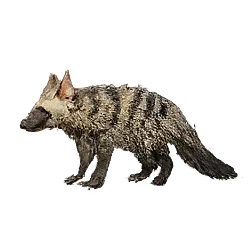
Aardwolf
The aardwolf is a small striped relative of hyenas that feeds mainly on termites rather…
Baca panduan spesies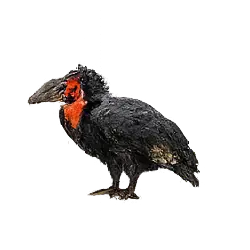
Abyssinian Ground Hornbill
Abyssinian Ground Hornbill is a bird known for bare red facial skin, huge…
Baca panduan spesiesLebih banyak hewan dengan kekuatan Canopy Life
Jelajahi semua hewan Canopy Life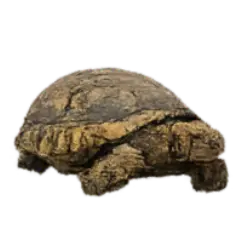
Aldabra Giant Tortoise
Aldabra Giant Tortoise is a reptile known for immense domed shell, very long lifespan,…
Baca panduan spesies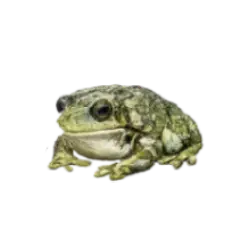
Amazon Milk Frog
Amazon Milk Frog is a amphibian known for big silver-rimmed eyes, banded brown-and-blue…
Baca panduan spesies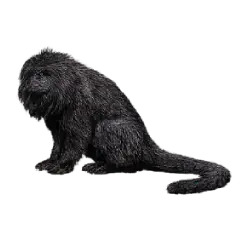
Black Howler Monkey
Black Howler Monkey is a mammal known for booming long-distance calls, prehensile tail,…
Baca panduan spesiesBawa ensiklopedia ke dunia nyata
AnimalDex membantumu memindai hewan nyata, mengidentifikasi spesies, mengoleksi kartu, dan belajar dari alam di mana pun kamu berada.