
Panduan lapangan hewan
Pagoda Cup Coral
Identifikasi, habitat, rarity, perilaku, simbolisme, fakta, dan pelajaran praktis dari alam.

Kartu AnimalDex
Buka kartu hewan ini
Pindai atau tangkap hewan ini dengan AnimalDex untuk membuka kartu koleksi dan menambahkannya ke koleksi satwa liarmu.
Dapatkan AnimalDexPanduan lapangan hewan
Pagoda Cup Coral
Tiered Collection
Stack, do not stack over.
Stacked layers gather more than a single flat surface ever could.
No captures yet
Native range
Natural range, not this capture location
Native range keys: indian_ocean, south_pacific, coral_triangle. Sheltered, often turbid inshore reefs and lagoon slopes suit Pagoda Cup Coral because Tiered Collection is worth most where light is scarce enough that shading a lower layer would cost the colony.
Search near meAnimalDex stats
Dominance
18
Speed
2
Size
20
Intelligence
6
Rarity
52%
Total
98
Size scale
Nama ilmiah
Turbinaria peltata
Kategori
Marine invertebrate
Habitat
Native range keys: indian_ocean, south_pacific, coral_triangle. Sheltered, often turbid inshore reefs and lagoon slopes suit Pagoda Cup Coral because Tiered Collection is worth most where light is scarce enough that shading a lower layer would cost the colony.
Rarity
Uncommon · 52/100
Native range
Native range keys: indian_ocean, south_pacific, coral_triangle. Sheltered, often turbid inshore reefs and lagoon slopes suit Pagoda Cup Coral because Tiered Collection is worth most where light is scarce enough that shading a lower layer would cost the colony.
Mengapa Tiered Collection?
Alasan di balik Prinsip Hewan ini dan biologi yang mendukungnya.
Pagoda Cup Coral teaches Tiered Collection in stone. Its plates step outward as they stack, giving the colony the tiered roofline that named it and giving every layer its own share of light.
Cara mengidentifikasi Pagoda Cup Coral
- Stony plates stacked in stepped, overlapping tiers
- Large fleshy polyps that stand well clear of the skeleton when extended
- Grey-green to brown tissue over a heavy calcium carbonate frame
- Tolerates turbid, lower-light water that many stony corals cannot
Kenapa Pagoda Cup Coral menarik
- Its stepped plates are why it is called a pagoda coral — each tier oversails the one below.
- It carries unusually large polyps for a plating stony coral, and extends them well beyond the skeleton to feed.
- It handles silty, turbid inshore water better than most reef-building corals.
- Colonies can grow over a metre across in shallow, sheltered water.
- Like other reef-building corals it depends on symbiotic algae in its tissue for most of its energy.
Habitat: Native range keys: indian_ocean, south_pacific, coral_triangle. Sheltered, often turbid inshore reefs and lagoon slopes suit Pagoda Cup Coral because Tiered Collection is worth most where light is scarce enough that shading a lower layer would cost the colony.
Native range: Native range keys: indian_ocean, south_pacific, coral_triangle. Sheltered, often turbid inshore reefs and lagoon slopes suit Pagoda Cup Coral because Tiered Collection is worth most where light is scarce enough that shading a lower layer would cost the colony.
nativeRangeCardTitle
nativeRangeCardDescription
nativeRangeMissingAssets
Native range keys: indian_ocean, south_pacific, coral_triangle. Sheltered, often turbid inshore reefs and lagoon slopes suit Pagoda Cup Coral because Tiered Collection is worth most where light is scarce enough that shading a lower layer would cost the colony.
To find Pagoda Cup Coral in the wild, focus on the exact habitat patches that match its body design and daily behavior, not just the broad country where it exists. You usually do better by working one good piece of habitat inside native range keys: indian_ocean, south_pacific, coral_triangle. Sheltered, often turbid inshore reefs and lagoon slopes suit Pagoda Cup Coral because Tiered Collection is worth most where light is scarce enough that shading a lower layer would cost the colony. than by covering too much ground.
- Quiet marsh edges, reedbeds, river bends, or shallow wetland margins
- Headlands, reef edges, island colonies, tidal channels, or productive coastal water
- Protected habitat blocks within native range keys: indian_ocean, south_pacific, coral_triangle. Sheltered, often turbid inshore reefs and lagoon slopes suit Pagoda Cup Coral because Tiered Collection is worth most where light is scarce enough that shading a lower layer would cost the colony.
- First light and late afternoon are often best, when animals come out to feed along the edge of water.
- Watch the transition line between open water and cover, because feeding and movement often happen on that edge.
- Choose a viewing point with clean light and water visibility, then watch for repeated surfacing, feeding, or current lines.
Sugars from symbiotic zooxanthellae, plus zooplankton and particulate matter caught by its large extended polyps. This diet supports Tiered Collection because both light and drifting food arrive from above, so tier spacing decides how much each layer gets.
Crown-of-thorns starfish, coral-eating snails and some butterflyfish. Its answer is structural — a heavy stony skeleton and tissue withdrawn into the plate when disturbed.
Pagoda Cup Coral extends its polyps mostly after dark and withdraws them in bright daylight, so the colony changes appearance entirely between day and night.
Colonies live and expand for decades, so Tiered Collection compounds — every year of growth adds another layer of collecting surface.
Colonies release eggs and sperm in seasonal mass spawning events, and larvae settle on hard substrate to found new colonies. Offspring fit the principle because a founding larva starts the same stepped structure over again from one flat plate.
Colonies show no external difference between sexes. Nothing about the animal signals sex because spawning is synchronised by season and moon rather than by display.
- Stony plates stacked in stepped, overlapping tiers
- Large fleshy polyps that stand well clear of the skeleton when extended
- Grey-green to brown tissue over a heavy calcium carbonate frame
- Tolerates turbid, lower-light water that many stony corals cannot
Pagoda Cup Coral most often symbolizes tiered collection in AnimalDex because its real survival behavior repeatedly shows this pattern.
Stacked layers gather more than a single flat surface ever could.
Pagoda Cup Coral grows as overlapping horizontal plates, each stepped out beyond the one below so every tier keeps its own access to light and drifting food.
- Observe from a respectful distance and avoid changing the animal's behavior.
- Do not block feeding, shelter, nesting, or travel routes.
- Use a live camera capture without handling or staging wildlife.
Hewan terkait
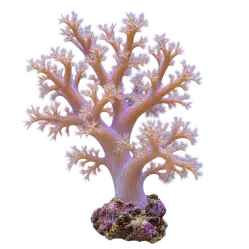
Kenya Tree Coral
Kenya Tree Coral teaches Branch and Multiply the most literal way an animal can. It…
Baca panduan spesies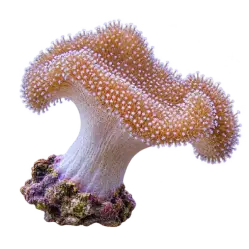
Toadstool Leather Coral
Toadstool Leather Coral teaches Shed and Renew through a cycle every reefkeeper…
Baca panduan spesies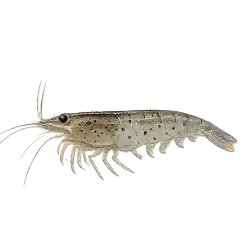
Amano Shrimp
The Tireless Algae-Grazer. The Tireless Algae-Grazer. Steady, consistent effort can…
Baca panduan spesiesLebih banyak hewan dengan kekuatan Design
Jelajahi semua hewan Design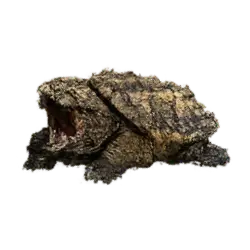
Alligator Snapping Turtle
The alligator snapping turtle is a heavy freshwater turtle known for a spiked shell,…
Baca panduan spesies
Alpine Musk Deer
Alpine Musk Deer teaches Antlerless Alternative through a deer body that solves display…
Baca panduan spesies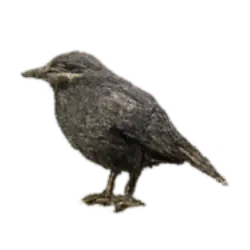
American Dipper
American Dipper is a bird known for stream-running songbird body, underwater walking…
Baca panduan spesiesBawa ensiklopedia ke dunia nyata
AnimalDex membantumu memindai hewan nyata, mengidentifikasi spesies, mengoleksi kartu, dan belajar dari alam di mana pun kamu berada.