
Panduan lapangan hewan
Polar Bear
Identifikasi, habitat, rarity, perilaku, simbolisme, fakta, dan pelajaran praktis dari alam.
The Ice-Floor White Giant. The Polar Bear uses giant paws and thick fur to hunt and travel across Arctic sea ice. It reminds us that even great strength still depends on the ground beneath it.
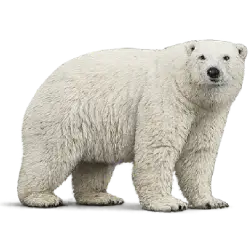
Kartu AnimalDex
Buka kartu hewan ini
Pindai atau tangkap hewan ini dengan AnimalDex untuk membuka kartu koleksi dan menambahkannya ke koleksi satwa liarmu.
Dapatkan AnimalDexNama ilmiah
Ursus maritimus
Kategori
Mammal
Habitat
Sea ice, Arctic coastlines, pack ice margins, and seasonal marine hunting zones.
Rarity
Rare · 72/100
Native range
Circumpolar Arctic regions of North America, Greenland, Europe, and Asia.
Endurance
Endure the winter.
Cross the harsh distance by conserving strength and enduring scarcity.
Apa yang diajarkannya
Conditions don't determine outcomes.
Coba
One bold boundary pauses an argument long enough to breathe.
Bukti alam
Polar bears travel huge distances, endure cold, and survive long periods of scarcity.
Gunakan untuk
Tangkapan Polar Bear berperingkat
Belum ada tangkapan komunitas berperingkat untuk spesies ini.
Mengapa Endurance?
Alasan di balik Prinsip Hewan ini dan biologi yang mendukungnya.
Polar bears are Arctic marine bears specialized for sea ice hunting, insulation, and long-range movement between seal access points.
Cara mengidentifikasi Polar Bear
- Large pale bear with long neck and relatively narrow head
- Heavy shoulders and long body suited to swimming and ice travel
- Creamy to yellow-white coat over dark skin
Kenapa Polar Bear menarik
- Polar bears are major examples of mammal specialization built around a disappearing physical platform.
- Their physiology and movement make Arctic food-web changes especially visible.
Habitat: Sea ice, Arctic coastlines, pack ice margins, and seasonal marine hunting zones.
Native range: Circumpolar Arctic regions of North America, Greenland, Europe, and Asia.
nativeRangeCardTitle
nativeRangeCardDescription
Sea ice, Arctic coastlines, pack ice margins, and seasonal marine hunting zones.
To find Polar Bear in the wild, focus on the exact habitat patches that match its body design and daily behavior, not just the broad country where it exists. You usually do better by working one good piece of habitat inside circumpolar Arctic regions of North America, Greenland, Europe, and Asia. than by covering too much ground.
- Headlands, reef edges, island colonies, tidal channels, or productive coastal water
- Protected habitat blocks within circumpolar Arctic regions of North America, Greenland, Europe, and Asia.
- First light and late afternoon are often best, when animals come out to feed along the edge of water.
- Time your search around tide, wind, and visibility, then focus on feeding lines, reef edges, and known haul-out or nesting spots.
- Move quietly, stop often, and give the habitat time to settle; many mammals and insects show themselves only after the first pause.
Mostly seals and fat-rich marine prey support Endurance because dense energy is needed for cold travel, fasting, swimming, and hunting waits.
adult threats are humans and scarcity; cubs may face males or wolves rarely
Polar Bears rest between long travel, swimming, stalking, and seal-hole waits, saving energy for moments when endurance must become action.
Polar Bears often live 20 to 30 years, if sea ice, prey, and survival conditions hold long enough for repeated endurance.
Females den in snow and nurse tiny cubs through winter, turning stored fat and stillness into the first act of endurance.
Males are much larger, while females carry the extreme denning burden; both show endurance through cold, distance, and scarcity.
- Patrols seal breathing holes and ice edges patiently
- Swims long distances when ice routes break apart
- Builds energy reserves around seasonal hunting success
Polar Bear most often symbolizes endurance in AnimalDex because its real survival behavior repeatedly shows this pattern.
Conditions don't determine outcomes.
Polar bears travel huge distances, endure cold, and survive long periods of scarcity.
- Use trained Arctic guides and stay inside regulated safety protocols.
- Never approach a bear on foot or pressure one moving between shore and ice.
- Brown bear with pale coat
- Large ice formations at extreme distance
- Zoo image context confusion
statsTitle
statsDescription
statsSourceLabel: statsSourceSpeciesProfile
dominanceStat
94
speedStat
48
sizeStat
82
intelligenceStat
58
rarityStat
72%
Total
354
Size scale
Huge
Uses the canonical size stat for consistent placement


US$90.000 – US$560.000
Perkiraan rentang nilai
Kepercayaan 63%
Perkiraan nilai AnimalDex menggunakan baseline stewardship global untuk spesies ini.
Not a marketplace listing.
Perkiraan nilai berdasarkan hewan yang teridentifikasi dan konteks harga yang tersedia. Bukan daftar marketplace.
Seberapa langka Polar Bear?
Rarity: Rare (72/100)
Polar bears depend on sea ice systems that are changing rapidly, which places long-term pressure on feeding and reproduction.
Systems Intelligence & Hidden Purpose
Sudut pandang systems biology untuk melihat bagaimana spesies ini dibangun, peran apa yang dijalankannya di ekosistem, dan pelajaran praktis apa yang bisa dipetik manusia.
System Role
The Sea-Ice Ambush Auditor
Polar Bear
Specialized Hardware
Insulation, scent range, swimming power, and seal-focused hunting behavior make polar bears predatory hardware tuned to a moving frozen platform.
Systems Script
Polar bears link sea-ice structure to upper food-web pressure. When the platform changes, the hunter changes, and the whole Arctic operating system starts losing predictability.
Strategic Insight
If your system depends on one platform, monitor the platform harder than the performance metrics built on top of it.
Public Animal Power
Explore this Animal Power
This is a public capture, so you can explore its Animal Power here. Personal Apex matches and challenges use your Wild Profile and animals you own.
Own an animal with this power to use it in Growth challenges.
Hewan terkait
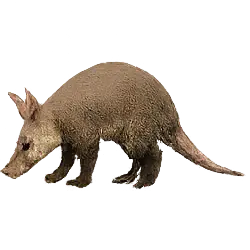
Aardvark
The aardvark is a nocturnal African mammal known for its long snout, strong digging…
Baca panduan spesies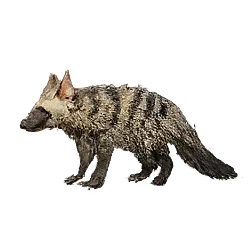
Aardwolf
The aardwolf is a small striped relative of hyenas that feeds mainly on termites rather…
Baca panduan spesies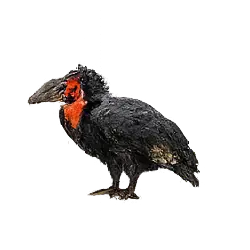
Abyssinian Ground Hornbill
Abyssinian Ground Hornbill is a bird known for bare red facial skin, huge…
Baca panduan spesiesLebih banyak hewan dengan kekuatan Endurance
Jelajahi semua hewan Endurance
Addax
Addax is a mammal known for pale desert coat, wide spreading hooves, and slow-energy…
Baca panduan spesies
Adelie Penguin
Adelie Penguin is a bird known for classic black-and-white body, ice-edge breeding…
Baca panduan spesies
African Wild Dog
The African wild dog is a highly social carnivore with distinctive patchy coat patterns…
Baca panduan spesiesBawa ensiklopedia ke dunia nyata
AnimalDex membantumu memindai hewan nyata, mengidentifikasi spesies, mengoleksi kartu, dan belajar dari alam di mana pun kamu berada.
Panduan blog terkait
Lanjutkan belajar lewat artikel praktis yang terhubung dengan spesies ini.
Polar Bear Symbolism: Arctic Adaptation, Ice Endurance & Solitary Strength
Explore polar bear symbolism through Arctic adaptation and ice-edge survival.
Baca artikel blogComparisons terkait
Lihat bagaimana spesies ini tampil di halaman perbandingan AnimalDex yang terstruktur.
Alligator Snapping Turtle vs Polar Bear: Which Animal Has the Edge?
Polar bear gets the overwhelming overall edge through sheer mass, strength, and the ability to dominate most contact scenarios. Alligator snapping turtle stays dangerous only in a narrow front-facing water-side bite window where its jaws can punish a mistake.
Baca halaman comparisonBear vs Tiger: Who Has the Edge in a Real Clash?
Tiger is the safer general answer in a one-on-one land clash when stealth, timing, and clean engagement matter. A very large bear represented here by the polar bear changes the problem through sheer mass and durability, especially in open, cold terrain.
Baca halaman comparisonCrocodile vs Polar Bear: Which Predator Has the Edge?
Polar bear gets the overall edge on land or partial land because it is larger, more mobile out of water, and better at sustained violent contact once the crocodile loses ambush shape. Crocodile becomes far more dangerous in water-linked ambush where the bite starts first and the bear does not control footing.
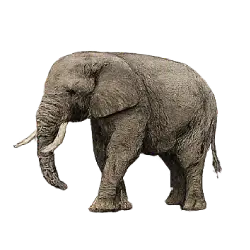
Baca halaman comparisonElephant vs Polar Bear: Which Giant Has the Edge?
Elephant gets the overwhelming overall edge through enormous size, reach, and space control. Polar bear remains dangerous because it is an apex predator with serious bite and commitment, but it is still far too outscaled in a clean direct clash.
Baca halaman comparisonMuncul di tier list
Lihat posisi spesies ini di halaman tier list AnimalDex yang dibangun dengan perbandingan terstruktur dan metodologi yang jelas.
#2 · Resilience
Most Resilient Animals in the World: Top 100 Tier List
Polar bear belongs near the top because surviving Arctic conditions demands enormous physiological resilience.
Baca tier list