
Panduan lapangan hewan
Praying Mantis
Identifikasi, habitat, rarity, perilaku, simbolisme, fakta, dan pelajaran praktis dari alam.
Praying mantis order. A broad mantis entry for captures where folded raptorial forelegs are clear but exact species is not proven.
Nama ilmiah
Mantodea
Kategori
Insect
Habitat
Grassland, shrubland, woodland edge, gardens, and flower-rich vegetation.
Rarity
Relatively common · 37/100
Native range
Mantises occur widely across warm and temperate regions worldwide.
Stealth
Lower signal. Increase leverage.
Apa yang diajarkannya
Do not confuse inactivity with passivity. Some of the sharpest systems spend most of their time waiting correctly.
Bukti alam
Raptorial forelegs, swiveling vision, and camouflage posture make mantises capture hardware optimized for stillness followed by abrupt violence. Mantises help regulate insect traffic by turning leaves, stems, and garden edges into ambush platforms. They are a case study in how posture can be part of the weapon system.
Gunakan untuk
Tangkapan Praying Mantis berperingkat
3 tangkapan berperingkat dalam grup ini dari kolektor AnimalDex.
the cat man
@testWild · Museum Energi Nusantara dan Batu Secret Zoo · Near Java, Batu, East Java, Indonesia
Skor 0
alby
@radinkaWild · Cijantung · Kecamatan Pasar Rebo · Daerah Khusus Ibukota Jakarta · Indonesia
Skor 0
alby
@radinkaWild · Cijantung · Kecamatan Pasar Rebo · Daerah Khusus Ibukota Jakarta · Indonesia
Skor 0
Mengapa Stealth?
Alasan di balik Prinsip Hewan ini dan biologi yang mendukungnya.
Praying mantises are ambush insects with rotating heads, grasping forelegs, and camouflage that lets them wait close to prey and pollinators.
Cara mengidentifikasi Praying Mantis
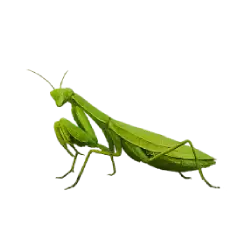
- Triangular mobile head with large prominent eyes
- Folded spined forelegs held in a grasping posture
- Slender body often matching green or brown vegetation
Kenapa Praying Mantis menarik
- Mantises make ambush timing and visual tracking unusually obvious in an insect.
- Their body posture is so distinctive that identification often starts with silhouette alone.
Habitat: Grassland, shrubland, woodland edge, gardens, and flower-rich vegetation.
Native range: Mantises occur widely across warm and temperate regions worldwide.
To find Praying Mantis in the wild, focus on the exact habitat patches that match its body design and daily behavior, not just the broad country where it exists. You usually do better by working one good piece of habitat inside mantises occur widely across warm and temperate regions worldwide. than by covering too much ground.
- Forest edge, canopy gaps, fruiting trees, or shaded trails where cover and food meet
- Open grassland edges, lightly wooded plains, or raised ground where you can scan long distances
- Protected habitat blocks within mantises occur widely across warm and temperate regions worldwide.
- Start early, pick one strong patch of habitat, and stay long enough for movement to return after you arrive.
- Work edges, clearings, fruiting trees, and stream crossings rather than walking randomly through dense cover.
- Move quietly, stop often, and give the habitat time to settle; many mammals and insects show themselves only after the first pause.
Praying Mantis eats the foods its body design and habitat make easiest to access. Diet can shift across seasons, life stages, and local competition.
- The most accessible prey or plant foods in its habitat
- Energy-rich foods that match its size and behavior
- Seasonal resources available in the local environment
A practical answer for Praying Mantis always depends on what food is actually available in grassland, shrubland, woodland edge, gardens, and flower-rich vegetation..
- Waits in still ambush posture rather than searching constantly
- Tracks movement with head rotation before striking
- Captures prey with lightning-fast foreleg extension
Praying Mantis most often symbolizes stealth in AnimalDex because its real survival behavior repeatedly shows this pattern.
Do not confuse inactivity with passivity. Some of the sharpest systems spend most of their time waiting correctly.
Raptorial forelegs, swiveling vision, and camouflage posture make mantises capture hardware optimized for stillness followed by abrupt violence. Mantises help regulate insect traffic by turning leaves, stems, and garden edges into ambush platforms. They are a case study in how posture can be part of the weapon system.
- Watch flower patches and shrubs without pulling stems or branches apart.
- Avoid staged handling that forces threat displays.
- Stick insect
- Katydid nymph
- Orchid mantis and other mantis relatives
1/3 XP toward Level 3
statsTitle
statsDescription
statsSourceLabel: statsSourceSpeciesProfile
dominanceStat
69
speedStat
45
sizeStat
36
intelligenceStat
36
rarityStat
37%
Total
223
Size scale
Medium
Uses the canonical size stat for consistent placement



US$153 – US$319
Perkiraan rentang nilai
Kepercayaan 60%
Perkiraan nilai AnimalDex dibuat dari stat spesies kanonik.
Not a marketplace listing.
Perkiraan nilai berdasarkan hewan yang teridentifikasi dan konteks harga yang tersedia. Bukan daftar marketplace.
Seberapa langka Praying Mantis?
Rarity: Relatively common (37/100)
Many mantis species are locally common in warm seasons where vegetation structure and insect prey remain abundant.
Systems Intelligence & Hidden Purpose
Sudut pandang systems biology untuk melihat bagaimana spesies ini dibangun, peran apa yang dijalankannya di ekosistem, dan pelajaran praktis apa yang bisa dipetik manusia.
System Role
The Patience Blade
Praying Mantis
Specialized Hardware
Raptorial forelegs, swiveling vision, and camouflage posture make mantises capture hardware optimized for stillness followed by abrupt violence.
Systems Script
Mantises help regulate insect traffic by turning leaves, stems, and garden edges into ambush platforms. They are a case study in how posture can be part of the weapon system.
Strategic Insight
Do not confuse inactivity with passivity. Some of the sharpest systems spend most of their time waiting correctly.
Public Animal Power
Explore this Animal Power
This is a public capture, so you can explore its Animal Power here. Personal Apex matches and challenges use your Wild Profile and animals you own.
Own an animal with this power to use it in Growth challenges.
Comparison hearts ready
3 of 3 hearts remaining. Each loss removes 1 heart.
✦ Available actions
Compare this public animal when your deck meets the current rules.
⚡CompareUnavailable›Hewan terkait
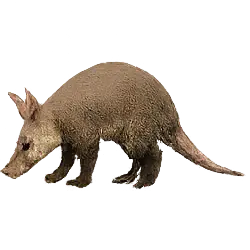
Aardvark
The aardvark is a nocturnal African mammal known for its long snout, strong digging…
Baca panduan spesies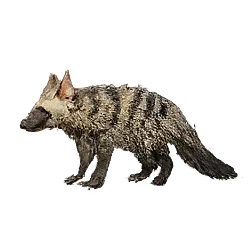
Aardwolf
The aardwolf is a small striped relative of hyenas that feeds mainly on termites rather…
Baca panduan spesies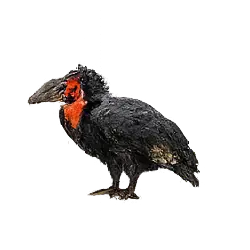
Abyssinian Ground Hornbill
Abyssinian Ground Hornbill is a bird known for bare red facial skin, huge…
Baca panduan spesiesLebih banyak hewan dengan kekuatan Patience
Jelajahi semua hewan Patience
Adelie Penguin
Adelie Penguin is a bird known for classic black-and-white body, ice-edge breeding…
Baca panduan spesies
African Bullfrog
African Bullfrog is a amphibian known for huge frog body, powerful bite, and burrowing…
Baca panduan spesies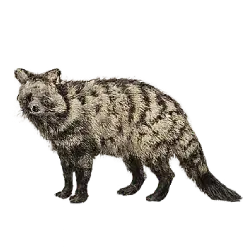
African Civet
African Civet is a mammal known for bold black-and-white pattern, night-active…
Baca panduan spesiesBawa ensiklopedia ke dunia nyata
AnimalDex membantumu memindai hewan nyata, mengidentifikasi spesies, mengoleksi kartu, dan belajar dari alam di mana pun kamu berada.
Muncul di tier list
Lihat posisi spesies ini di halaman tier list AnimalDex yang dibangun dengan perbandingan terstruktur dan metodologi yang jelas.
#5 · Camouflage
Animals with the Best Camouflage: Top 100 Tier List
Praying mantis stays high because posture and stillness make its camouflage functionally strong.
Baca tier list#9 · Stealth
Stealthiest Hunters in the Animal World: Top 100 Tier List
Praying mantis belongs because stillness plus perfect short-range timing can be as important as body power.
Baca tier list