
Panduan lapangan hewan
Orchid Mantis
Identifikasi, habitat, rarity, perilaku, simbolisme, fakta, dan pelajaran praktis dari alam.
The Flower Trick Hunter. The Orchid Mantis uses petal-like legs and pale colors to look like a blossom instead of a bug. It teaches us that looking harmless can sometimes be a brilliant strategy.
Nama ilmiah
Hymenopus coronatus
Kategori
Insect
Habitat
Humid tropical forest and flowering understory vegetation.
Rarity
Uncommon · 66/100
Native range
Southeast Asia including Malaysia, Indonesia, and surrounding regions.
Flower Deception
Bloom, then strike.
Flower-Mimic Ambush
Apa yang diajarkannya
Looking harmless can become a strategy.
Coba
A tense negotiation softens when the first move looks harmless, not aggressive.
Bukti alam
Orchid mantises resemble flowers and use that visual deception to attract or surprise prey.
Gunakan untuk
Tangkapan Orchid Mantis berperingkat
1 tangkapan berperingkat dalam grup ini dari kolektor AnimalDex.
Lenny
@lendawgZoo · Puffy Cotton Candy Jakarta Aquarium · Near SoHo Podomoro City, West Jakarta, Indonesia
Skor 0
Mengapa Flower Deception?
Alasan di balik Prinsip Hewan ini dan biologi yang mendukungnya.
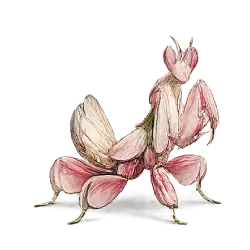
The orchid mantis is a Southeast Asian ambush predator whose petal-like body form helps it blend into flowers while waiting for pollinating insects.
Cara mengidentifikasi Orchid Mantis
- White to pink body with flattened petal-like legs
- Compact mantis head and grasping forelegs hidden within floral posture
- Usually rests among blossoms or pale leaves
Kenapa Orchid Mantis menarik
- The orchid mantis is one of the best examples of aggressive camouflage in insects.
- Its design is so unusual that it often changes how people think about insect predation.
Habitat: Humid tropical forest and flowering understory vegetation.
Native range: Southeast Asia including Malaysia, Indonesia, and surrounding regions.
nativeRangeCardTitle
nativeRangeCardDescription
Humid tropical forest and flowering understory vegetation.
To find Orchid Mantis in the wild, focus on the exact habitat patches that match its body design and daily behavior, not just the broad country where it exists. You usually do better by working one good piece of habitat inside southeast Asia including Malaysia, Indonesia, and surrounding regions. than by covering too much ground.
- Forest edge, canopy gaps, fruiting trees, or shaded trails where cover and food meet
- Protected habitat blocks within southeast Asia including Malaysia, Indonesia, and surrounding regions.
- Start early, pick one strong patch of habitat, and stay long enough for movement to return after you arrive.
- Work edges, clearings, fruiting trees, and stream crossings rather than walking randomly through dense cover.
- Move quietly, stop often, and give the habitat time to settle; many mammals and insects show themselves only after the first pause.
Flies, bees, butterflies, moths, and other insects support Flower Deception because the mantis survives by turning floral appearance into hunting access.
Birds, lizards, spiders, larger insects, and parasitic wasps can threaten them. Disguise helps reduce detection while still allowing ambush.
Orchid Mantises are mostly diurnal, waiting on vegetation for passing prey. Their rhythm is pose, blend, hold still, and strike only when prey enters reach.
Orchid Mantises live relatively short insect lives, often months rather than years. Flower Deception matters because the narrow window of adulthood rewards precise display and feeding.
Females lay foamy egg cases called oothecae on sheltered surfaces, from which many young hatch. Offspring fit the principle because tiny mantises must immediately use shape, stillness, and timing.
Females are much larger and more flower-like than males, while males are smaller and more mobile. The sex difference sharpens the principle of form meeting role.
- Ambushes pollinators and other insects from flower-like perches
- Uses body shape as visual deception rather than just background matching
- Relies on stillness and short-range strike speed
Orchid Mantis most often symbolizes flower deception in AnimalDex because its real survival behavior repeatedly shows this pattern.
Looking harmless can become a strategy.
Orchid mantises resemble flowers and use that visual deception to attract or surprise prey.
- Inspect flowers carefully without pulling or shaking stems.
- Avoid handling because posture damage undermines camouflage and survival.
- Flower crab spider
- Other mantis nymphs
- Petal clusters with shadow contrast
0/1 XP toward Level 2
statsTitle
statsDescription
statsSourceLabel: statsSourceSpeciesProfile
dominanceStat
42
speedStat
25
sizeStat
1
intelligenceStat
24
rarityStat
66%
Total
158
Size scale
Microscopic edge
Uses the canonical size stat for consistent placement




US$105 – US$219
Perkiraan rentang nilai
Kepercayaan 69%
Perkiraan nilai AnimalDex dibuat dari stat spesies kanonik.
Not a marketplace listing.
Perkiraan nilai berdasarkan hewan yang teridentifikasi dan konteks harga yang tersedia. Bukan daftar marketplace.
Seberapa langka Orchid Mantis?
Rarity: Uncommon (66/100)
The species is not widespread in open habitat and depends on humid vegetation structure where camouflage works well.
Systems Intelligence & Hidden Purpose
Sudut pandang systems biology untuk melihat bagaimana spesies ini dibangun, peran apa yang dijalankannya di ekosistem, dan pelajaran praktis apa yang bisa dipetik manusia.
System Role
The Floral Ambush Illusion
Orchid Mantis
Specialized Hardware
Petal-like limbs, color mimicry, and still hunting posture make orchid mantises deception hardware tuned for pollinator-rich environments.
Systems Script
This mantis exploits the visual trust insects place in flowers, converting attraction into predation. It is an elegant reminder that signal systems can always be gamed by a skilled mimic.
Strategic Insight
If attention flows predictably, someone will learn to intercept it. Design with signal security in mind.
Public Animal Power
Explore this Animal Power
This is a public capture, so you can explore its Animal Power here. Personal Apex matches and challenges use your Wild Profile and animals you own.
Own an animal with this power to use it in Growth challenges.
Comparison hearts ready
3 of 3 hearts remaining. Each loss removes 1 heart.
✦ Available actions
Compare this public animal when your deck meets the current rules.
⚡CompareUnavailable›Hewan terkait
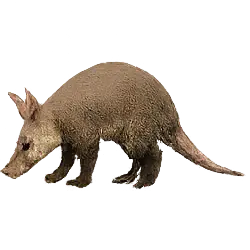
Aardvark
The aardvark is a nocturnal African mammal known for its long snout, strong digging…
Baca panduan spesies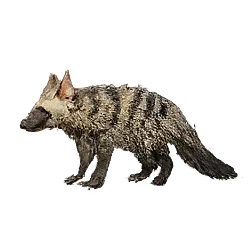
Aardwolf
The aardwolf is a small striped relative of hyenas that feeds mainly on termites rather…
Baca panduan spesies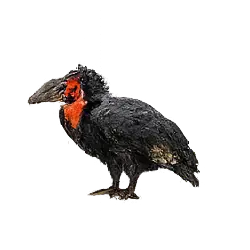
Abyssinian Ground Hornbill
Abyssinian Ground Hornbill is a bird known for bare red facial skin, huge…
Baca panduan spesiesLebih banyak hewan dengan kekuatan Disguise
Jelajahi semua hewan Disguise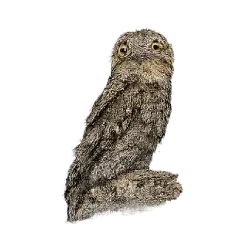
Common Potoo
Common Potoo is a bird known for branch-stump camouflage, giant night-adapted eyes, and…
Baca panduan spesies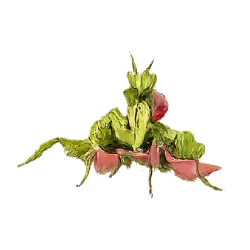
Devil's Flower Mantis
Devil's Flower Mantis is a insect known for petal-like lobed body, pink-and-white…
Baca panduan spesies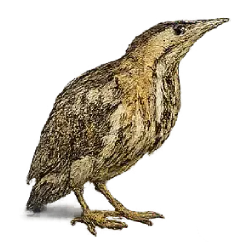
Eurasian Bittern
Eurasian Bittern is a bird known for reed-striped camouflage body, upward freezing…
Baca panduan spesiesBawa ensiklopedia ke dunia nyata
AnimalDex membantumu memindai hewan nyata, mengidentifikasi spesies, mengoleksi kartu, dan belajar dari alam di mana pun kamu berada.
Muncul di tier list
Lihat posisi spesies ini di halaman tier list AnimalDex yang dibangun dengan perbandingan terstruktur dan metodologi yang jelas.
#4 · Camouflage
Animals with the Best Camouflage: Top 100 Tier List
Orchid mantis turns disguise into a hunting strategy, not just passive invisibility.
Baca tier list#8 · Stealth
Stealthiest Hunters in the Animal World: Top 100 Tier List
Orchid mantis turns visual deception into one of the most elegant stealth systems in the insect world.
Baca tier list