
Panduan lapangan hewan
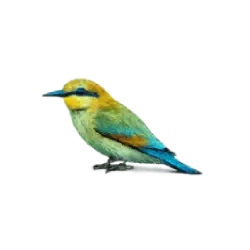
Rainbow Bee-eater
Identifikasi, habitat, rarity, perilaku, simbolisme, fakta, dan pelajaran praktis dari alam.
The Rainbow Bug Catcher. The Rainbow Bee-eater uses a slim curved bill and quick wings to snatch flying insects right out of the air. It shows us that beauty and skill can work together beautifully.
Kartu AnimalDex
Buka kartu hewan ini
Pindai atau tangkap hewan ini dengan AnimalDex untuk membuka kartu koleksi dan menambahkannya ke koleksi satwa liarmu.
Dapatkan AnimalDexNama ilmiah
Merops ornatus
Kategori
Bird
Habitat
Open woodland, farmland, riverbanks, grassland, and sandy cuttings suitable for burrows.
Rarity
Relatively common · 35/100
Native range
Australia and parts of Indonesia and New Guinea with migratory movement in some populations.
Refinement
Remove the sting.
Bee-Safe Aerial Handling
Apa yang diajarkannya
Skill is not just catching the prize. It is knowing how to remove the sting.
Coba
A sales pitch gets better after the confusing part is removed.
Bukti alam
Rainbow Bee-eaters catch flying insects, including bees and wasps, and often beat or rub prey against perches to remove venomous stings before eating.
Gunakan untuk
Tangkapan Rainbow Bee-eater berperingkat
Belum ada tangkapan komunitas berperingkat untuk spesies ini.
Mengapa Refinement?
Alasan di balik Prinsip Hewan ini dan biologi yang mendukungnya.
The rainbow bee-eater is a slim brightly colored aerial insect hunter that catches stinging insects on the wing and nests in burrows.
Cara mengidentifikasi Rainbow Bee-eater
- Slender bird with green, blue, chestnut, and yellow plumage
- Black eye stripe and slightly downcurved bill
- Long central tail streamers and elegant swooping flight
Kenapa Rainbow Bee-eater menarik
- Bee-eaters show how aerial skill and prey handling can work together in a very visible way.
- Their color and behavior make them rewarding birds for beginners and experts alike.
Habitat: Open woodland, farmland, riverbanks, grassland, and sandy cuttings suitable for burrows.
Native range: Australia and parts of Indonesia and New Guinea with migratory movement in some populations.
nativeRangeCardTitle
nativeRangeCardDescription
Open woodland, farmland, riverbanks, grassland, and sandy cuttings suitable for burrows.
To find Rainbow Bee-eater in the wild, focus on the exact habitat patches that match its body design and daily behavior, not just the broad country where it exists. You usually do better by working one good piece of habitat inside australia and parts of Indonesia and New Guinea with migratory movement in some populations. than by covering too much ground.
- Quiet marsh edges, reedbeds, river bends, or shallow wetland margins
- Forest edge, canopy gaps, fruiting trees, or shaded trails where cover and food meet
- Open grassland edges, lightly wooded plains, or raised ground where you can scan long distances
- First light and late afternoon are often best, when animals come out to feed along the edge of water.
- Work edges, clearings, fruiting trees, and stream crossings rather than walking randomly through dense cover.
- Slow down and scan shapes, outlines, and eye-level silhouettes; many good sightings come from noticing what does not move.
Bees, wasps, dragonflies, beetles, flies, and other flying insects support Refinement because prey must often be handled carefully after capture.
Rainbow Bee-eaters are diurnal, hunting insects in bright air and returning to perches to process prey. Their rhythm turns daylight into skilled handling.
Rainbow Bee-eaters can live several years, with survival depending on migration, insect supply, and safe nesting banks. Refinement improves as the bird repeats catch, handle, and swallow.
Females lay eggs inside burrow nests, and pairs may receive help from other birds in some groups. Offspring are raised in the protected tunnel before entering the risky air.
Males and females look similar, though males may have slightly longer tail streamers in some cases. The important difference is not dramatic color but shared handling skill.
- Catches bees, wasps, and dragonflies on the wing
- Beats stinging prey against perches before swallowing
- Nests in tunnels dug into sandy banks or flat ground
Rainbow Bee-eater most often symbolizes refinement in AnimalDex because its real survival behavior repeatedly shows this pattern.
Skill is not just catching the prize. It is knowing how to remove the sting.
Rainbow Bee-eaters catch flying insects, including bees and wasps, and often beat or rub prey against perches to remove venomous stings before eating.
- Stay well clear of nesting banks during breeding season.
- Watch perch lines and open airspace rather than chasing active flight loops.
- Small kingfisher
- Swallow with color blur
- Other bee-eater species
statsTitle
statsDescription
statsSourceLabel: statsSourceSpeciesProfile
dominanceStat
38
speedStat
62
sizeStat
12
intelligenceStat
42
rarityStat
35%
Total
189
Size scale
Small
Uses the canonical size stat for consistent placement






US$104 – US$216
Perkiraan rentang nilai
Kepercayaan 69%
Perkiraan nilai AnimalDex dibuat dari stat spesies kanonik.
Not a marketplace listing.
Perkiraan nilai berdasarkan hewan yang teridentifikasi dan konteks harga yang tersedia. Bukan daftar marketplace.
Seberapa langka Rainbow Bee-eater?
Rarity: Relatively common (35/100)
The species is often common in suitable open habitats with aerial insects and soft nesting banks.
Systems Intelligence & Hidden Purpose
Sudut pandang systems biology untuk melihat bagaimana spesies ini dibangun, peran apa yang dijalankannya di ekosistem, dan pelajaran praktis apa yang bisa dipetik manusia.
System Role
The Aerial Stinger Filter
Rainbow Bee-eater
Specialized Hardware
Fine flight control, long bill, and prey-handling precision make bee-eaters specialized hardware for catching and disarming flying insects.
Systems Script
Bee-eaters reduce aerial insect abundance while converting open sky and sandy nest banks into a tightly linked feeding-breeding system. They make niche precision look easy.
Strategic Insight
Specialization pays when the handling protocol is as important as the catch.
Public Animal Power
Explore this Animal Power
This is a public capture, so you can explore its Animal Power here. Personal Apex matches and challenges use your Wild Profile and animals you own.
Own an animal with this power to use it in Growth challenges.
Hewan terkait
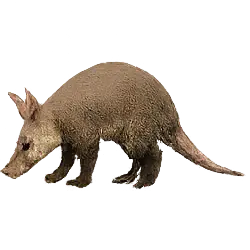
Aardvark
The aardvark is a nocturnal African mammal known for its long snout, strong digging…
Baca panduan spesies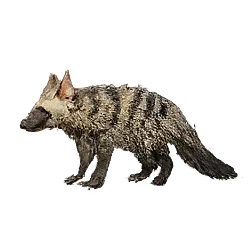
Aardwolf
The aardwolf is a small striped relative of hyenas that feeds mainly on termites rather…
Baca panduan spesies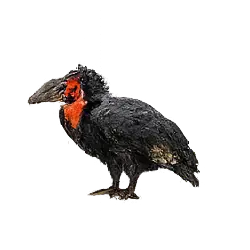
Abyssinian Ground Hornbill
Abyssinian Ground Hornbill is a bird known for bare red facial skin, huge…
Baca panduan spesiesLebih banyak hewan dengan kekuatan Care
Jelajahi semua hewan Care
Bawa ensiklopedia ke dunia nyata
AnimalDex membantumu memindai hewan nyata, mengidentifikasi spesies, mengoleksi kartu, dan belajar dari alam di mana pun kamu berada.
Comparisons terkait
Lihat bagaimana spesies ini tampil di halaman perbandingan AnimalDex yang terstruktur.
Rainbow Bee-Eater vs Barn Swallow Speed: Which Aerial Insect Hunter Is Faster?
Barn swallow usually gets the cleaner speed verdict in sustained fast flight. Rainbow bee-eater stays more specialized for agile insect intercepts and short aerial adjustments around feeding space.
Baca halaman comparisonRuby-Throated Hummingbird vs Rainbow Bee-Eater: Which Bird Is More Agile?
Hummingbird wins the pure agility question because hovering, reverse flight, and tiny-space control are its entire design brief. Bee-eater is still the better fast intercept bird over slightly broader feeding airspace.
Baca halaman comparison