
Panduan lapangan hewan
Raven
Identifikasi, habitat, rarity, perilaku, simbolisme, fakta, dan pelajaran praktis dari alam.
The Clever Problem Solver. The Common Raven uses a strong bill, broad wings, and a curious mind to test new ways of finding food. It shows us that trying a new idea can open doors when the first plan fails.

Kartu AnimalDex
Buka kartu hewan ini
Pindai atau tangkap hewan ini dengan AnimalDex untuk membuka kartu koleksi dan menambahkannya ke koleksi satwa liarmu.
Dapatkan AnimalDexNama ilmiah
Corvus corax
Kategori
Bird
Habitat
mountain, moor, cliff, forest edge, and open country
Rarity
Relatively common · 25/100
Native range
Northern Hemisphere
Pattern Messenger
Speak from the shadow.
Remember the pattern. Speak from the shadow.
Apa yang diajarkannya
Intelligence becomes power when memory, timing, and communication meet.
Bukti alam
Ravens use problem-solving, social memory, vocal mimicry, caching, carrion tracking, and bold black presence to operate as intelligent scavengers and symbolic messengers.
Gunakan untuk
Tangkapan Raven berperingkat
Belum ada tangkapan komunitas berperingkat untuk spesies ini.
Mengapa Pattern Messenger?
Alasan di balik Prinsip Hewan ini dan biologi yang mendukungnya.
Raven is a bird known for heavy black bill, wedge-shaped tail, and deep resonant calls.
Cara mengidentifikasi Raven
- heavy black bill
- wedge-shaped tail
- deep resonant calls
- Often associated with mountain, moor, cliff, forest edge, and open country
Kenapa Raven menarik
- Raven is a useful example of how anatomy and habitat fit together as one survival system.
- Its shape, movement style, and food strategy make it easy to compare with related animals.
- This species turns one page into a lesson about adaptation, ecosystem role, and identification.
Habitat: mountain, moor, cliff, forest edge, and open country
Native range: Northern Hemisphere
To find Raven in the wild, focus on the exact habitat patches that match its body design and daily behavior, not just the broad country where it exists. You usually do better by working one good piece of habitat inside northern Hemisphere than by covering too much ground.
- Forest edge, canopy gaps, fruiting trees, or shaded trails where cover and food meet
- Rocky slopes, ridge lines, cliff ledges, or open mountain meadows with a wide view
- Open grassland edges, lightly wooded plains, or raised ground where you can scan long distances
- Start early, pick one strong patch of habitat, and stay long enough for movement to return after you arrive.
- Work edges, clearings, fruiting trees, and stream crossings rather than walking randomly through dense cover.
- Use sound, flight lines, and perch trees as clues; birds often reveal themselves before they sit in the open.
Raven is an omnivore that eats a wide mix of animal and plant food. Its success comes partly from being able to switch food sources quickly.
- Insects and other invertebrates
- Seeds, fruit, nuts, and grain
- Eggs, scraps, or carrion when available
Urban access, season, and local competition all shape what this bird eats on a given day.
- Raven adjusts movement and feeding to match light, temperature, and food access in its habitat.
- Body design, timing, and shelter choices all help this species stay effective in the wild.
- Patient observation usually reveals more behavior than close approach or fast movement.
Raven most often symbolizes pattern messenger in AnimalDex because its real survival behavior repeatedly shows this pattern.
Intelligence becomes power when memory, timing, and communication meet.
Ravens use problem-solving, social memory, vocal mimicry, caching, carrion tracking, and bold black presence to operate as intelligent scavengers and symbolic messengers.
- Keep distance and let the animal choose the space.
- Avoid blocking movement routes, nesting areas, or feeding behavior.
- Use optics, patience, and quiet observation instead of crowding for a closer view.
- Regional relatives may look similar at a distance.
- Juveniles, adults, and seasonal forms can differ in color or size.
- Light, angle, and habitat context can change how field marks appear.
statsTitle
statsDescription
statsSourceLabel: statsSourceSpeciesProfile
dominanceStat
48
speedStat
55
sizeStat
22
intelligenceStat
92
rarityStat
25%
Total
242
Size scale
Small
Uses the canonical size stat for consistent placement



US$131 – US$271
Perkiraan rentang nilai
Kepercayaan 60%
Perkiraan nilai AnimalDex dibuat dari stat spesies kanonik.
Not a marketplace listing.
Perkiraan nilai berdasarkan hewan yang teridentifikasi dan konteks harga yang tersedia. Bukan daftar marketplace.
Seberapa langka Raven?
Rarity: Relatively common (25/100)
Raven remains fairly widespread where mountain, moor, cliff, forest edge, and open country is still available.
Public Animal Power
Explore this Animal Power
This is a public capture, so you can explore its Animal Power here. Personal Apex matches and challenges use your Wild Profile and animals you own.
Own an animal with this power to use it in Growth challenges.
Hewan terkait
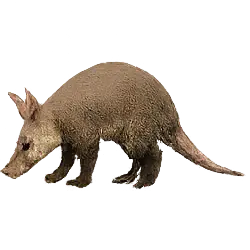
Aardvark
The aardvark is a nocturnal African mammal known for its long snout, strong digging…
Baca panduan spesies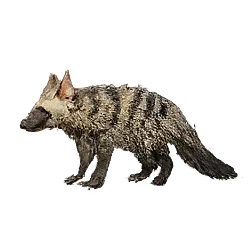
Aardwolf
The aardwolf is a small striped relative of hyenas that feeds mainly on termites rather…
Baca panduan spesies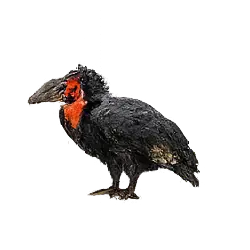
Abyssinian Ground Hornbill
Abyssinian Ground Hornbill is a bird known for bare red facial skin, huge…
Baca panduan spesiesLebih banyak hewan dengan kekuatan Intelligence
Jelajahi semua hewan Intelligence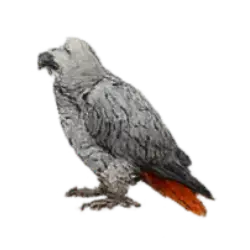

Bawa ensiklopedia ke dunia nyata
AnimalDex membantumu memindai hewan nyata, mengidentifikasi spesies, mengoleksi kartu, dan belajar dari alam di mana pun kamu berada.
Panduan blog terkait
Lanjutkan belajar lewat artikel praktis yang terhubung dengan spesies ini.
Raven Symbolism: Pattern Memory, Shadow Messenger & Trickster Intelligence
Explore raven symbolism through problem-solving, vocal mimicry, caching memory, and the archetype of speaking from the shadow with pattern intelligence.
Baca artikel blogComparisons terkait
Lihat bagaimana spesies ini tampil di halaman perbandingan AnimalDex yang terstruktur.
Eagle vs Raven: Which Bird Has the Better Edge?
Eagle is the stronger direct-power answer by a huge margin. Raven stays relevant through intelligence, harassment, and aerial boldness, not through matching eagle force.
Baca halaman comparisonRaven vs Crow Intelligence: Which Bird Is Smarter?
There is no clean knockout winner. Ravens often get the edge in complex solo problem solving and object play, while crows often shine in urban adaptation, social flexibility, and tool-linked reputation.
Baca halaman comparisonMuncul di tier list
Lihat posisi spesies ini di halaman tier list AnimalDex yang dibangun dengan perbandingan terstruktur dan metodologi yang jelas.
#5 · Intelligence
Smartest Animals in the World: Top 250 Tier List
Ravens repeatedly appear in advanced puzzle and planning discussions for a reason.
Baca tier list