
Panduan lapangan hewan
Chimpanzee
Identifikasi, habitat, rarity, perilaku, simbolisme, fakta, dan pelajaran praktis dari alam.
The Tool-Hand Forest Thinker. The Chimpanzee uses clever hands, sharp eyes, and a social mind to solve problems, share, and build tools in the forest. It teaches us that thinking together can change everything.

Kartu AnimalDex
Buka kartu hewan ini
Pindai atau tangkap hewan ini dengan AnimalDex untuk membuka kartu koleksi dan menambahkannya ke koleksi satwa liarmu.
Dapatkan AnimalDexNama ilmiah
Pan troglodytes
Kategori
Primate
Habitat
Rainforest, woodland, forest edge, and mixed savannah mosaics.
Rarity
Rare · 72/100
Native range
West and Central Africa across fragmented tropical forest and woodland regions.
Tool Culture
Teach the tool.
Social Tool Use
Apa yang diajarkannya
A mind becomes culture when one hand teaches another what works.
Coba
Your team needs a system, so one person teaches the method to everyone.
Bukti alam
Chimpanzees use tools such as sticks for termite fishing and stones for cracking nuts, with behaviors learned socially across groups and generations.
Gunakan untuk
Tangkapan Chimpanzee berperingkat
Belum ada tangkapan komunitas berperingkat untuk spesies ini.
Mengapa Tool Culture?
Alasan di balik Prinsip Hewan ini dan biologi yang mendukungnya.
The chimpanzee is an intelligent African ape famous for tool use, social politics, and expressive communication.
Cara mengidentifikasi Chimpanzee
- Long arms and flexible hands
- Dark hair with bare face and ears
- Moves by climbing, knuckle-walking, and short bipedal steps
- Highly social groups with frequent vocal and gesture signals
Kenapa Chimpanzee menarik
- Chimpanzee is a useful example of how anatomy and habitat fit together as one survival system.
- Its shape, movement style, and food strategy make it easy to compare with related animals.
- This species turns one page into a lesson about adaptation, ecosystem role, and identification.
Habitat: Rainforest, woodland, forest edge, and mixed savannah mosaics.
Native range: West and Central Africa across fragmented tropical forest and woodland regions.
nativeRangeCardTitle
nativeRangeCardDescription
Rainforest, woodland, forest edge, and mixed savannah mosaics.
To find Chimpanzee in the wild, focus on the exact habitat patches that match its body design and daily behavior, not just the broad country where it exists. You usually do better by working one good piece of habitat inside west and Central Africa across fragmented tropical forest and woodland regions. than by covering too much ground.
- Forest edge, canopy gaps, fruiting trees, or shaded trails where cover and food meet
- Open grassland edges, lightly wooded plains, or raised ground where you can scan long distances
- Protected habitat blocks within west and Central Africa across fragmented tropical forest and woodland regions.
- Start early, pick one strong patch of habitat, and stay long enough for movement to return after you arrive.
- Work edges, clearings, fruiting trees, and stream crossings rather than walking randomly through dense cover.
- Slow down and scan shapes, outlines, and eye-level silhouettes; many good sightings come from noticing what does not move.
Fruit, leaves, seeds, termites, ants, meat, and nuts support Tool Culture because varied problems reward learned techniques and shared solutions.
Leopards, humans, disease, habitat loss, and conflict threaten chimpanzees, making group knowledge and social warning systems important.
Chimpanzees are diurnal, feeding and traveling by day before building tree nests each night with learned forest skill.
Chimpanzees can live for several decades, giving tool habits, social bonds, and local traditions time to pass between generations.
Females usually raise a single infant with long maternal care, allowing young to watch, practice, and inherit Tool Culture slowly.
Males are larger and often more involved in dominance politics, while females carry long teaching roles through infant care and foraging.
- Chimpanzee adjusts movement and feeding to match light, temperature, and food access in its habitat.
- Body design, timing, and shelter choices all help this species stay effective in the wild.
- Patient observation usually reveals more behavior than close approach or fast movement.
Chimpanzee most often symbolizes tool culture in AnimalDex because its real survival behavior repeatedly shows this pattern.
A mind becomes culture when one hand teaches another what works.
Chimpanzees use tools such as sticks for termite fishing and stones for cracking nuts, with behaviors learned socially across groups and generations.
- Keep distance and let the animal choose the space.
- Avoid blocking movement routes, nesting areas, or feeding behavior.
- Use optics, patience, and quiet observation instead of crowding for a closer view.
- Regional relatives may look similar at a distance.
- Juveniles, adults, and seasonal forms can differ in color or size.
- Light, angle, and habitat context can change how field marks appear.
statsTitle
statsDescription
statsSourceLabel: statsSourceSpeciesProfile
dominanceStat
72
speedStat
55
sizeStat
48
intelligenceStat
96
rarityStat
72%
Total
343
Size scale
Large
Uses the canonical size stat for consistent placement



US$90.000 – US$520.000
Perkiraan rentang nilai
Kepercayaan 63%
Perkiraan nilai AnimalDex menggunakan baseline stewardship global untuk spesies ini.
Not a marketplace listing.
Perkiraan nilai berdasarkan hewan yang teridentifikasi dan konteks harga yang tersedia. Bukan daftar marketplace.
Seberapa langka Chimpanzee?
Rarity: Rare (72/100)
Habitat fragmentation, hunting, and disease have placed strong pressure on many chimpanzee populations.
Systems Intelligence & Hidden Purpose
Sudut pandang systems biology untuk melihat bagaimana spesies ini dibangun, peran apa yang dijalankannya di ekosistem, dan pelajaran praktis apa yang bisa dipetik manusia.
System Role
The Tool-Learning Social Engine
Chimpanzee
Specialized Hardware
Long arms and flexible hands, dark hair with bare face and ears, and moves by climbing, knuckle-walking, and short bipedal steps give the Chimpanzee a body plan tuned for its niche.
Systems Script
Chimpanzees operate in rainforest, woodland, forest edge, and mixed savannah mosaics. Their design helps them match food access, shelter, and timing inside that environment.
Strategic Insight
A flexible mind becomes even more powerful when knowledge can spread through a whole group.
Public Animal Power
Explore this Animal Power
This is a public capture, so you can explore its Animal Power here. Personal Apex matches and challenges use your Wild Profile and animals you own.
Own an animal with this power to use it in Growth challenges.
Hewan terkait
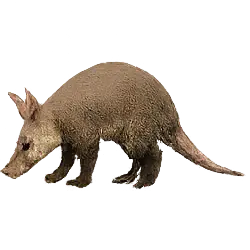
Aardvark
The aardvark is a nocturnal African mammal known for its long snout, strong digging…
Baca panduan spesies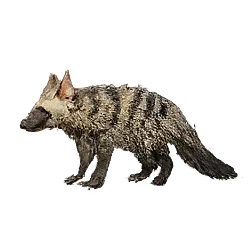
Aardwolf
The aardwolf is a small striped relative of hyenas that feeds mainly on termites rather…
Baca panduan spesies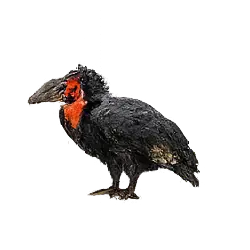
Abyssinian Ground Hornbill
Abyssinian Ground Hornbill is a bird known for bare red facial skin, huge…
Baca panduan spesiesLebih banyak hewan dengan kekuatan Intelligence
Jelajahi semua hewan Intelligence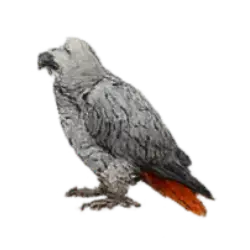
African Grey Parrot
The African grey parrot is a highly intelligent parrot known for gray plumage, red…
Baca panduan spesies
American Crow
American Crow carries Face Memory through specific body design and repeated survival…
Baca panduan spesies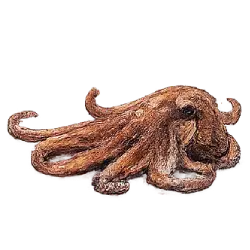
Giant Pacific Octopus
Giant Pacific Octopus is a marine animal known for huge arm span, shape-shifting…
Baca panduan spesiesBawa ensiklopedia ke dunia nyata
AnimalDex membantumu memindai hewan nyata, mengidentifikasi spesies, mengoleksi kartu, dan belajar dari alam di mana pun kamu berada.
Comparisons terkait
Lihat bagaimana spesies ini tampil di halaman perbandingan AnimalDex yang terstruktur.
Bonobo vs Chimpanzee Intelligence: Which Ape Thinks Better?
Chimpanzee often gets the edge in tool-use intensity and aggressive problem solving, while bonobo is stronger in social regulation, tolerance, and cooperation. The real answer depends on what kind of intelligence the task rewards.
Baca halaman comparisonChimpanzee vs Orangutan: Which Ape Has the Better Edge?
Orangutan gets the stronger pure-strength verdict, while chimpanzee gets the faster, more aggressive, and more socially volatile profile.
Baca halaman comparisonGorilla vs Chimpanzee: Which Primate Is Stronger?
Gorilla is the stronger overall answer by a wide margin. Chimpanzee stays dangerous through speed, social aggression, and unpredictability, but it does not match gorilla scale.
Baca halaman comparisonMuncul di tier list
Lihat posisi spesies ini di halaman tier list AnimalDex yang dibangun dengan perbandingan terstruktur dan metodologi yang jelas.
#2 · Intelligence
Smartest Animals in the World: Top 250 Tier List
Chimpanzees stay near the top because they pair hard-edged manipulation with sophisticated group behavior.
Baca tier list#3 · Reproduction
Animals with the Highest Mating Drive: Top 100 Tier List
Chimpanzees rank highly because mating behavior is frequent, strategic, and deeply tied to social politics.
Baca tier list#4 · Communication
Most Communicative Animals in the Wild: Top 100 Tier List
Chimpanzee ranks highly because social life depends on a layered mix of vocalization, posture, and strategic signaling.
Baca tier list