
Panduan lapangan hewan
Ruby-throated Hummingbird
Identifikasi, habitat, rarity, perilaku, simbolisme, fakta, dan pelajaran praktis dari alam.
The Jewel Hover Hero. The Ruby-throated Hummingbird uses a long tongue and buzzing wings to hover in front of flowers and sip sweet nectar. It shows us that tiny bodies can do amazing things with careful control.
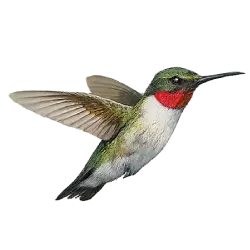
Kartu AnimalDex
Buka kartu hewan ini
Pindai atau tangkap hewan ini dengan AnimalDex untuk membuka kartu koleksi dan menambahkannya ke koleksi satwa liarmu.
Dapatkan AnimalDexNama ilmiah
Archilochus colubris
Kategori
Bird
Habitat
Woodland edge, gardens, meadows, and forest openings with reliable flowering plants.
Rarity
Relatively common · 35/100
Native range
Eastern North America with seasonal migration to Central America.
Control
Hold the hover.
Ruby-Throat Hover Feeding
Apa yang diajarkannya
Great power can live inside a body that holds itself exactly where it must be.
Coba
A busy afternoon settles when one person quietly holds the plan steady.
Bukti alam
Ruby-throated Hummingbirds hover with rapid wingbeats while feeding on nectar using long bills and extendable tongues. They also make long seasonal migrations despite their tiny size.
Gunakan untuk
Tangkapan Ruby-throated Hummingbird berperingkat
Belum ada tangkapan komunitas berperingkat untuk spesies ini.
Mengapa Control?
Alasan di balik Prinsip Hewan ini dan biologi yang mendukungnya.
The ruby-throated hummingbird is a tiny nectar-feeding bird built for hovering flight, rapid metabolism, and precise flower tracking.
Cara mengidentifikasi Ruby-throated Hummingbird
- Very small body with long straight bill
- Metallic green back and pale underparts
- Adult male shows iridescent red throat in good light
Kenapa Ruby-throated Hummingbird menarik
- Hummingbirds make high-metabolism flight and energy management unusually visible.
- They are excellent introductions to pollination-linked bird behavior.
Habitat: Woodland edge, gardens, meadows, and forest openings with reliable flowering plants.
Native range: Eastern North America with seasonal migration to Central America.
nativeRangeCardTitle
nativeRangeCardDescription
Woodland edge, gardens, meadows, and forest openings with reliable flowering plants.
To find Ruby-throated Hummingbird in the wild, focus on the exact habitat patches that match its body design and daily behavior, not just the broad country where it exists. You usually do better by working one good piece of habitat inside eastern North America with seasonal migration to Central America. than by covering too much ground.
- Forest edge, canopy gaps, fruiting trees, or shaded trails where cover and food meet
- Open grassland edges, lightly wooded plains, or raised ground where you can scan long distances
- Protected habitat blocks within eastern North America with seasonal migration to Central America.
- Start early, pick one strong patch of habitat, and stay long enough for movement to return after you arrive.
- Work edges, clearings, fruiting trees, and stream crossings rather than walking randomly through dense cover.
- Use sound, flight lines, and perch trees as clues; birds often reveal themselves before they sit in the open.
Nectar, small insects, spiders, and tree sap support the Control lesson because high energy demands require precise feeding and efficient fuel management.
Cats, hawks, shrikes, snakes, praying mantises, spiders, and larger insects can threaten hummingbirds. Speed, agility, and tiny maneuvering help protect them.
Ruby-throated Hummingbirds are diurnal and may enter nighttime torpor to save energy. Their rhythm balances explosive daytime control with deep energy conservation.
Ruby-throated Hummingbirds may live several years, though early survival is difficult. Control is a long-term energy discipline: feed precisely, conserve deeply, and migrate at tiny scale.
Females build tiny cup nests and raise the young without male care. Offspring make the lesson precise because the same small body that migrates must also build, brood, and feed delicate chicks.
Sex difference is clear in adults: males have the ruby throat, while females lack the bright gorget. The Control lesson is shared, but male display and female nesting roles differ sharply.
- Hovers precisely while feeding on nectar
- Defends productive flower patches or feeders aggressively
- Takes small insects as protein despite nectar specialization
Ruby-throated Hummingbird most often symbolizes control in AnimalDex because its real survival behavior repeatedly shows this pattern.
Great power can live inside a body that holds itself exactly where it must be.
Ruby-throated Hummingbirds hover with rapid wingbeats while feeding on nectar using long bills and extendable tongues. They also make long seasonal migrations despite their tiny size.
- Plant or watch native flowers instead of standing directly in active feeding routes.
- Keep feeders clean if observing around homes or gardens.
- Other hummingbird species
- Large hovering bee
- Sunbird in non-native photo sets
statsTitle
statsDescription
statsSourceLabel: statsSourceSpeciesProfile
dominanceStat
22
speedStat
85
sizeStat
4
intelligenceStat
38
rarityStat
35%
Total
184
Size scale
Tiny
Uses the canonical size stat for consistent placement






US$88 – US$182
Perkiraan rentang nilai
Kepercayaan 69%
Perkiraan nilai AnimalDex dibuat dari stat spesies kanonik.
Not a marketplace listing.
Perkiraan nilai berdasarkan hewan yang teridentifikasi dan konteks harga yang tersedia. Bukan daftar marketplace.
Seberapa langka Ruby-throated Hummingbird?
Rarity: Relatively common (35/100)
The species remains common in suitable habitat but depends on flower resources during migration and breeding.
Systems Intelligence & Hidden Purpose
Sudut pandang systems biology untuk melihat bagaimana spesies ini dibangun, peran apa yang dijalankannya di ekosistem, dan pelajaran praktis apa yang bisa dipetik manusia.
System Role
The Hovering Nectar Probe
Ruby-throated Hummingbird
Specialized Hardware
Rapid wingbeats, a needle bill, and a metabolism built for constant refueling make hummingbirds micro-scale energy extraction hardware.
Systems Script
They tie flower spacing to pollination flow and turn scattered nectar points into a navigable network. Their survival depends on route efficiency more than brute endurance.
Strategic Insight
When margins are thin, optimize the route. Tiny inefficiencies become existential at high burn rates.
Public Animal Power
Explore this Animal Power
This is a public capture, so you can explore its Animal Power here. Personal Apex matches and challenges use your Wild Profile and animals you own.
Own an animal with this power to use it in Growth challenges.
Hewan terkait
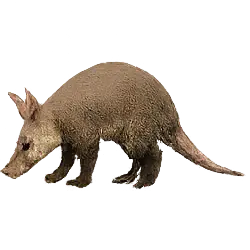
Aardvark
The aardvark is a nocturnal African mammal known for its long snout, strong digging…
Baca panduan spesies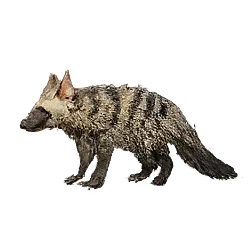
Aardwolf
The aardwolf is a small striped relative of hyenas that feeds mainly on termites rather…
Baca panduan spesies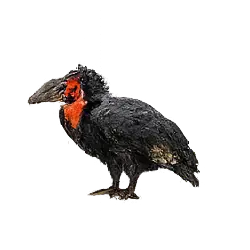
Abyssinian Ground Hornbill
Abyssinian Ground Hornbill is a bird known for bare red facial skin, huge…
Baca panduan spesiesLebih banyak hewan dengan kekuatan Control
Jelajahi semua hewan Control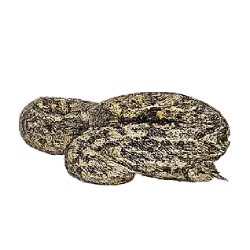
African Rock Python
African Rock Python is a reptile known for very large heavy body, brown blotched…
Baca panduan spesies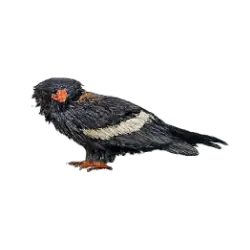
Bateleur
Bateleur is a bird of prey known for very short tail, rocking aerial posture, and…
Baca panduan spesies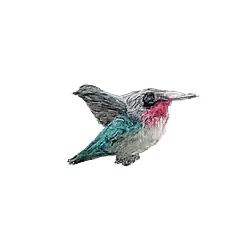
Bee Hummingbird
Bee Hummingbird is a bird known for tiny jewel-like body, hovering flower feeding, and…
Baca panduan spesiesBawa ensiklopedia ke dunia nyata
AnimalDex membantumu memindai hewan nyata, mengidentifikasi spesies, mengoleksi kartu, dan belajar dari alam di mana pun kamu berada.
Comparisons terkait
Lihat bagaimana spesies ini tampil di halaman perbandingan AnimalDex yang terstruktur.
Ruby-Throated Hummingbird vs Rainbow Bee-Eater: Which Bird Is More Agile?
Hummingbird wins the pure agility question because hovering, reverse flight, and tiny-space control are its entire design brief. Bee-eater is still the better fast intercept bird over slightly broader feeding airspace.
Baca halaman comparison