
Panduan lapangan hewan
Scarlet Macaw
Identifikasi, habitat, rarity, perilaku, simbolisme, fakta, dan pelajaran praktis dari alam.
The Rainbow Canopy Screamer. The Scarlet Macaw uses a crushing bill and blazing feathers to feed and fly through tall rainforest trees. It teaches us that bold color can still belong to practical work.
Nama ilmiah
Ara macao
Kategori
Bird
Habitat
Lowland rainforest, riverine forest, and wooded tropical edges with large nesting cavities.
Rarity
Uncommon · 62/100
Native range
Central America and northern South America.
Colorful Labor
Work in color.
Canopy-Bill Feeding
Apa yang diajarkannya
Bright color can still belong to practical work.
Coba
A boring chore gets easier with music, color, and a timer.
Bukti alam
Scarlet Macaws use powerful curved bills to crack nuts and seeds while moving through rainforest canopies in pairs or flocks, showing vivid red, yellow, and blue plumage.
Gunakan untuk
Tangkapan Scarlet Macaw berperingkat
3 tangkapan berperingkat dalam grup ini dari kolektor AnimalDex.
Ash Ketchum
@ashketchumZoo · Baby Zoo - Batu Secret Zoo · Near Jawa Timur Park 2, Batu, East Java, Indonesia
Skor 0
Mengapa Colorful Labor?
Alasan di balik Prinsip Hewan ini dan biologi yang mendukungnya.
The scarlet macaw is a large brilliantly colored parrot known for loud social flight, strong bill power, and canopy foraging in Neotropical forests.
Cara mengidentifikasi Scarlet Macaw
- Bright red body with yellow and blue wing panels
- Long tapered tail and heavy pale upper bill
- Loud paired or flock flight above forest canopy
Kenapa Scarlet Macaw menarik
- Scarlet macaws combine extreme visual impact with strong ecological ties to mature forest structure.
- Their social calls make canopy movement easier to detect before the birds are seen.
Habitat: Lowland rainforest, riverine forest, and wooded tropical edges with large nesting cavities.
Native range: Central America and northern South America.
nativeRangeCardTitle
nativeRangeCardDescription
Lowland rainforest, riverine forest, and wooded tropical edges with large nesting cavities.
To find Scarlet Macaw in the wild, focus on the exact habitat patches that match its body design and daily behavior, not just the broad country where it exists. You usually do better by working one good piece of habitat inside central America and northern South America. than by covering too much ground.
- Quiet marsh edges, reedbeds, river bends, or shallow wetland margins
- Forest edge, canopy gaps, fruiting trees, or shaded trails where cover and food meet
- Protected habitat blocks within central America and northern South America.
- First light and late afternoon are often best, when animals come out to feed along the edge of water.
- Work edges, clearings, fruiting trees, and stream crossings rather than walking randomly through dense cover.
- Use sound, flight lines, and perch trees as clues; birds often reveal themselves before they sit in the open.
Seeds, nuts, fruits, berries, flowers, and occasional clay minerals support the lesson because the colorful body is powered by practical canopy labor.
Raptors, snakes, monkeys at nests, humans, pet trade pressure, and forest loss threaten them. Intelligence and flock awareness help, but nest cavities are precious.
Diurnal, flying, feeding, calling, and socializing by day, then roosting in trees at night.
Often several decades in the wild and much longer in care; colorful labor becomes a lifetime of pair bonds, routes, and learned food sources.
Females lay eggs in tree cavities, and chicks depend on long parental care because a clever canopy life takes time to grow into.
Sexes look similar, so the lesson rests on shared color, intelligence, and bill work rather than male-only display.
- Travels in pairs or noisy groups between feeding trees
- Uses a powerful bill to crack hard seeds and nuts
- Depends on large old trees for nesting cavities
Scarlet Macaw most often symbolizes colorful labor in AnimalDex because its real survival behavior repeatedly shows this pattern.
Bright color can still belong to practical work.
Scarlet Macaws use powerful curved bills to crack nuts and seeds while moving through rainforest canopies in pairs or flocks, showing vivid red, yellow, and blue plumage.
- Watch flight lines from river edges or canopy viewpoints rather than closing on nest trees.
- Avoid facilities linked to wild-caught bird demand.
- Green-winged macaw
- Military macaw
- Large parrot flocks at distance
0/1 XP toward Level 2
statsTitle
statsDescription
statsSourceLabel: statsSourceSpeciesProfile
dominanceStat
58
speedStat
58
sizeStat
32
intelligenceStat
78
rarityStat
62%
Total
288
Size scale
Medium
Uses the canonical size stat for consistent placement







US$213 – US$441
Perkiraan rentang nilai
Kepercayaan 69%
Perkiraan nilai AnimalDex dibuat dari stat spesies kanonik.
Not a marketplace listing.
Perkiraan nilai berdasarkan hewan yang teridentifikasi dan konteks harga yang tersedia. Bukan daftar marketplace.
Seberapa langka Scarlet Macaw?
Rarity: Uncommon (62/100)
The species remains secure in some strongholds but is pressured elsewhere by trapping and forest loss.
Systems Intelligence & Hidden Purpose
Sudut pandang systems biology untuk melihat bagaimana spesies ini dibangun, peran apa yang dijalankannya di ekosistem, dan pelajaran praktis apa yang bisa dipetik manusia.
System Role
The Canopy Seed Cracker
Scarlet Macaw
Specialized Hardware
A crushing bill, mobile zygodactyl feet, and loud social flight make macaws forest processing hardware for hard fruits and seeds.
Systems Script
Macaws open tough plant resources and redistribute seeds through long flights between fruiting trees. Their presence helps keep canopy food systems dynamic instead of localized.
Strategic Insight
Some value stays locked until the right tool arrives. Build for access, not just speed.
Public Animal Power
Explore this Animal Power
This is a public capture, so you can explore its Animal Power here. Personal Apex matches and challenges use your Wild Profile and animals you own.
Own an animal with this power to use it in Growth challenges.
Comparison hearts ready
3 of 3 hearts remaining. Each loss removes 1 heart.
✦ Available actions
Compare this public animal when your deck meets the current rules.
⚡CompareUnavailable›Hewan terkait
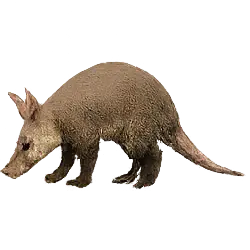
Aardvark
The aardvark is a nocturnal African mammal known for its long snout, strong digging…
Baca panduan spesies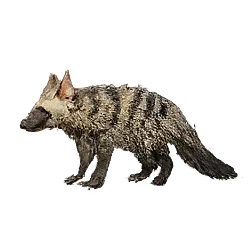
Aardwolf
The aardwolf is a small striped relative of hyenas that feeds mainly on termites rather…
Baca panduan spesies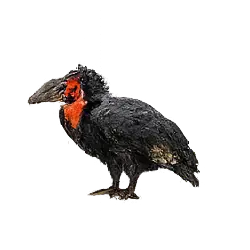
Abyssinian Ground Hornbill
Abyssinian Ground Hornbill is a bird known for bare red facial skin, huge…
Baca panduan spesiesLebih banyak hewan dengan kekuatan Beauty
Jelajahi semua hewan Beauty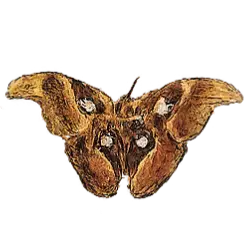
Atlas Moth
The atlas moth is one of the world’s largest moths, known for enormous patterned wings…
Baca panduan spesies
Bali Myna
The Bali myna is a striking white starling with blue skin around the eye, a crest, and…
Baca panduan spesies
Blue Morpho
Blue Morpho is a insect known for iridescent blue wings, broad slow gliding flight, and…
Baca panduan spesiesBawa ensiklopedia ke dunia nyata
AnimalDex membantumu memindai hewan nyata, mengidentifikasi spesies, mengoleksi kartu, dan belajar dari alam di mana pun kamu berada.
Comparisons terkait
Lihat bagaimana spesies ini tampil di halaman perbandingan AnimalDex yang terstruktur.
Scarlet Macaw vs Rhinoceros Hornbill: Which Tropical Bird Has the Stronger Edge?
Rhinoceros hornbill usually has the stronger physical edge because of size and body authority. Scarlet macaw remains highly capable thanks to climbing control and a powerful hooked bill at close range.
Baca halaman comparison