
Panduan lapangan hewan
Siberian Musk Deer
Identifikasi, habitat, rarity, perilaku, simbolisme, fakta, dan pelajaran praktis dari alam.
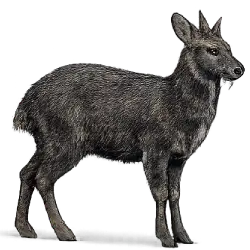
Siberian Musk Deer proves that strength does not need the expected shape. Without antlers, males carry tusks; in mountain forest, alternate weaponry becomes strategy.
Kartu AnimalDex
Buka kartu hewan ini
Pindai atau tangkap hewan ini dengan AnimalDex untuk membuka kartu koleksi dan menambahkannya ke koleksi satwa liarmu.
Dapatkan AnimalDexNama ilmiah
Moschus moschiferus
Kategori
Mammal
Habitat
Siberian Musk Deer live in cold mountain forests, taiga, rocky slopes, and dense cover. Alternate Weaponry fits because this is not open antler country alone; it is a place where lightness, scent, tusks, and secrecy matter.
Rarity
Rare · 82/100
Native range
Siberian Musk Deer live in cold mountain forests, taiga, rocky slopes, and dense cover. Alternate Weaponry fits because this is not open antler country alone; it is a place where lightness, scent, tusks, and secrecy matter.
Alternate Weaponry
Choose another weapon.
Tusked Deer Display
Apa yang diajarkannya
Nature has more than one way to carry strength.
Coba
A small business grows by serving one clear need very well.
Bukti alam
Siberian Musk Deer lack antlers but males have elongated upper canine tusks used in display and competition, while navigating mountain forests with careful movement.
Gunakan untuk
Tangkapan Siberian Musk Deer berperingkat
Belum ada tangkapan komunitas berperingkat untuk spesies ini.
Mengapa Alternate Weaponry?
Alasan di balik Prinsip Hewan ini dan biologi yang mendukungnya.
Siberian Musk Deer proves that strength does not need the expected shape. Without antlers, males carry tusks; in mountain forest, alternate weaponry becomes strategy.
Cara mengidentifikasi Siberian Musk Deer
- Elongated male upper canines instead of antlers
- Small agile body for mountain forest movement
- Musk gland used in scent communication
- Secretive browsing in cold forests
Habitat: Siberian Musk Deer live in cold mountain forests, taiga, rocky slopes, and dense cover. Alternate Weaponry fits because this is not open antler country alone; it is a place where lightness, scent, tusks, and secrecy matter.
Native range: Siberian Musk Deer live in cold mountain forests, taiga, rocky slopes, and dense cover. Alternate Weaponry fits because this is not open antler country alone; it is a place where lightness, scent, tusks, and secrecy matter.
nativeRangeCardTitle
nativeRangeCardDescription
Siberian Musk Deer live in cold mountain forests, taiga, rocky slopes, and dense cover. Alternate Weaponry fits because this is not open antler country alone; it is a place where lightness, scent, tusks, and secrecy matter.
To find Siberian Musk Deer in the wild, focus on the exact habitat patches that match its body design and daily behavior, not just the broad country where it exists. You usually do better by working one good piece of habitat inside siberian Musk Deer live in cold mountain forests, taiga, rocky slopes, and dense cover. Alternate Weaponry fits because this is not open antler country alone; it is a place where lightness, scent, tusks, and secrecy matter. than by covering too much ground.
- Forest edge, canopy gaps, fruiting trees, or shaded trails where cover and food meet
- Rocky slopes, ridge lines, cliff ledges, or open mountain meadows with a wide view
- Protected habitat blocks within siberian Musk Deer live in cold mountain forests, taiga, rocky slopes, and dense cover. Alternate Weaponry fits because this is not open antler country alone; it is a place where lightness, scent, tusks, and secrecy matter.
- Start early, pick one strong patch of habitat, and stay long enough for movement to return after you arrive.
- Work edges, clearings, fruiting trees, and stream crossings rather than walking randomly through dense cover.
- Slow down and scan shapes, outlines, and eye-level silhouettes; many good sightings come from noticing what does not move.
They eat leaves, shoots, lichens, grasses, mosses, and seasonal browse. The diet supports the principle because the body is built for careful mountain use, not heavy dominance over open grazing ground.
Predators include lynx, wolverines, foxes, wolves, and humans. Their defenses are concealment, agility, freezing still, and climbing through broken terrain rather than standing in open combat.
Mostly crepuscular or nocturnal, resting hidden by day and feeding in safer dim light. The rhythm makes alternate strategy clearer: avoid the obvious contest and use the time that fits the body.
Often around 10 to 14 years where protected. The lifespan why is that unusual tools can endure if the animal keeps choosing terrain and timing that make those tools useful.
Females usually give birth to one or two fawns hidden in cover. Offspring start with concealment rather than weaponry, showing that survival begins before display appears.
Males have the prominent tusks and musk gland role; females lack the same display emphasis. The sex difference is the principle made visible: power can grow as fangs, scent, and strategy instead of antlers.
- Elongated male upper canines instead of antlers
- Small agile body for mountain forest movement
- Musk gland used in scent communication
- Secretive browsing in cold forests
Siberian Musk Deer most often symbolizes alternate weaponry in AnimalDex because its real survival behavior repeatedly shows this pattern.
Nature has more than one way to carry strength.
Siberian Musk Deer lack antlers but males have elongated upper canine tusks used in display and competition, while navigating mountain forests with careful movement.
- Observe from a respectful distance and avoid changing the animal's behavior.
- Do not block feeding, shelter, nesting, or travel routes.
- Use a live camera capture without handling or staging wildlife.
statsTitle
statsDescription
statsSourceLabel: statsSourceSpeciesProfile
dominanceStat
63
speedStat
57
sizeStat
26
intelligenceStat
46
rarityStat
82%
Total
274
Size scale
Medium
Uses the canonical size stat for consistent placement
US$225 – US$467
Perkiraan rentang nilai
Kepercayaan 69%
Perkiraan nilai AnimalDex dibuat dari stat spesies kanonik.
Not a marketplace listing.
Perkiraan nilai berdasarkan hewan yang teridentifikasi dan konteks harga yang tersedia. Bukan daftar marketplace.
Seberapa langka Siberian Musk Deer?
Rarity: Rare (82/100)
AnimalDex canonical rarity score: 82/100, maintained by the live indexed species profile.
Public Animal Power
Explore this Animal Power
This is a public capture, so you can explore its Animal Power here. Personal Apex matches and challenges use your Wild Profile and animals you own.
Own an animal with this power to use it in Growth challenges.
Hewan terkait

Siberian Musk Deer
Siberian Musk Deer is a mammal known for fang-like upper teeth, small deer body without…
Baca panduan spesies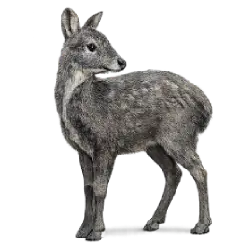
Alpine Musk Deer
Alpine Musk Deer teaches Antlerless Alternative through a deer body that solves display…
Baca panduan spesies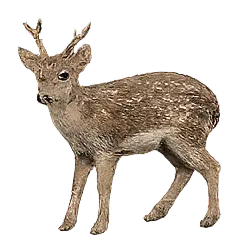
Bawean Deer
Bawean Deer is a mammal known for small island deer frame, short upright antlers, and…
Baca panduan spesiesLebih banyak hewan dengan kekuatan Competition
Jelajahi semua hewan Competition

Bawa ensiklopedia ke dunia nyata
AnimalDex membantumu memindai hewan nyata, mengidentifikasi spesies, mengoleksi kartu, dan belajar dari alam di mana pun kamu berada.