
Panduan lapangan hewan
Wolverine
Identifikasi, habitat, rarity, perilaku, simbolisme, fakta, dan pelajaran praktis dari alam.
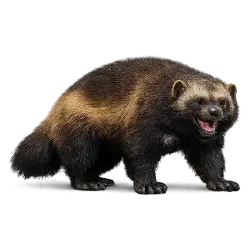
The Frost-Claw Trail Tank. The Wolverine uses wide feet, thick fur, and fierce determination to cross snow and defend what it finds. It reminds us that toughness grows from staying with the task.
Kartu AnimalDex
Buka kartu hewan ini
Pindai atau tangkap hewan ini dengan AnimalDex untuk membuka kartu koleksi dan menambahkannya ke koleksi satwa liarmu.
Dapatkan AnimalDexNama ilmiah
Gulo gulo
Kategori
Mammal
Habitat
Boreal forest, alpine tundra, mountain wilderness, and cold sparsely populated landscapes.
Rarity
Uncommon · 62/100
Native range
Northern North America, Europe, and Asia in discontinuous cold-region populations.
Tenacity
Stay with the trail.
Snow-Trail Scavenging
Apa yang diajarkannya
The path opens for the one that refuses to stop at harsh ground.
Coba
A hard project finishes because quitting is never the first choice.
Bukti alam
Wolverines use large feet, thick fur, strong jaws, and wide-ranging movement to travel across snow, scavenge carcasses, cache food, and defend resources in cold northern habitats.
Gunakan untuk
Tangkapan Wolverine berperingkat
Belum ada tangkapan komunitas berperingkat untuk spesies ini.
Mengapa Tenacity?
Alasan di balik Prinsip Hewan ini dan biologi yang mendukungnya.
Wolverines are powerful northern mustelids known for stamina, scavenging skill, and the ability to travel huge snowy ranges with little support.
Cara mengidentifikasi Wolverine
- Stocky dark body with pale side stripes and bushy tail
- Broad head and heavy claws on short strong legs
- Low determined movement over snow, rock, or tundra
Kenapa Wolverine menarik
- Wolverines are strong examples of toughness built around persistence and opportunism rather than size.
- They make excellent case studies in cold-climate scavenger-predator overlap.
Habitat: Boreal forest, alpine tundra, mountain wilderness, and cold sparsely populated landscapes.
Native range: Northern North America, Europe, and Asia in discontinuous cold-region populations.
nativeRangeCardTitle
nativeRangeCardDescription
Boreal forest, alpine tundra, mountain wilderness, and cold sparsely populated landscapes.
To find Wolverine in the wild, focus on the exact habitat patches that match its body design and daily behavior, not just the broad country where it exists. You usually do better by working one good piece of habitat inside northern North America, Europe, and Asia in discontinuous cold-region populations. than by covering too much ground.
- Forest edge, canopy gaps, fruiting trees, or shaded trails where cover and food meet
- Rocky slopes, ridge lines, cliff ledges, or open mountain meadows with a wide view
- Protected habitat blocks within northern North America, Europe, and Asia in discontinuous cold-region populations.
- Start early, pick one strong patch of habitat, and stay long enough for movement to return after you arrive.
- Work edges, clearings, fruiting trees, and stream crossings rather than walking randomly through dense cover.
- Move quietly, stop often, and give the habitat time to settle; many mammals and insects show themselves only after the first pause.
They eat carrion, small mammals, birds, eggs, berries, and prey it can overpower. The diet fits the lesson because feeding is not random here; it shows how the animal turns its special design into daily survival.
They are active in long wandering bouts by day or night depending on food and disturbance. This rhythm supports the principle because timing decides when the animal hides, searches, rests, or acts.
They often 7 to 12 years in the wild. The lifespan note matters because the animal’s strategy has to work repeatedly, not just in one dramatic moment.
females den in snow and raise small litters of kits. Offspring begin life inside the same pressures that shaped the adult’s signature strategy.
males are larger and range more widely; females carry the denning work. These differences add detail without replacing the core design shared by the species.
- Ranges widely in search of carrion, trapped prey, and seasonal food
- Caches food in cold conditions to reduce spoilage
- Uses scent marking to maintain large solitary territories
Wolverine most often symbolizes tenacity in AnimalDex because its real survival behavior repeatedly shows this pattern.
The path opens for the one that refuses to stop at harsh ground.
Wolverines use large feet, thick fur, strong jaws, and wide-ranging movement to travel across snow, scavenge carcasses, cache food, and defend resources in cold northern habitats.
- Use remote optics and avoid baiting or food-conditioned viewing.
- Respect denning and snow-travel restrictions in alpine habitat.
- Badger
- Fisher
- Dark bear cub at distance
statsTitle
statsDescription
statsSourceLabel: statsSourceSpeciesProfile
dominanceStat
78
speedStat
48
sizeStat
28
intelligenceStat
48
rarityStat
62%
Total
264
Size scale
Medium
Uses the canonical size stat for consistent placement
US$199 – US$413
Perkiraan rentang nilai
Kepercayaan 69%
Perkiraan nilai AnimalDex dibuat dari stat spesies kanonik.
Not a marketplace listing.
Perkiraan nilai berdasarkan hewan yang teridentifikasi dan konteks harga yang tersedia. Bukan daftar marketplace.
Seberapa langka Wolverine?
Rarity: Uncommon (62/100)
Wolverines require large cold landscapes and remain naturally low-density, making them vulnerable to fragmentation and warming snow patterns.
Systems Intelligence & Hidden Purpose
Sudut pandang systems biology untuk melihat bagaimana spesies ini dibangun, peran apa yang dijalankannya di ekosistem, dan pelajaran praktis apa yang bisa dipetik manusia.
System Role
The Cold-Range Persistence Engine
Wolverine
Specialized Hardware
Broad snow-travel feet, powerful jaws, and relentless endurance make wolverines scavenger-predator hardware built for low-density cold landscapes.
Systems Script
Wolverines keep carcasses, caches, and sparse prey networks connected across huge territories. They thrive where persistence and reach matter more than elegance.
Strategic Insight
When resources are sparse, range and follow-through become competitive advantages of their own.
Public Animal Power
Explore this Animal Power
This is a public capture, so you can explore its Animal Power here. Personal Apex matches and challenges use your Wild Profile and animals you own.
Own an animal with this power to use it in Growth challenges.
Hewan terkait
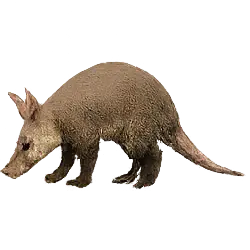
Aardvark
The aardvark is a nocturnal African mammal known for its long snout, strong digging…
Baca panduan spesies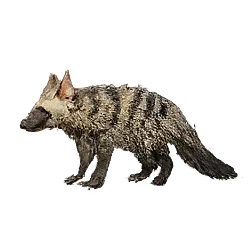
Aardwolf
The aardwolf is a small striped relative of hyenas that feeds mainly on termites rather…
Baca panduan spesies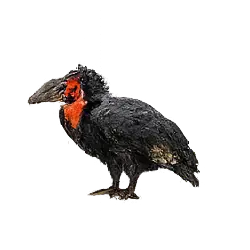
Abyssinian Ground Hornbill
Abyssinian Ground Hornbill is a bird known for bare red facial skin, huge…
Baca panduan spesiesLebih banyak hewan dengan kekuatan Cold Endurance
Jelajahi semua hewan Cold Endurance
Alpine Marmot
Alpine Marmot is framed by Burrow Calendar: a mammal whose body and habits make sense…
Baca panduan spesies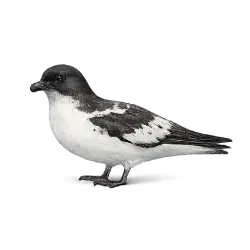
Antarctic Petrel
Antarctic Petrel expresses Frostwing through cold-ocean flight, Antarctic breeding,…
Baca panduan spesies
Arctic Ground Squirrel
Arctic Ground Squirrel is framed by Frozen Readiness: a mammal whose body and habits…
Baca panduan spesiesBawa ensiklopedia ke dunia nyata
AnimalDex membantumu memindai hewan nyata, mengidentifikasi spesies, mengoleksi kartu, dan belajar dari alam di mana pun kamu berada.
Comparisons terkait
Lihat bagaimana spesies ini tampil di halaman perbandingan AnimalDex yang terstruktur.
Black Mamba vs Wolverine: Which Dangerous Animal Has the Edge?
Black mamba gets the slight overall edge because the first-strike venom threat is so strong. Wolverine remains fully live because it is unusually hard to intimidate and excellent at ugly contact once it closes.
Baca halaman comparisonGrizzly Bear vs Wolverine: Which Dangerous Mammal Has the Edge?
Grizzly bear gets the overwhelming overall edge through huge size, crushing land power, and too much total force. Wolverine stays interesting only because it is relentless, hard to bully psychologically, and excellent at creating ugly close-range friction.
Baca halaman comparisonHoney Badger vs Wolverine: Which Tough Mammal Has the Edge?
Wolverine gets the slight overall edge through heavier build, stronger cold-country durability, and brutal persistence. Honey badger stays fully dangerous through aggression, digging power, and willingness to force ugly contact.
Baca halaman comparisonKing Cobra vs Wolverine: Which Dangerous Animal Has the Edge?
King cobra gets the slight overall edge because one clean venom strike can decide the encounter quickly. Wolverine remains dangerous because it is relentless, fast to close, and built to turn the fight ugly if it survives the first danger window.
Baca halaman comparisonMuncul di tier list
Lihat posisi spesies ini di halaman tier list AnimalDex yang dibangun dengan perbandingan terstruktur dan metodologi yang jelas.
#3 · Resilience
Most Resilient Animals in the World: Top 100 Tier List
Wolverine repeatedly earns a reputation for staying dangerous and functional in harsh conditions for good reason.
Baca tier list