
Panduan lapangan hewan
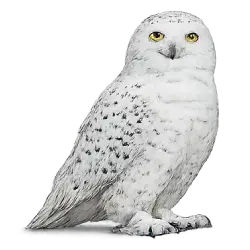
Snowy Owl
Identifikasi, habitat, rarity, perilaku, simbolisme, fakta, dan pelajaran praktis dari alam.
The Arctic Sentinel. The Snowy Owl uses its keen eyesight and silent flight to hunt in the snowy tundra. It shows us the power of patience and precision, waiting for the perfect moment to strike.
Kartu AnimalDex
Buka kartu hewan ini
Pindai atau tangkap hewan ini dengan AnimalDex untuk membuka kartu koleksi dan menambahkannya ke koleksi satwa liarmu.
Dapatkan AnimalDexNama ilmiah
Bubo scandiacus
Kategori
Bird of prey
Habitat
Arctic tundra, open fields, coastal flats, and winter grassland habitats.
Rarity
Uncommon · 68/100
Native range
Arctic breeding grounds with winter movements into North America, Europe, and Asia.
Arctic Vigil
Watch the white.
Snowfield Perch Hunting
Apa yang diajarkannya
In a white world, patience becomes a watchtower.
Coba
A babysitter keeps watch until the little one finally sleeps.
Bukti alam
Snowy Owls hunt across open tundra and snowy landscapes using strong eyesight, hearing, silent flight, and high perches or ground positions to detect prey.
Gunakan untuk
Tangkapan Snowy Owl berperingkat
Belum ada tangkapan komunitas berperingkat untuk spesies ini.
Mengapa Arctic Vigil?
Alasan di balik Prinsip Hewan ini dan biologi yang mendukungnya.
The snowy owl is a large pale Arctic owl known for open-country hunting, thick feathering, and bright yellow eyes.
Cara mengidentifikasi Snowy Owl
- Mostly white plumage with dark bars
- Round head with bright yellow eyes
- Heavy feathering down the legs
- Often perches low in open tundra
Kenapa Snowy Owl menarik
- Snowy Owl is a useful example of how anatomy and habitat fit together as one survival system.
- Its shape, movement style, and food strategy make it easy to compare with related animals.
- This species turns one page into a lesson about adaptation, ecosystem role, and identification.
Habitat: Arctic tundra, open fields, coastal flats, and winter grassland habitats.
Native range: Arctic breeding grounds with winter movements into North America, Europe, and Asia.
nativeRangeCardTitle
nativeRangeCardDescription
Arctic tundra, open fields, coastal flats, and winter grassland habitats.
To find Snowy Owl in the wild, focus on the exact habitat patches that match its body design and daily behavior, not just the broad country where it exists. You usually do better by working one good piece of habitat inside arctic breeding grounds with winter movements into North America, Europe, and Asia. than by covering too much ground.
- Open grassland edges, lightly wooded plains, or raised ground where you can scan long distances
- Headlands, reef edges, island colonies, tidal channels, or productive coastal water
- Sunlit logs, exposed branches, warm rocks, or regular perch sites used for scanning
- Early sun and calm weather usually give the best chance of seeing normal basking, perched, or soaring behavior.
- Use binoculars from a track, ridge, or vehicle stop and scan far ahead before you move closer.
- Slow down and scan shapes, outlines, and eye-level silhouettes; many good sightings come from noticing what does not move.
They eat lemmings, voles, birds, and other small animals, depending on season and place. The diet fits the lesson because hunting on open tundra demands patient scanning until one small movement breaks the white.
Eggs and chicks can be threatened by foxes, gulls, jaegers, and other predators, while adults face harsh weather and food cycles. Their defense is vigilance, bold nest protection, and flight, showing that watchfulness protects both self and family.
Snowy Owls can be active by day or night depending on season and light, especially in Arctic conditions. Their rhythm fits the principle because they follow opportunity rather than a simple clock.
They may live around 10 years or more in the wild, and longer in protected care. Their lifespan gives time for many winters of scanning, waiting, and adapting to prey cycles.
Females lay clutches on the ground, with clutch size often tied to prey abundance; both parents defend the nesting area. Offspring begin life exposed on tundra, so parental vigilance is their first shelter.
Females and young are usually more heavily barred, while adult males often become paler or nearly white. This difference makes the species' snow-camouflage story visible across age and sex.
- Snowy Owl adjusts movement and feeding to match light, temperature, and food access in its habitat.
- Body design, timing, and shelter choices all help this species stay effective in the wild.
- Patient observation usually reveals more behavior than close approach or fast movement.
Snowy Owl most often symbolizes arctic vigil in AnimalDex because its real survival behavior repeatedly shows this pattern.
In a white world, patience becomes a watchtower.
Snowy Owls hunt across open tundra and snowy landscapes using strong eyesight, hearing, silent flight, and high perches or ground positions to detect prey.
- Keep distance and let the animal choose the space.
- Avoid blocking movement routes, nesting areas, or feeding behavior.
- Use optics, patience, and quiet observation instead of crowding for a closer view.
- Regional relatives may look similar at a distance.
- Juveniles, adults, and seasonal forms can differ in color or size.
- Light, angle, and habitat context can change how field marks appear.
statsTitle
statsDescription
statsSourceLabel: statsSourceSpeciesProfile
dominanceStat
62
speedStat
56
sizeStat
20
intelligenceStat
41
rarityStat
68%
Total
247
Size scale
Small
Uses the canonical size stat for consistent placement




US$183 – US$379
Perkiraan rentang nilai
Kepercayaan 69%
Perkiraan nilai AnimalDex dibuat dari stat spesies kanonik.
Not a marketplace listing.
Perkiraan nilai berdasarkan hewan yang teridentifikasi dan konteks harga yang tersedia. Bukan daftar marketplace.
Seberapa langka Snowy Owl?
Rarity: Uncommon (68/100)
Snowy owls are tied to Arctic cycles and can be hard to predict or find outside irruption years.
Systems Intelligence & Hidden Purpose
Sudut pandang systems biology untuk melihat bagaimana spesies ini dibangun, peran apa yang dijalankannya di ekosistem, dan pelajaran praktis apa yang bisa dipetik manusia.
System Role
The Open-Tundra Observer
Snowy Owl
Specialized Hardware
Mostly white plumage with dark bars, round head with bright yellow eyes, and heavy feathering down the legs give the Snowy Owl a body plan tuned for its niche.
Systems Script
Snowy Owls operate in arctic tundra, open fields, coastal flats, and winter grassland habitats. Their design helps them match food access, shelter, and timing inside that environment.
Strategic Insight
Visibility becomes power when your body and the background work together.
Public Animal Power
Explore this Animal Power
This is a public capture, so you can explore its Animal Power here. Personal Apex matches and challenges use your Wild Profile and animals you own.
Own an animal with this power to use it in Growth challenges.
Hewan terkait
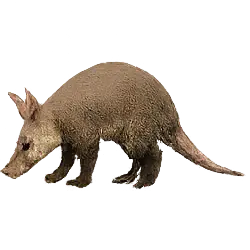
Aardvark
The aardvark is a nocturnal African mammal known for its long snout, strong digging…
Baca panduan spesies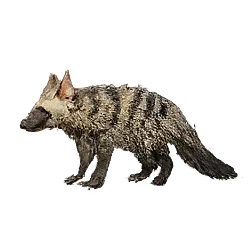
Aardwolf
The aardwolf is a small striped relative of hyenas that feeds mainly on termites rather…
Baca panduan spesies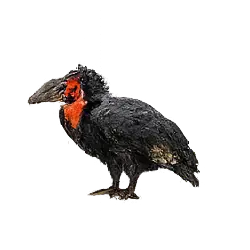
Abyssinian Ground Hornbill
Abyssinian Ground Hornbill is a bird known for bare red facial skin, huge…
Baca panduan spesiesLebih banyak hewan dengan kekuatan Focus
Jelajahi semua hewan Focus
African Pygmy Kingfisher
Pygmy Kingfisher expresses Flashperch through tiny bright body, watchful perch, sudden…
Baca panduan spesies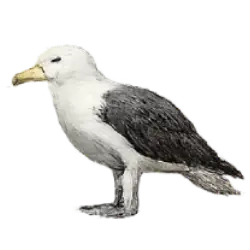
Atlantic Yellow-nosed Albatross
Atlantic Yellow-nosed Albatross is a bird known for long gliding ocean wings, yellow…
Baca panduan spesies
Barred Eagle-Owl
Barred Eagle-Owl teaches Barred Eagle Owl · Canopy Vigilance through its real biology:…
Baca panduan spesiesBawa ensiklopedia ke dunia nyata
AnimalDex membantumu memindai hewan nyata, mengidentifikasi spesies, mengoleksi kartu, dan belajar dari alam di mana pun kamu berada.
Panduan blog terkait
Lanjutkan belajar lewat artikel praktis yang terhubung dengan spesies ini.
Snowy Owl Symbolism: Arctic Observation, Silent Wisdom & Patient Sight
Explore snowy owl symbolism through Arctic hunting, silent flight, patient observation, and the archetype of wisdom that waits in stillness.
Baca artikel blog