
Panduan lapangan hewan
Sumatran Orangutan
Identifikasi, habitat, rarity, perilaku, simbolisme, fakta, dan pelajaran praktis dari alam.
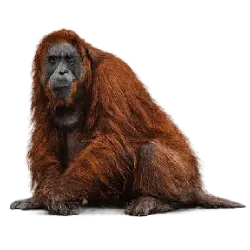
The Canopy Thinker Builder. The Sumatran Orangutan uses thoughtful hands and long arms to build nests and solve life high in the rainforest canopy. It teaches us that careful thinking can shape the world around us.
Kartu AnimalDex
Buka kartu hewan ini
Pindai atau tangkap hewan ini dengan AnimalDex untuk membuka kartu koleksi dan menambahkannya ke koleksi satwa liarmu.
Dapatkan AnimalDexNama ilmiah
Pongo abelii
Kategori
Primate
Habitat
lowland rainforest, hill forest, and riverine canopy
Rarity
Very rare · 92/100
Native range
Northern Sumatra, Indonesia
Canopy Thought
Think in branches.
Tool-Using Nest Builder
Apa yang diajarkannya
Careful thought shapes the world one branch at a time.
Coba
A tricky problem improves after drawing the plan before touching anything.
Bukti alam
Sumatran Orangutans are intelligent arboreal apes known for tool use, complex foraging behavior, and regular nest building in rainforest canopies.
Gunakan untuk
Tangkapan Sumatran Orangutan berperingkat
Belum ada tangkapan komunitas berperingkat untuk spesies ini.
Mengapa Canopy Thought?
Alasan di balik Prinsip Hewan ini dan biologi yang mendukungnya.
Sumatran Orangutan is a primate known for slimmer canopy build, long flexible reach, and fine-scale branch navigation.
Cara mengidentifikasi Sumatran Orangutan
- slimmer canopy build
- long flexible reach
- fine-scale branch navigation
- Often associated with lowland rainforest, hill forest, and riverine canopy
Kenapa Sumatran Orangutan menarik
- Sumatran Orangutan is a useful example of how anatomy and habitat fit together as one survival system.
- Its shape, movement style, and food strategy make it easy to compare with related animals.
- This species turns one page into a lesson about adaptation, ecosystem role, and identification.
Habitat: lowland rainforest, hill forest, and riverine canopy
Native range: Northern Sumatra, Indonesia
nativeRangeCardTitle
nativeRangeCardDescription
nativeRangeMissingAssets
lowland rainforest, hill forest, and riverine canopy
To find Sumatran Orangutan in the wild, focus on the exact habitat patches that match its body design and daily behavior, not just the broad country where it exists. You usually do better by working one good piece of habitat inside northern Sumatra, Indonesia than by covering too much ground.
- Quiet marsh edges, reedbeds, river bends, or shallow wetland margins
- Forest edge, canopy gaps, fruiting trees, or shaded trails where cover and food meet
- Sunlit logs, exposed branches, warm rocks, or regular perch sites used for scanning
- First light and late afternoon are often best, when animals come out to feed along the edge of water.
- Work edges, clearings, fruiting trees, and stream crossings rather than walking randomly through dense cover.
- Slow down and scan shapes, outlines, and eye-level silhouettes; many good sightings come from noticing what does not move.
Fruit, young leaves, bark, insects, flowers, and occasional honey or seeds support Canopy Thought because intelligent foraging follows changing forest abundance.
Tigers, clouded leopards, snakes, and humans can threaten orangutans, especially young. Height, intelligence, and maternal care provide protection.
They are diurnal, feeding and traveling by day, then building nests to sleep at night. Their rhythm is think, forage, build, and rest.
Orangutans can live for several decades, with long childhoods and slow reproduction. The lesson is thought built patiently over time.
Females usually give birth to a single infant after long intervals. Young stay with mothers for years, learning food, routes, tools, and nest craft.
Adult males can develop large cheek pads and throat sacs, while females remain smaller and raise young. The contrast shows intelligence as both display and deep care.
- Sumatran Orangutan adjusts movement and feeding to match light, temperature, and food access in its habitat.
- Body design, timing, and shelter choices all help this species stay effective in the wild.
- Patient observation usually reveals more behavior than close approach or fast movement.
Sumatran Orangutan most often symbolizes canopy thought in AnimalDex because its real survival behavior repeatedly shows this pattern.
Careful thought shapes the world one branch at a time.
Sumatran Orangutans are intelligent arboreal apes known for tool use, complex foraging behavior, and regular nest building in rainforest canopies.
- Keep distance and let the animal choose the space.
- Avoid blocking movement routes, nesting areas, or feeding behavior.
- Use optics, patience, and quiet observation instead of crowding for a closer view.
- Regional relatives may look similar at a distance.
- Juveniles, adults, and seasonal forms can differ in color or size.
- Light, angle, and habitat context can change how field marks appear.
statsTitle
statsDescription
statsSourceLabel: statsSourceSpeciesProfile
dominanceStat
72
speedStat
42
sizeStat
58
intelligenceStat
94
rarityStat
92%
Total
358
Size scale
Large
Uses the canonical size stat for consistent placement



US$346 – US$720
Perkiraan rentang nilai
Kepercayaan 69%
Perkiraan nilai AnimalDex dibuat dari stat spesies kanonik.
Not a marketplace listing.
Perkiraan nilai berdasarkan hewan yang teridentifikasi dan konteks harga yang tersedia. Bukan daftar marketplace.
Seberapa langka Sumatran Orangutan?
Rarity: Very rare (92/100)
Sumatran Orangutan depends on a narrow or fragile habitat base, so pressure on lowland rainforest, hill forest, and riverine canopy can affect it quickly.
Public Animal Power
Explore this Animal Power
This is a public capture, so you can explore its Animal Power here. Personal Apex matches and challenges use your Wild Profile and animals you own.
Own an animal with this power to use it in Growth challenges.
Hewan terkait
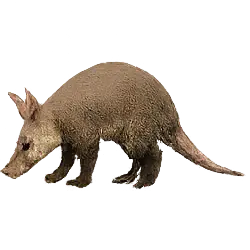
Aardvark
The aardvark is a nocturnal African mammal known for its long snout, strong digging…
Baca panduan spesies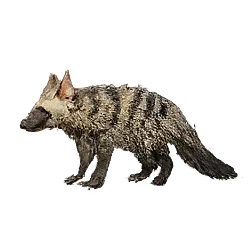
Aardwolf
The aardwolf is a small striped relative of hyenas that feeds mainly on termites rather…
Baca panduan spesies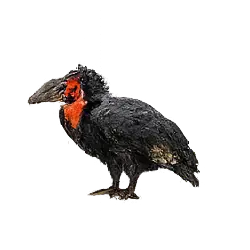
Abyssinian Ground Hornbill
Abyssinian Ground Hornbill is a bird known for bare red facial skin, huge…
Baca panduan spesiesLebih banyak hewan dengan kekuatan Canopy Life
Jelajahi semua hewan Canopy Life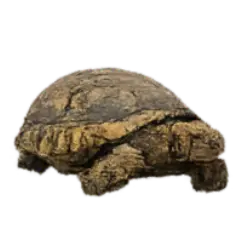
Aldabra Giant Tortoise
Aldabra Giant Tortoise is a reptile known for immense domed shell, very long lifespan,…
Baca panduan spesies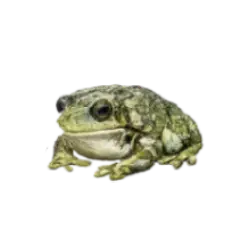
Amazon Milk Frog
Amazon Milk Frog is a amphibian known for big silver-rimmed eyes, banded brown-and-blue…
Baca panduan spesies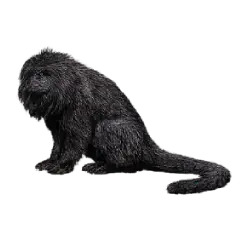
Black Howler Monkey
Black Howler Monkey is a mammal known for booming long-distance calls, prehensile tail,…
Baca panduan spesiesBawa ensiklopedia ke dunia nyata
AnimalDex membantumu memindai hewan nyata, mengidentifikasi spesies, mengoleksi kartu, dan belajar dari alam di mana pun kamu berada.
Panduan blog terkait
Lanjutkan belajar lewat artikel praktis yang terhubung dengan spesies ini.
Sumatran Orangutan Symbolism: Canopy Adaptability, Patient Intelligence & Forest Memory
Explore Sumatran orangutan symbolism through canopy navigation, tool use, and forest adaptation.
Baca artikel blog