
Panduan lapangan hewan
Sunda Pangolin
Identifikasi, habitat, rarity, perilaku, simbolisme, fakta, dan pelajaran praktis dari alam.
The Scale-Coat Ant Hunter. The Sunda Pangolin uses overlapping scales and a long sticky tongue to raid ant and termite nests at night. It teaches us that great protection can wrap around delicate work.
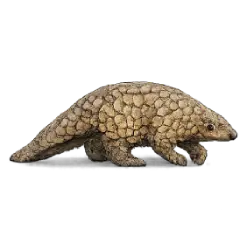
Kartu AnimalDex
Buka kartu hewan ini
Pindai atau tangkap hewan ini dengan AnimalDex untuk membuka kartu koleksi dan menambahkannya ke koleksi satwa liarmu.
Dapatkan AnimalDexNama ilmiah
Manis javanica
Kategori
Mammal
Habitat
Lowland forest, secondary woodland, plantations, and forest-edge mosaics with ant and termite abundance.
Rarity
Very rare · 92/100
Native range
Southeast Asia including mainland forests and western Indonesian islands.
Wrapped Protection
Wrap the delicate work.
Scaled Ant-Termite Feeding
Apa yang diajarkannya
Great protection can wrap around delicate, patient work.
Coba
A soft dream stays safe because the plan around it is strong.
Bukti alam
Sunda Pangolins have overlapping keratin scales for defense and long sticky tongues for feeding on ants and termites at night.
Gunakan untuk
Tangkapan Sunda Pangolin berperingkat
Belum ada tangkapan komunitas berperingkat untuk spesies ini.
Mengapa Wrapped Protection?
Alasan di balik Prinsip Hewan ini dan biologi yang mendukungnya.
The Sunda pangolin is a scale-covered Southeast Asian mammal specialized for feeding on ants and termites with strong claws and a long adhesive tongue.
Cara mengidentifikasi Sunda Pangolin
- Body covered in overlapping brown keratin scales
- Long tapering tail and narrow pointed head
- Slow careful walking with large curved foreclaws
Kenapa Sunda Pangolin menarik
- Pangolins are among the most distinctive mammal body plans alive today.
- They are also among the most urgent examples of wildlife trade pressure.
Habitat: Lowland forest, secondary woodland, plantations, and forest-edge mosaics with ant and termite abundance.
Native range: Southeast Asia including mainland forests and western Indonesian islands.
nativeRangeCardTitle
nativeRangeCardDescription
Lowland forest, secondary woodland, plantations, and forest-edge mosaics with ant and termite abundance.
To find Sunda Pangolin in the wild, focus on the exact habitat patches that match its body design and daily behavior, not just the broad country where it exists. You usually do better by working one good piece of habitat inside southeast Asia including mainland forests and western Indonesian islands. than by covering too much ground.
- Forest edge, canopy gaps, fruiting trees, or shaded trails where cover and food meet
- Sunlit logs, exposed branches, warm rocks, or regular perch sites used for scanning
- Protected habitat blocks within southeast Asia including mainland forests and western Indonesian islands.
- Early sun and calm weather usually give the best chance of seeing normal basking, perched, or soaring behavior.
- Work edges, clearings, fruiting trees, and stream crossings rather than walking randomly through dense cover.
- Move quietly, stop often, and give the habitat time to settle; many mammals and insects show themselves only after the first pause.
Ants and termites support the principle because the animal’s delicate tongue does the fine work while scales protect the body around it.
Large cats, pythons, dogs, and humans threaten pangolins. Curling works against many predators, but trafficking turns protection into vulnerability.
They are mostly nocturnal, resting hidden by day. The rhythm fits because delicate foraging is safest when darkness covers the slow search.
They may live for many years in the wild, but pressure is high; the lesson is that protection must include the surrounding world, not only armor.
Females usually carry one pup on the tail or body, curling around it when threatened. Offspring make the principle literal: protection wraps around delicate life.
Sexes look broadly similar, with males often larger. The shared scales and tongue carry the lesson more than visual difference.
- Opens nests and logs with heavy digging claws
- Rolls defensively into a tight scale-covered ball under threat
- Forages mostly at night along scent-rich ground routes
Sunda Pangolin most often symbolizes wrapped protection in AnimalDex because its real survival behavior repeatedly shows this pattern.
Great protection can wrap around delicate, patient work.
Sunda Pangolins have overlapping keratin scales for defense and long sticky tongues for feeding on ants and termites at night.
- Never publicize precise wild locations for a recent sighting.
- Use red light and quiet observation if working with licensed researchers.
- Armadillo in photos
- Large monitor tail section at a glance
- Rolled mammal silhouette in leaf litter
statsTitle
statsDescription
statsSourceLabel: statsSourceSpeciesProfile
dominanceStat
42
speedStat
30
sizeStat
34
intelligenceStat
38
rarityStat
92%
Total
236
Size scale
Medium
Uses the canonical size stat for consistent placement



US$224 – US$466
Perkiraan rentang nilai
Kepercayaan 69%
Perkiraan nilai AnimalDex dibuat dari stat spesies kanonik.
Not a marketplace listing.
Perkiraan nilai berdasarkan hewan yang teridentifikasi dan konteks harga yang tersedia. Bukan daftar marketplace.
Seberapa langka Sunda Pangolin?
Rarity: Very rare (92/100)
Heavy poaching pressure and habitat loss have made the species extremely vulnerable across much of its range.
Systems Intelligence & Hidden Purpose
Sudut pandang systems biology untuk melihat bagaimana spesies ini dibangun, peran apa yang dijalankannya di ekosistem, dan pelajaran praktis apa yang bisa dipetik manusia.
System Role
The Armor-Plated Nest Breaker
Sunda Pangolin
Specialized Hardware
Heavy digging claws, overlapping scales, and a long adhesive tongue make Sunda pangolins specialized hardware for opening insect fortresses cleanly.
Systems Script
Pangolins convert ant and termite abundance into predator pressure that other mammals often cannot apply efficiently. They are niche specialists that keep one huge invertebrate resource from remaining unchallenged.
Strategic Insight
A narrow toolset can still be premium if it solves a hard problem no one else wants.
Public Animal Power
Explore this Animal Power
This is a public capture, so you can explore its Animal Power here. Personal Apex matches and challenges use your Wild Profile and animals you own.
Own an animal with this power to use it in Growth challenges.
Hewan terkait
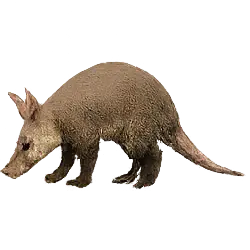
Aardvark
The aardvark is a nocturnal African mammal known for its long snout, strong digging…
Baca panduan spesies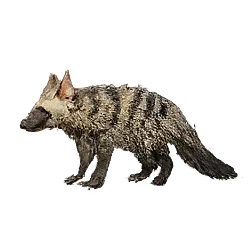
Aardwolf
The aardwolf is a small striped relative of hyenas that feeds mainly on termites rather…
Baca panduan spesies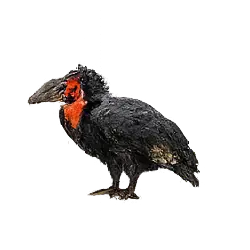
Abyssinian Ground Hornbill
Abyssinian Ground Hornbill is a bird known for bare red facial skin, huge…
Baca panduan spesiesLebih banyak hewan dengan kekuatan Defense
Jelajahi semua hewan Defense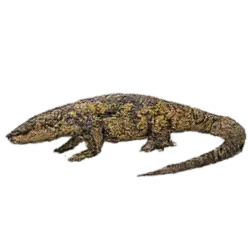
Ackie Monitor
Ackie Monitor is a reptile known for spiny defensive tail, compact muscular monitor…
Baca panduan spesies
African Pygmy Hedgehog
African Pygmy Hedgehog teaches Spined Night Foraging through a small nocturnal body…
Baca panduan spesies
American Badger
American Badger turns Burrow Strategy into muscular problem-solving, using claws,…
Baca panduan spesiesBawa ensiklopedia ke dunia nyata
AnimalDex membantumu memindai hewan nyata, mengidentifikasi spesies, mengoleksi kartu, dan belajar dari alam di mana pun kamu berada.
Panduan blog terkait
Lanjutkan belajar lewat artikel praktis yang terhubung dengan spesies ini.
Biomimicry in Animals: 35 Examples of Nature-Inspired Design
Discover 35 examples of biomimicry in animals, from shark skin and gecko feet to owl wings, elephant trunks, whale fins, spider silk, dolphins, ants, bees, and more.
Baca artikel blogMuncul di tier list
Lihat posisi spesies ini di halaman tier list AnimalDex yang dibangun dengan perbandingan terstruktur dan metodologi yang jelas.
#2 · Armor
Animals with the Strongest Armor: Top 100 Tier List
Pangolin deserves a top slot because its whole defensive system is built around hard, layered protection.
Baca tier list#2 · Rarity
Rarest Animals in the World: Top 250 Tier List
Sunda pangolin belongs near the top because illegal trade has pushed it into one of the harshest pressure profiles in the dataset.
Baca tier list