
Panduan lapangan hewan
Tapanuli Orangutan
Identifikasi, habitat, rarity, perilaku, simbolisme, fakta, dan pelajaran praktis dari alam.
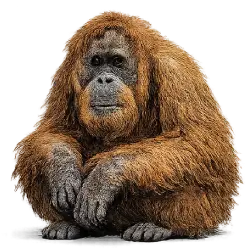
The Highland Orange Builder. The Tapanuli Orangutan uses careful hands and long arms to build nests and move through mountain forest canopies with patience. It teaches us that thoughtful work can be a kind of strength.
Kartu AnimalDex
Buka kartu hewan ini
Pindai atau tangkap hewan ini dengan AnimalDex untuk membuka kartu koleksi dan menambahkannya ke koleksi satwa liarmu.
Dapatkan AnimalDexNama ilmiah
Pongo tapanuliensis
Kategori
Primate
Habitat
montane rainforest, steep valley forest, and fragmented upland canopy
Rarity
Very rare · 98/100
Native range
Batang Toru, North Sumatra
Highland Nestcraft
Build above the mountain.
Mountain Canopy Bed Building
Apa yang diajarkannya
Thoughtful work becomes strength when it can make a home above the ground.
Coba
A quiet reading corner turns a noisy house into a safe place to think.
Bukti alam
Tapanuli Orangutans are highly arboreal great apes that build nests in trees and live in a restricted highland forest range in Sumatra.
Gunakan untuk
Tangkapan Tapanuli Orangutan berperingkat
Belum ada tangkapan komunitas berperingkat untuk spesies ini.
Mengapa Highland Nestcraft?
Alasan di balik Prinsip Hewan ini dan biologi yang mendukungnya.
Tapanuli Orangutan is a primate known for shaggy mountain coat, isolated forest adaptation, and careful branch and ridge travel.
Cara mengidentifikasi Tapanuli Orangutan
- shaggy mountain coat
- isolated forest adaptation
- careful branch and ridge travel
- Often associated with montane rainforest, steep valley forest, and fragmented upland canopy
Kenapa Tapanuli Orangutan menarik
- Tapanuli Orangutan is a useful example of how anatomy and habitat fit together as one survival system.
- Its shape, movement style, and food strategy make it easy to compare with related animals.
- This species turns one page into a lesson about adaptation, ecosystem role, and identification.
Habitat: montane rainforest, steep valley forest, and fragmented upland canopy
Native range: Batang Toru, North Sumatra
nativeRangeCardTitle
nativeRangeCardDescription
montane rainforest, steep valley forest, and fragmented upland canopy
To find Tapanuli Orangutan in the wild, focus on the exact habitat patches that match its body design and daily behavior, not just the broad country where it exists. You usually do better by working one good piece of habitat inside batang Toru, North Sumatra than by covering too much ground.
- Forest edge, canopy gaps, fruiting trees, or shaded trails where cover and food meet
- Sunlit logs, exposed branches, warm rocks, or regular perch sites used for scanning
- Protected habitat blocks within batang Toru, North Sumatra
- Start early, pick one strong patch of habitat, and stay long enough for movement to return after you arrive.
- Work edges, clearings, fruiting trees, and stream crossings rather than walking randomly through dense cover.
- Move quietly, stop often, and give the habitat time to settle; many mammals and insects show themselves only after the first pause.
They eat fruits, leaves, bark, flowers, insects, and seasonal forest foods. This flexible diet fits Highland Nestcraft because thoughtful foraging supports a life spent mostly above ground.
Habitat fragmentation, human conflict, and slow reproduction are major threats. Their intelligence cannot protect them without continuous forest to build in.
They are mostly diurnal, traveling, feeding, and building sleeping nests before night. The day ends by making a home with intention.
Orangutans can live for many decades. Long life gives learned routes, nestcraft, and food knowledge great importance.
Females usually raise one infant at a time with long maternal care, teaching movement, food choice, and forest life. Each offspring represents years of investment.
Males become much larger than females and may develop cheek pads, while females remain smaller and carry young. The contrast shows different roles within a slow, intelligent life history.
- Tapanuli Orangutan adjusts movement and feeding to match light, temperature, and food access in its habitat.
- Body design, timing, and shelter choices all help this species stay effective in the wild.
- Patient observation usually reveals more behavior than close approach or fast movement.
Tapanuli Orangutan most often symbolizes highland nestcraft in AnimalDex because its real survival behavior repeatedly shows this pattern.
Thoughtful work becomes strength when it can make a home above the ground.
Tapanuli Orangutans are highly arboreal great apes that build nests in trees and live in a restricted highland forest range in Sumatra.
- Keep distance and let the animal choose the space.
- Avoid blocking movement routes, nesting areas, or feeding behavior.
- Use optics, patience, and quiet observation instead of crowding for a closer view.
- Regional relatives may look similar at a distance.
- Juveniles, adults, and seasonal forms can differ in color or size.
- Light, angle, and habitat context can change how field marks appear.
statsTitle
statsDescription
statsSourceLabel: statsSourceSpeciesProfile
dominanceStat
70
speedStat
42
sizeStat
55
intelligenceStat
94
rarityStat
98%
Total
359
Size scale
Large
Uses the canonical size stat for consistent placement




US$354 – US$734
Perkiraan rentang nilai
Kepercayaan 69%
Perkiraan nilai AnimalDex dibuat dari stat spesies kanonik.
Not a marketplace listing.
Perkiraan nilai berdasarkan hewan yang teridentifikasi dan konteks harga yang tersedia. Bukan daftar marketplace.
Seberapa langka Tapanuli Orangutan?
Rarity: Very rare (98/100)
Tapanuli Orangutan depends on a narrow or fragile habitat base, so pressure on montane rainforest, steep valley forest, and fragmented upland canopy can affect it quickly.
Public Animal Power
Explore this Animal Power
This is a public capture, so you can explore its Animal Power here. Personal Apex matches and challenges use your Wild Profile and animals you own.
Own an animal with this power to use it in Growth challenges.
Hewan terkait
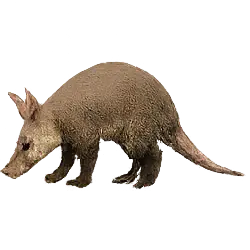
Aardvark
The aardvark is a nocturnal African mammal known for its long snout, strong digging…
Baca panduan spesies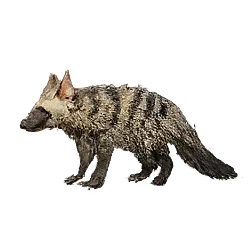
Aardwolf
The aardwolf is a small striped relative of hyenas that feeds mainly on termites rather…
Baca panduan spesies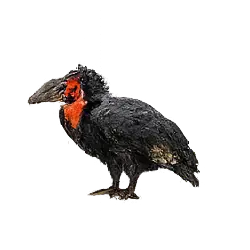
Abyssinian Ground Hornbill
Abyssinian Ground Hornbill is a bird known for bare red facial skin, huge…
Baca panduan spesiesLebih banyak hewan dengan kekuatan Canopy Life
Jelajahi semua hewan Canopy Life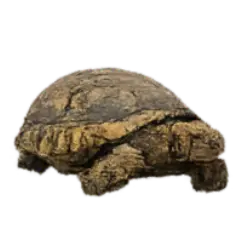
Aldabra Giant Tortoise
Aldabra Giant Tortoise is a reptile known for immense domed shell, very long lifespan,…
Baca panduan spesies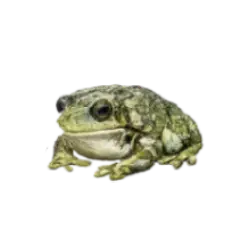
Amazon Milk Frog
Amazon Milk Frog is a amphibian known for big silver-rimmed eyes, banded brown-and-blue…
Baca panduan spesies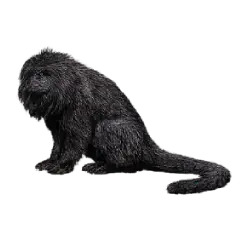
Black Howler Monkey
Black Howler Monkey is a mammal known for booming long-distance calls, prehensile tail,…
Baca panduan spesiesBawa ensiklopedia ke dunia nyata
AnimalDex membantumu memindai hewan nyata, mengidentifikasi spesies, mengoleksi kartu, dan belajar dari alam di mana pun kamu berada.