
Panduan lapangan hewan
Thorny Oyster
Identifikasi, habitat, rarity, perilaku, simbolisme, fakta, dan pelajaran praktis dari alam.
spined reef jewel. Thorny oysters are colorful Spondylus — spined reef cementers that look like oysters but are scallop kin.

Kartu AnimalDex
Buka kartu hewan ini
Pindai atau tangkap hewan ini dengan AnimalDex untuk membuka kartu koleksi dan menambahkannya ke koleksi satwa liarmu.
Dapatkan AnimalDexNama ilmiah
Spondylidae
Kategori
Animal
Habitat
Reefs, rocks, shells, and hard marine substrates fit because Rooting needs the exact kind of setting where this animal's body and behavior can work instead of fighting the environment.
Rarity
Uncommon · 67/100
Native range
Warm marine regions worldwide, depending on species.
Spined Display
Stand spined.
Armor can also advertise.
Apa yang diajarkannya
Strong defenses can still be vivid and hard to ignore.
Coba
A new house becomes home after the first tree is planted.
Bukti alam
Thorny oysters cement to reef and grow long spines that deter predators while showing bold color on tropical hard bottoms.
Gunakan untuk
Tangkapan Thorny Oyster berperingkat
Belum ada tangkapan komunitas berperingkat untuk spesies ini.
Mengapa Spined Display?
Alasan di balik Prinsip Hewan ini dan biologi yang mendukungnya.
Spiny Oyster teaches Rooting because its real biology turns fixed ornamental bivalve traits into a usable survival lesson. The creator-why is not just appearance; habitat, food, danger, daily rhythm, lifespan, offspring, and sex differences all point back to how this animal solves its world.
Cara mengidentifikasi Thorny Oyster
- Rooting expressed through fixed ornamental bivalve body design
- Habitat choice explains why the lesson works
- Feeding strategy shows how the animal solves its world
- Defense, rhythm, offspring, and sex cues repeat the same creator-why
Kenapa Thorny Oyster menarik
- Spiny Oyster has a field-guide lesson based on ecology, not appearance alone.
- Its habitat matters because the principle needs the right setting to become useful.
- Its food and predators explain the pressure behind the behavior.
- Its daily rhythm and reproduction show how the strategy continues over time.
Habitat: Reefs, rocks, shells, and hard marine substrates fit because Rooting needs the exact kind of setting where this animal's body and behavior can work instead of fighting the environment.
Native range: Warm marine regions worldwide, depending on species.
To find Thorny Oyster in the wild, focus on the exact habitat patches that match its body design and daily behavior, not just the broad country where it exists. You usually do better by working one good piece of habitat inside warm marine regions worldwide, depending on species. than by covering too much ground.
- Headlands, reef edges, island colonies, tidal channels, or productive coastal water
- Sunlit logs, exposed branches, warm rocks, or regular perch sites used for scanning
- Protected habitat blocks within warm marine regions worldwide, depending on species.
- Start early, pick one strong patch of habitat, and stay long enough for movement to return after you arrive.
- Time your search around tide, wind, and visibility, then focus on feeding lines, reef edges, and known haul-out or nesting spots.
- Move quietly, stop often, and give the habitat time to settle; many mammals and insects show themselves only after the first pause.
Plankton and suspended particles filtered from water support the principle because the animal's feeding method shows how it turns available resources into survival instead of chasing a mismatched life.
Fish, crabs, snails, sea stars, and humans threaten it. These dangers matter because they explain why its defenses, caution, grouping, camouflage, or speed are not decoration but necessary strategy.
Sessile filtering rhythm follows currents more than sleep fits because its activity rhythm places effort when the animal has the best chance to feed, avoid danger, or communicate clearly.
Many years when attached to stable substrate fits the lesson because the pace of life matches the animal's strategy: some succeed through quick seasonal timing, others through durable patience.
Broadcast spawning releases gametes into water fit the creator-why because reproduction places the next generation where the same survival strategy can begin again.
Sexes usually cannot be told from shell alone. This matters because sex differences either create obvious signals or show that behavior, age, and place are more important than display.
- Rooting expressed through fixed ornamental bivalve body design
- Habitat choice explains why the lesson works
- Feeding strategy shows how the animal solves its world
- Defense, rhythm, offspring, and sex cues repeat the same creator-why
Thorny Oyster most often symbolizes spined display in AnimalDex because its real survival behavior repeatedly shows this pattern.
Strong defenses can still be vivid and hard to ignore.
Thorny oysters cement to reef and grow long spines that deter predators while showing bold color on tropical hard bottoms.
- Observe from a respectful distance and avoid changing the animal's behavior.
- Do not block feeding, shelter, nesting, or travel routes.
- Use a live camera capture without handling or staging wildlife.
statsTitle
statsDescription
statsSourceLabel: statsSourceSpeciesProfile
dominanceStat
28
speedStat
1
sizeStat
18
intelligenceStat
5
rarityStat
67%
Total
119
Size scale
Small
Uses the canonical size stat for consistent placement
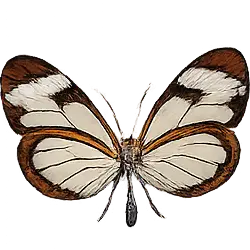




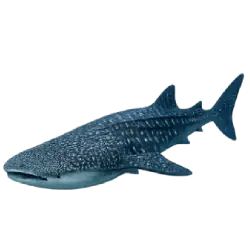
US$1.000 – US$25.000
Perkiraan rentang nilai
Kepercayaan 68%
Perkiraan nilai AnimalDex menggunakan baseline stewardship global untuk spesies ini.
Not a marketplace listing.
Perkiraan nilai berdasarkan hewan yang teridentifikasi dan konteks harga yang tersedia. Bukan daftar marketplace.
Seberapa langka Thorny Oyster?
Rarity: Uncommon (67/100)
AnimalDex canonical rarity score: 67/100, maintained by the live indexed species profile.
Public Animal Power
Explore this Animal Power
This is a public capture, so you can explore its Animal Power here. Personal Apex matches and challenges use your Wild Profile and animals you own.
Own an animal with this power to use it in Growth challenges.
Hewan terkait
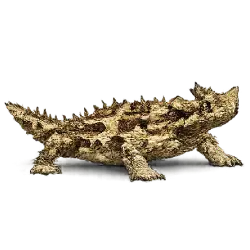
Thorny Devil
The thorny devil is a spiky desert lizard famous for camouflage, ant feeding, and skin…
Baca panduan spesies
Thorny Stick Insect
The Thorny Stick Insect teaches layered protection. It hides like a twig, and if found,…
Baca panduan spesies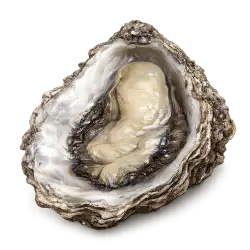
True Oyster
True oysters (Ostreidae) are the classic edible oysters. Shells are irregular and…
Baca panduan spesiesLebih banyak hewan dengan kekuatan Defense
Jelajahi semua hewan Defense
Ackie Monitor
Ackie Monitor is a reptile known for spiny defensive tail, compact muscular monitor…
Baca panduan spesies
African Pygmy Hedgehog
African Pygmy Hedgehog teaches Spined Night Foraging through a small nocturnal body…
Baca panduan spesies
American Badger
American Badger turns Burrow Strategy into muscular problem-solving, using claws,…
Baca panduan spesiesBawa ensiklopedia ke dunia nyata
AnimalDex membantumu memindai hewan nyata, mengidentifikasi spesies, mengoleksi kartu, dan belajar dari alam di mana pun kamu berada.