
Panduan lapangan hewan
Whale Shark
Identifikasi, habitat, rarity, perilaku, simbolisme, fakta, dan pelajaran praktis dari alam.
The Polka-Dot Ocean Giant. The Whale Shark uses a giant spotted body and a huge filtering mouth to cruise warm seas for tiny drifting food. It shows us that great size can still move with gentleness.
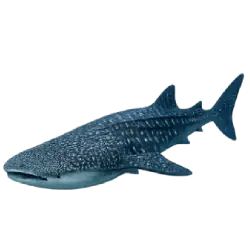
Kartu AnimalDex
Buka kartu hewan ini
Pindai atau tangkap hewan ini dengan AnimalDex untuk membuka kartu koleksi dan menambahkannya ke koleksi satwa liarmu.
Dapatkan AnimalDexNama ilmiah
Rhincodon typus
Kategori
Marine fish
Habitat
Warm coastal waters, offshore fronts, reefs, and seasonal plankton aggregation sites.
Rarity
Uncommon · 68/100
Native range
Tropical and warm temperate oceans worldwide.
Gentle Scale
Be vast, feed gently.
Giant Filter Feeding
Apa yang diajarkannya
Greatness does not need to devour loudly to be immense.
Coba
Your success feels bigger when it stays gentle and shares the room.
Bukti alam
Whale Sharks are the largest fish and feed mainly by filtering plankton and small organisms through huge mouths while cruising warm seas.
Gunakan untuk
Tangkapan Whale Shark berperingkat
Belum ada tangkapan komunitas berperingkat untuk spesies ini.
Mengapa Gentle Scale?
Alasan di balik Prinsip Hewan ini dan biologi yang mendukungnya.
The whale shark is the largest fish on Earth, a slow-moving filter feeder that cruises productive tropical waters for plankton and small schooling prey.
Cara mengidentifikasi Whale Shark
- Huge broad head and terminal mouth on a thick torpedo-like body
- White spots and pale lines arranged over dark grey-blue skin
- Very wide tail and slow unhurried swimming near the surface when feeding
Kenapa Whale Shark menarik
- Whale sharks are striking examples of giant size built around filtering rather than high-speed predation.
- They are flagship species for marine tourism, but also for careful management of wildlife encounters.
Habitat: Warm coastal waters, offshore fronts, reefs, and seasonal plankton aggregation sites.
Native range: Tropical and warm temperate oceans worldwide.
To find Whale Shark in the wild, focus on the exact habitat patches that match its body design and daily behavior, not just the broad country where it exists. You usually do better by working one good piece of habitat inside tropical and warm temperate oceans worldwide. than by covering too much ground.
- Headlands, reef edges, island colonies, tidal channels, or productive coastal water
- Protected habitat blocks within tropical and warm temperate oceans worldwide.
- First light and late afternoon are often best, when animals come out to feed along the edge of water.
- Time your search around tide, wind, and visibility, then focus on feeding lines, reef edges, and known haul-out or nesting spots.
- Choose a viewing point with clean light and water visibility, then watch for repeated surfacing, feeding, or current lines.
Whale Shark feeds on plankton, small fish, fish eggs, and tiny drifting animals. The diet fits the lesson because its food is not random; it is reached by the same tools and habits that define the animal’s principle.
Whale Shark is moves and feeds through day and night, often following food blooms. This rhythm matters because the animal’s lesson works on a schedule, repeating the same survival pattern until it becomes natural.
Whale Shark believed to live many decades and possibly over a century. Its lifespan gives the principle time to matter: small habits, strong design, and careful timing compound across seasons.
females give birth to live young after eggs develop inside the body. This offspring pattern connects to the lesson because the next generation begins inside the same habitat pressures that shaped the adults.
females tend to grow larger than males. The difference matters only where it changes display, size, care, or competition; the core principle still belongs to the species as a whole.
- Filter feeds near dense plankton or fish spawn events
- Travels long distances between productive marine zones
- Often tolerates shallow surface feeding when conditions are right
Whale Shark most often symbolizes gentle scale in AnimalDex because its real survival behavior repeatedly shows this pattern.
Greatness does not need to devour loudly to be immense.
Whale Sharks are the largest fish and feed mainly by filtering plankton and small organisms through huge mouths while cruising warm seas.
- Keep fins, cameras, and boats clear of the animal’s path.
- Do not block the head or feeding line during surface passes.
- Basking shark
- Large shark silhouette from above
- Manta ray at quick glance
statsTitle
statsDescription
statsSourceLabel: statsSourceSpeciesProfile
dominanceStat
55
speedStat
42
sizeStat
100
intelligenceStat
38
rarityStat
68%
Total
303
Size scale
Colossal
Uses the canonical size stat for consistent placement



US$316 – US$656
Perkiraan rentang nilai
Kepercayaan 69%
Perkiraan nilai AnimalDex dibuat dari stat spesies kanonik.
Not a marketplace listing.
Perkiraan nilai berdasarkan hewan yang teridentifikasi dan konteks harga yang tersedia. Bukan daftar marketplace.
Seberapa langka Whale Shark?
Rarity: Uncommon (68/100)
Whale sharks range widely but are vulnerable to vessel strikes, fishing pressure, and dependence on specific seasonal feeding hotspots.
Systems Intelligence & Hidden Purpose
Sudut pandang systems biology untuk melihat bagaimana spesies ini dibangun, peran apa yang dijalankannya di ekosistem, dan pelajaran praktis apa yang bisa dipetik manusia.
System Role
The Pelagic Filter Cruiser
Whale Shark
Specialized Hardware
An enormous mouth, fine filtering structures, and low-cost cruising mechanics allow the whale shark to process huge volumes of plankton-rich water without high-speed pursuit.
Systems Script
Whale sharks connect surface productivity to larger marine food webs by converting diffuse plankton pulses into mobile biomass. Their movement patterns also mark productive ocean zones where energy concentrates seasonally.
Strategic Insight
Scale does not always come from chasing more targets. Sometimes it comes from building a system that can process volume efficiently once the flow arrives.
Public Animal Power
Explore this Animal Power
This is a public capture, so you can explore its Animal Power here. Personal Apex matches and challenges use your Wild Profile and animals you own.
Own an animal with this power to use it in Growth challenges.
Hewan terkait
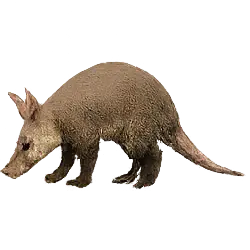
Aardvark
The aardvark is a nocturnal African mammal known for its long snout, strong digging…
Baca panduan spesies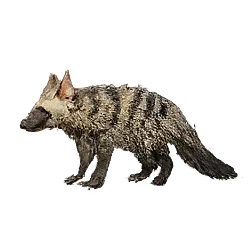
Aardwolf
The aardwolf is a small striped relative of hyenas that feeds mainly on termites rather…
Baca panduan spesies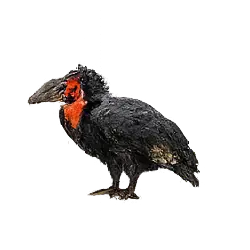
Abyssinian Ground Hornbill
Abyssinian Ground Hornbill is a bird known for bare red facial skin, huge…
Baca panduan spesiesLebih banyak hewan dengan kekuatan Gentle Power
Jelajahi semua hewan Gentle Power
Amazonian Manatee
Amazonian Manatee expresses Rivergentle through rounded aquatic body, slow grazing,…
Baca panduan spesies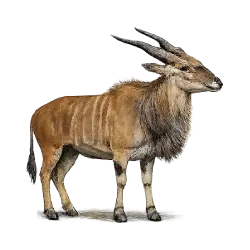
Giant Eland
Giant Eland is a mammal known for very large antelope build, spiraled horns, and deep…
Baca panduan spesies
Gray Whale
Gray Whale expresses Benthicturn through long migration, mottled gray body, bottom…
Baca panduan spesiesBawa ensiklopedia ke dunia nyata
AnimalDex membantumu memindai hewan nyata, mengidentifikasi spesies, mengoleksi kartu, dan belajar dari alam di mana pun kamu berada.
Panduan blog terkait
Lanjutkan belajar lewat artikel praktis yang terhubung dengan spesies ini.
How Whale Sharks Feed at Ocean Scale
Understand whale shark behavior, filter-feeding survival strategy, ecosystem role, and how the largest fish on Earth thrives without acting like a classic predator.
Baca artikel blogMuncul di tier list
Lihat posisi spesies ini di halaman tier list AnimalDex yang dibangun dengan perbandingan terstruktur dan metodologi yang jelas.
#10 · Armor
Animals with the Strongest Armor: Top 100 Tier List
Whale shark rounds out the list because even gentle giants can carry serious passive protection.
Baca tier list