peregrine falconfastest animalsbirds of prey
How Fast Is a Peregrine Falcon? 389 km/h, Then It Stops
A peregrine falcon can dive at 389 km/h, yet does most of its hunting sitting still. How it steers like a missile, pulls out, and picks its moment.
Dalam panduan ini
- How fast is a peregrine falcon?
- Faster than a cheetah, and a record nobody can check
- What is a stoop? A dive nobody could explain
- It steers like a guided missile
- 25 g or 3 g? The fight over the pull-out
- A falcon that hunts before dawn
- Five hours of hunting in a month
- The fastest bird on Earth knows when to stop
The short answer
Quick answer
The fastest animal on Earth, the peregrine falcon, hits 389 km/h (242 mph) in a dive, yet does most of its hunting from a perch. That Guinness record is for its stoop, and ordinary hunting dives often pass 320 km/h (200 mph). In level flight, the fastest confirmed bird is the common swift, at 111.5 km/h.
The record
How fast is a peregrine falcon?
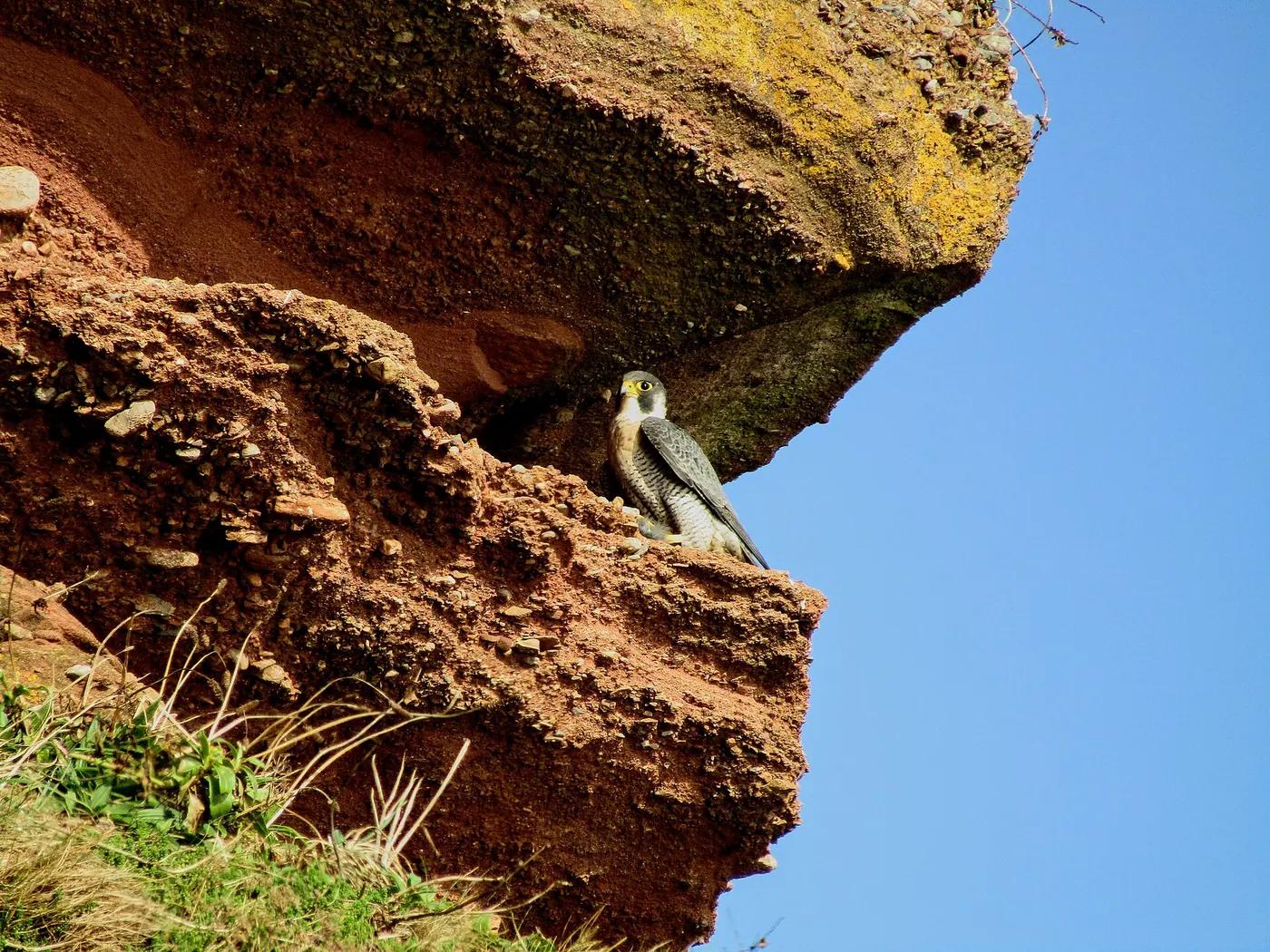
The fastest animal alive does most of its hunting sitting still. The peregrine falcon, Falco peregrinus, holds the Guinness record for the fastest dive ever measured: 389 km/h (242 mph).
That is not a lucky one-off. In ordinary hunting dives, peregrines often pass 320 km/h (200 mph), and Britannica puts the dive at over 300 km/h. No animal has been recorded moving faster, which is why it sits at the top of lists of the fastest animals.
Yet when Cornell's Birds of the World describes how peregrines find prey, the most common method is not flying at all. It is watching from a perch. The speed comes out in short bursts, in a dive the falcon starts, aims and ends on purpose.
This is a bird that breeds on every continent except Antarctica and hunts from the Empire State Building as readily as from a radio antenna in Norway. So the real question is not just how fast it goes. It is why it goes that fast so rarely.
Speed check
Faster than a cheetah, and a record nobody can check
Yes, the peregrine beats the cheetah, by more than three times. The cheetah's highest reliably recorded sprint is about 104 km/h, though some sources say 110 km/h. A peregrine in a full stoop goes past 300.
It is not a fair race. The falcon is falling with gravity on its side, while the cheetah is running across flat ground. Comparing them is like comparing a skydiver with a sprinter.
The stranger fight is over level flight. Guinness lists the white-throated needletail at 170 km/h, which would make it the fastest bird flying flat out. But the method behind that number was never published or verified, so nobody can check how it was measured.
Set aside what cannot be checked and the fastest confirmed level flight by any bird belongs to the common swift, at 111.5 km/h. One record sits in the book; a smaller one is the one you can actually trust.
So the precise claim is this: the peregrine is the fastest animal on Earth in a dive. For the full line-up on land, in water and in the air, see the 15 fastest animals ranked.
| Animal | Top speed | How it moves | How solid is the figure? |
|---|---|---|---|
| Peregrine falcon | 389 km/h record; often over 320 km/h | Diving (stoop) | Guinness record |
| White-throated needletail | 170 km/h | Level flight | Listed by Guinness; method never published or verified |
| Common swift | 111.5 km/h | Level flight | Fastest confirmed level flight by a bird |
| Cheetah | About 104 km/h | Running | Highest reliably recorded; some sources say 110 km/h |
Comparing them is like comparing a skydiver with a sprinter.
white-throated needletailcommon swift15 fastest animals ranked
The stoop
What is a stoop? A dive nobody could explain
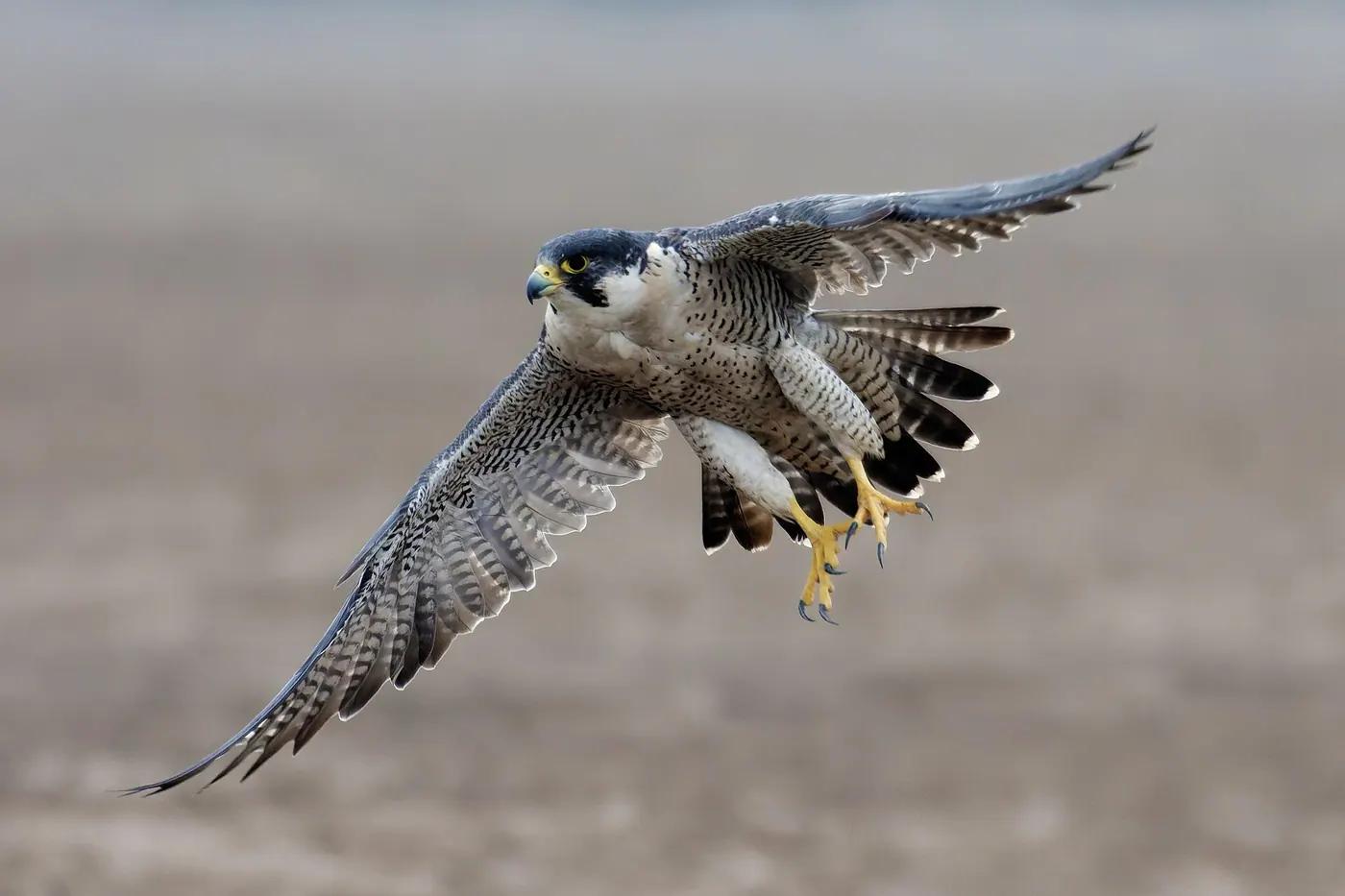
A stoop is a steep, controlled dive onto prey from above. Other birds of prey stoop too. The peregrine just does it faster than anything else alive.
Here is the strange part: until recently, nobody could say for sure why it bothers. Scientists had two old explanations. Diving might save energy, or it might simply catch more prey. A 2018 paper in PLOS Computational Biology pointed out that neither had been proven.
Wild hunting success is very hard to measure. It changes with the falcon's experience, whether it is breeding, the season and the prey species. And many dives are too fast for anyone watching to see how they end.
There was even a reason to suspect that faster could be worse. Speed buys surprise, but it might cost precision, and a falcon moving that fast could struggle to follow a target that suddenly turns.
Missile mode
It steers like a guided missile
A peregrine catches birds in mid-air the way a missile hits a target. As ScienceDaily reported, earlier work by the same research team fitted a peregrine with video cameras and GPS and found it attacks using the same steering rules as human-made missiles.
The rule is called proportional navigation. The falcon tracks how fast its line of sight to the prey is swinging, multiplies that by a fixed number called the navigation constant, N, and turns to match. It does not need to know where it is or where the prey is. It only needs the direction to its target and its own speed.
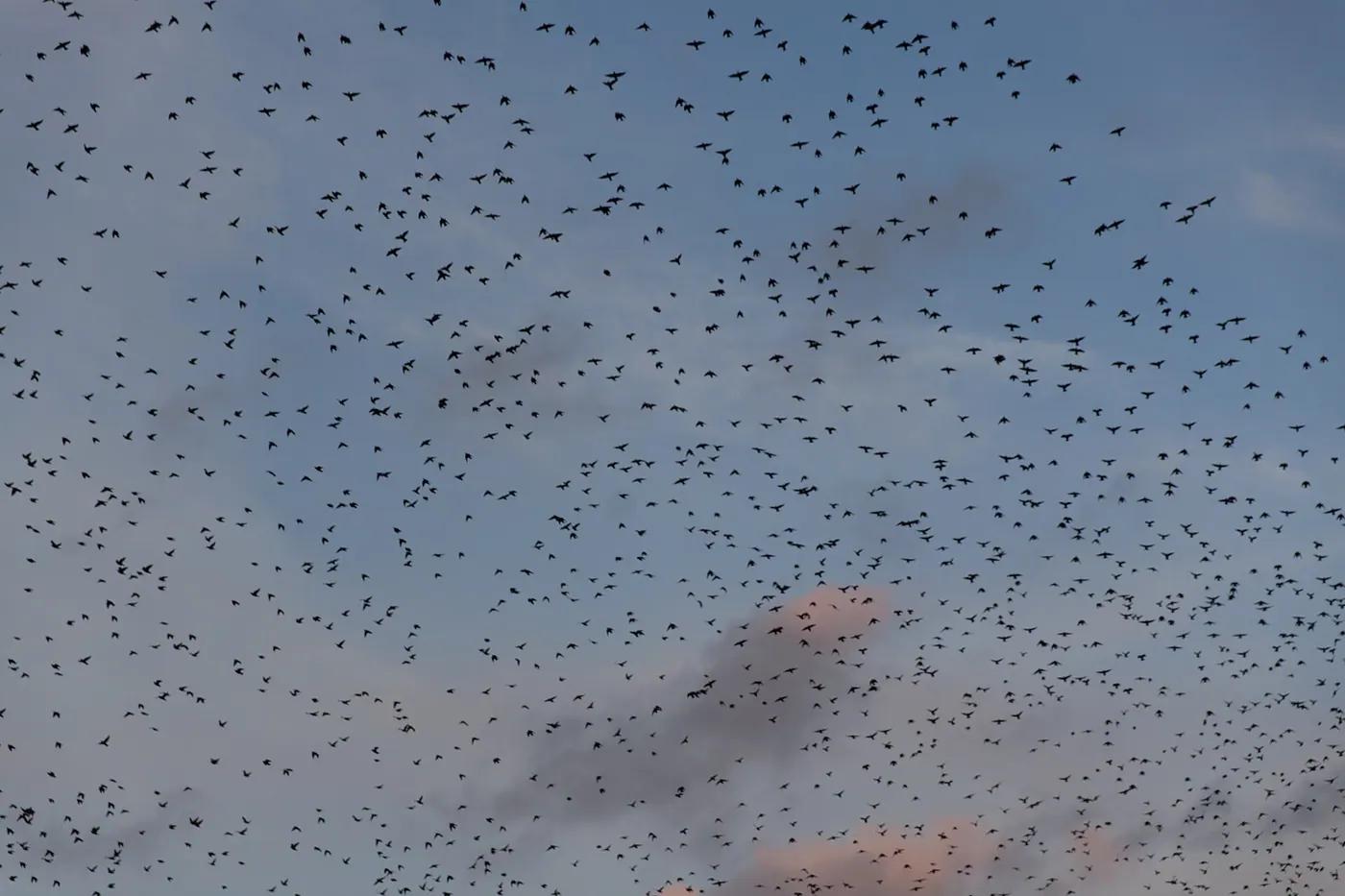
In 2018, Robin Mills, Hanno Hildenbrandt and Charlotte Hemelrijk at the University of Groningen, with Graham Taylor at Oxford, built a physics-based simulation of falcons attacking common starlings. The model included how birds flap and tuck their wings, and the delay before a falcon reacts to what it sees. The virtual starlings flew straight, turned smoothly, or jinked, the zig-zag a bird throws when it spots a threat.
After running the attacks millions of times, the team found that diving fast gave the falcon “much higher aerodynamic forces for maneuvering”. Diving also reduced its roll inertia, so it could roll into a turn more easily. The speed was not mainly about arriving first. It bought the force to turn hard enough to grab a bird that dodges.
There was a condition. The fast stoop only worked with “a tightly tuned guidance law, and exquisitely precise vision and control.” When the researchers tuned the model's steering for the best catch rate, the settings closely matched steering measured in real falcons.
One more twist separates bird from missile. Missiles are so fast that gravity barely affects them, but in birds gravity “dominates the dynamics”, which changes what the best attack looks like. As Mills put it, “Our simulations reveal why peregrines have evolved to dive from great heights, and at speeds faster than any other animal.”
The speed isn't mainly for getting there first. It buys the force to turn hard enough to grab a bird that dodges.
The pull-out
25 g or 3 g? The fight over the pull-out
A falcon survives a 300 km/h dive by ending it on purpose. A stoop can finish with the falcon pulling out only metres above the ground, or with a massive mid-air blow to its prey.
How hard that pull-out is remains a live argument. Popular accounts from Meigs Point Nature Center and a guest post on the Surrey Wildlife Trust blog put a stooping peregrine at up to 25 g, with some saying it usually reaches that.
Measurement tells a smaller story. A study titled “The Peregrine Falcon's Dive: On the Pull-Out Maneuver and Flight Control Through Wing-Morphing” recorded a falcon pulling out in a controlled setting at load factors of up to 3 g. That is one bird under controlled conditions, set against a widely repeated figure more than eight times higher. Until more wild stoops are measured, the gap stays open.
The same study found something stranger than either number: falcons change the shape of their wings during the pull-out, which may give them an edge over the prey they are chasing.
And not every dive is deadly serious. The 2018 PLOS paper notes that falcons sometimes seem to be practising, or playing with prey.
Lights on
A falcon that hunts before dawn
In one Norwegian town, a peregrine falcon made more than half its kills before sunrise. Over 30 days in November and December 2019, Bjarne Emil Time watched it hunt from the top of a 43 m antenna in Bryne, in south-west Norway.
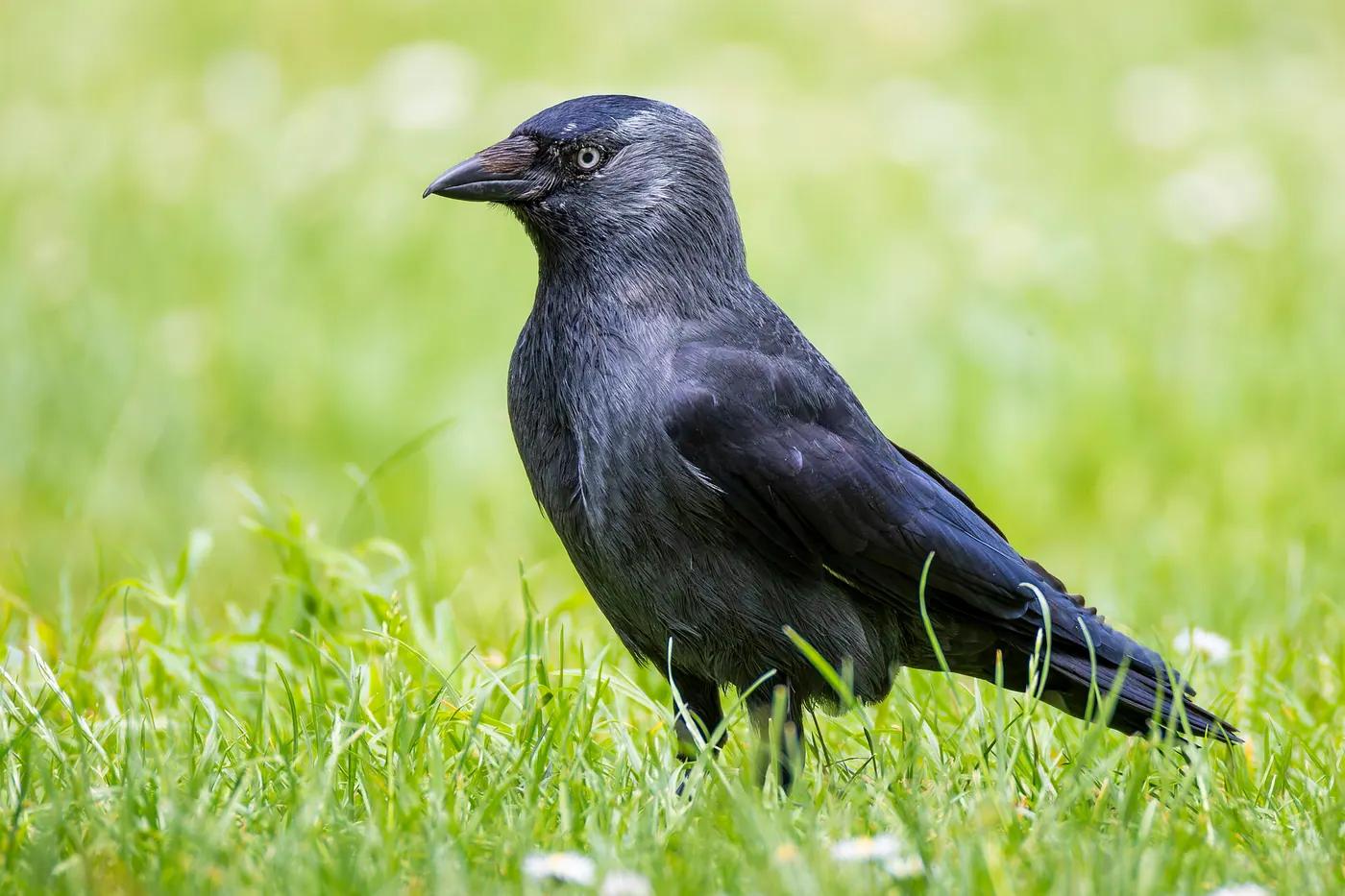
Its menu never changed. Every target was one of the jackdaws from a winter roost of several thousand crows and their relatives. Of its kills, 54% came before sunrise.
That number needs careful reading. In a Norwegian November and December, the hours before sunrise run from full night into a long twilight, and the 54% counts kills, not time spent hunting. What it does show is a falcon doing much of its killing before the day had properly begun.
This is not a quirk of one bird. City peregrines are known to hunt at night using artificial light; DeCandido and Allen recorded it at the Empire State Building in New York in 2009. In England, a 20-year study of urban sites by Dixon and Drewitt, published in 2018, listed 102 prey species.
For a bird whose numbers crashed in the 1960s because of pesticides, that is quite a turnaround. Populations have been rising gradually since, the IUCN lists the peregrine as Least Concern, and Norway alone has about 1,100 pairs.
54% of its kills came before sunrise.
The numbers
Five hours of hunting in a month
The Bryne falcon missed most of the time. It made 42 attacks and caught something in 13 of them, a success rate of 31%. That beats one daylight benchmark, about 23% against starling flocks (Zoratto and colleagues, 2010), though falcons hunting dunlin in Buchanan and Herman's 1986 study managed 47%.
Its misses were often quick. Nine failed attacks were over in a minute or less, and across the whole study the falcon flew for just 225 minutes in total.
Time also measured something he could find no other published figure for, which he calls hunting time efficiency. Of 308 minutes spent hunting, 79 went on attacks that ended in a kill: 26%.
Which brings you to the most outrageous number in this story. Over 30 days, this falcon spent about five hours hunting in total, and needed an average of just 6 minutes per kill, with a range of 1 to 16 minutes.
Time suggests that after a failed attack the falcon may have taken several short breaks on top of the antenna, describing dives and chases as “physically demanding”. That is his reading of the behaviour, not a measurement. But it fits everything else: short bursts, long waits.
Over 30 days, one falcon spent about five hours hunting in total, and needed just 6 minutes per kill.
The idea
The fastest bird on Earth knows when to stop
Put it all together and the peregrine's speed looks less like a habit and more like a decision. It watches from a perch or an antenna, picks its moment, commits to one steep dive, steers it with what the 2018 paper calls “exquisitely precise vision and control”, and pulls out before the ground.
The 389 km/h is real, but it does not win on its own. In the simulations, speed only paid off when the steering was tightly tuned. In Bryne, a whole month of hunting came down to about five hours of work.
The falcon never throws everything at a target. It watches, waits, and spends its 389 km/h on one moment it has chosen.
On AnimalDex, you can take your own idea to the peregrine falcon in Talk and hear how a bird that hunts this way would see it.
Pertanyaan singkat
Jawaban ringkas untuk pertanyaan yang paling sering muncul pada topik ini.
- How fast is a peregrine falcon?
- In a dive, or stoop, a peregrine falcon is the fastest animal on Earth. The Guinness record is 389 km/h (242 mph), and ordinary hunting dives often exceed 320 km/h (200 mph).
- Is the peregrine falcon faster than a cheetah?
- Yes. A cheetah's highest reliably recorded sprint is about 104 km/h, while a diving peregrine goes more than three times faster. The comparison is not like for like, though, because the falcon is diving and the cheetah is running on flat ground.
- What is a stoop?
- A stoop is a steep, controlled hunting dive onto prey from above. Simulations published in 2018 suggest its high speed gives the falcon the aerodynamic force to turn sharply and catch prey that dodges.
- Do peregrine falcons hunt at night?
- City peregrines can hunt at night using artificial light, and it has been recorded at the Empire State Building in New York. One falcon in Bryne, Norway, hunted jackdaws from a 43 m antenna and made 54% of its kills before sunrise, a window that in November and December includes both darkness and twilight.
- How often do peregrine falcons miss their prey?
- More often than they succeed. The Bryne falcon caught prey in 31% of its attacks, while other studies found about 23% success against starling flocks and 47% against dunlin.
- What is the fastest bird in level flight?
- The fastest confirmed level flight belongs to the common swift, at 111.5 km/h. Guinness lists the white-throated needletail at 170 km/h, but the method behind that figure was never published or verified.
Hewan yang disebut
Lompat dari artikel ini ke halaman spesies di balik contoh, catatan systems, dan referensi field guide.
Sources and further reading
- PLOS Computational Biology: Physics-based simulations of aerial attacks by peregrine falcons reveal that stooping at high speed maximizes catch success against agile prey
- ScienceDaily: Extremely fast dives help peregrine falcons maneuver to catch agile prey
- Ornis Norvegica: Hunting success and efficiency of an urban Peregrine Falcon
- WorldAtlas: The Fastest Birds In The World
- Wikipedia: List of birds by flight speed
- Britannica: Peregrine falcon
- Cornell Birds of the World: Diet and Foraging – Peregrine Falcon
- ResearchGate: The Peregrine Falcon's Dive: On the Pull-Out Maneuver and Flight Control Through Wing-Morphing
- Surrey Wildlife Trust: Peregrine falcons, masters of the sky
- StrangeAnimals.info: Fastest birds in the world, the peregrine falcon dive
Panduan jawaban terkait topik ini
Kalau kamu ingin perbandingan langsung dan rekomendasi yang jelas, lanjutkan ke halaman jawaban berikut.
Best Animal Identification Apps
Compare the best animal identification apps by features like photo/video identification, species coverage, collection capabilities, offline use, and more.
What Is Animal Collecting
Learn what animal collecting means in modern apps and how AnimalDex turns real-world sightings into cards, sets, rarity, and species learning.
Pokemon-Like Animal App
Looking for a Pokemon-like app with real animals? AnimalDex is something else: take any idea to a real animal for a genuinely different take, and every animal you meet in the wild joins your collection.