

100 Fastest Animals in the World
The peregrine falcon dives at 240+ mph, the cheetah rules land and the sailfish and bluefin tuna lead at sea. All 100 fastest animals, ranked by real speed.
The countdown · 0:44
240 MPH. NO ENGINE.
The top of this ranking in under a minute. The full table and methodology are below.
AI-narrated, with motion added to some images.
This page answers fastest-animal searches without flattening a dive, a land sprint, and a swimming burst into one misleading number.
The ranked table uses the AnimalDex speed profile so you can scan 100 species. The highlights below keep the three environments explicit, because that is what most people actually mean.
What is the fastest animal in the world?
Peregrine Falcon ranks #1 in this AnimalDex list. The peregrine falcon owns the overall speed headline because its hunting stoop reaches extraordinary aerial velocity.
The peregrine falcon is the fastest animal overall in a dive. On land, the cheetah is the clearest speed leader. In water, sailfish and bluefin tuna belong near the top. 'Fastest animal' can mean air, land, or water, and those are not the same measurement.
Fastest by environment
Air, land, and water are different speed questions. These are the AnimalDex headline answers for each.
Fastest flying animal
Peregrine Falcon240+ mph dive
Fastest land animal
Cheetah70 mph land sprint
Fastest marine animal
Sailfish68 mph burst claim
Tier-list table
This tier-list table includes 100 ranked species, animal icons, tier labels, and links back into species pages.
Showing 100 of 100
| Rank | Animal | Tier | Primary metric | Why it ranks | Read species guide |
|---|---|---|---|---|---|
| #1 | S | 240+ mph dive | The peregrine falcon owns the overall speed headline because its hunting stoop reaches extraordinary aerial velocity. | Read species guide | |
| #2 | S | 70 mph land sprint | Cheetah is still the clearest land-speed specialist thanks to explosive acceleration and top-end running on open ground. | Read species guide | |
| #3 | A | 68 mph burst claim | Sailfish remains one of the strongest high-speed marine icons, especially in short open-water bursts. | Read species guide | |
| #4 | A | 45+ mph run | Ostrich is not just fast for a bird. It is one of the best long-stride open-ground runners on Earth. | Read species guide | |
| #5 | A | 43 mph swim | Bluefin tuna turns heat retention and red-muscle endurance into serious open-water speed. | Read species guide | |
| #6 | B | 100+ mph dive class | Large eagles are not peregrines, but they still turn gravity and striking posture into formidable aerial speed. | Read species guide | |
| #7 | B | 25 mph swim | Dolphins are not the fastest swimmers overall, but they combine strong burst movement with highly effective maneuvering. | Read species guide | |
| #8 | B | 35-40 mph run | Wolf speed matters because it supports endurance pursuit and coordinated pack pressure, not just headline sprinting. | Read species guide | |
| #9 | B | 50 mph short burst | Lions still generate impressive burst speed, especially when the chase window stays short and direct. | Read species guide | |
| #10 | B | 40 mph burst | Tiger is not a pure sprint specialist, but it combines strong burst speed with far more body mass than the dedicated runners above it. | Read species guide | |
| #11 | C | 85/100 speed stat | 85/100 speed profile. Xantus's Murrelet is a bird known for small black-and-white seabird body, fast low skimming flight, and night colony return to islands, which places it in C tier for this list. | Read species guide | |
| #12 | C | 84/100 speed stat | 84/100 speed profile. Pigeon is a bird known for fast homing flight memory, compact urban-adapted body, and strong flock navigation behavior, which places it in C tier for this list. | Read species guide | |
| #13 | C | 83/100 speed stat | 83/100 speed profile. Roseate Tern is a bird known for blush-white plumage, black cap, and graceful plunge-dive fishing, which places it in C tier for this list. | Read species guide | |
| #14 | C | 83/100 speed stat | 83/100 speed profile. White Stork is a bird known for long red legs and bill, broad thermal-soaring wings, and nesting on high structures, which places it in C tier for this list. | Read species guide | |
| #15 | C | 83/100 speed stat | 83/100 speed profile. The brown pelican is a coastal seabird famous for plunge-diving into water to catch fish with its pouch bill, which places it in C tier for this list. | Read species guide | |
| #16 | C | 83/100 speed stat | 83/100 speed profile. The greater roadrunner is a fast ground bird of dry country, known for its long tail, crest, and pursuit of lizards, snakes, and insects, which places it in C tier for this list. | Read species guide | |
| #17 | C | 83/100 speed stat | 83/100 speed profile. Barn swallows are agile aerial insectivores known for forked tails, high-speed turning, and close ties to open landscapes and human structures, which places it in C tier for this list. | Read species guide | |
| #18 | C | 82/100 speed stat | 82/100 speed profile. Hummingbird Hawk-Moth is a insect known for hovering nectar-feeding flight, long thin proboscis, and fast darting daytime movement, which places it in C tier for this list. | Read species guide | |
| #19 | C | 81/100 speed stat | 81/100 speed profile. False Gharial is a reptile known for long narrow fish-catching snout, river-specialist crocodilian body, and quiet blackwater ambush, which places it in C tier for this list. | Read species guide | |
| #20 | C | 81/100 speed stat | 81/100 speed profile. Java Mouse-deer is a mammal known for tiny delicate hoofed frame, slender pointed snout, and leaf-litter quickstep movement, which places it in C tier for this list. | Read species guide | |
| #21 | C | 81/100 speed stat | 81/100 speed profile. The southern cassowary is a large flightless rainforest bird known for its helmet-like casque, powerful legs, and major role in moving large forest seeds, which places it in C tier for this list. | Read species guide | |
| #22 | C | 81/100 speed stat | 81/100 speed profile. Bee Hummingbird is a bird known for tiny jewel-like body, hovering flower feeding, and blazing wingbeat speed, which places it in C tier for this list. | Read species guide | |
| #23 | C | 81/100 speed stat | 81/100 speed profile. Harlequin Duck is a bird known for bold slate-and-white pattern, white face crescents, and torrent-riding river dives, which places it in C tier for this list. | Read species guide | |
| #24 | C | 81/100 speed stat | 81/100 speed profile. The wood duck is a colorful forest duck known for ornate plumage, tree-cavity nesting, and strong maneuvering through wooded wetlands, which places it in C tier for this list. | Read species guide | |
| #25 | C | 80/100 speed stat | 80/100 speed profile. Ibisbill is a bird known for downcurved coral-red bill, gray river-stone plumage, and swift braided-river running, which places it in C tier for this list. | Read species guide | |
| #26 | C | 80/100 speed stat | 80/100 speed profile. Blue Duiker is a mammal known for tiny blue-gray antelope frame, short spike horns, and leaf-litter darting escape, which places it in C tier for this list. | Read species guide | |
| #27 | C | 80/100 speed stat | 80/100 speed profile. Red Kite is a bird of prey known for forked tail, russet body sheen, and effortless scavenging and mouse-hunting glide, which places it in C tier for this list. | Read species guide | |
| #28 | C | 79/100 speed stat | 79/100 speed profile. Smalltooth Sawfish is a fish known for saw-like toothy snout, shallow coastal movement, and bottom-hunting glide, which places it in C tier for this list. | Read species guide | |
| #29 | C | 79/100 speed stat | 79/100 speed profile. Sun Conure is a bird known for sun-bright orange and yellow plumage, fast noisy flock flight, and strong curved seed-cracking bill, which places it in C tier for this list. | Read species guide | |
| #30 | C | 79/100 speed stat | 79/100 speed profile. King Vulture is a bird known for multicolored bare head, broad high-soaring wings, and heavy carrion-opening bill, which places it in C tier for this list. | Read species guide | |
| #31 | C | 79/100 speed stat | 79/100 speed profile. Clownfish are reef fish known for bold orange-and-white patterning and their protective mutualism with sea anemones, which places it in C tier for this list. | Read species guide | |
| #32 | C | 79/100 speed stat | 79/100 speed profile. Robin is a bird known for compact songbird body, upright perch posture, and quick ground-hopping foraging, which places it in C tier for this list. | Read species guide | |
| #33 | C | 79/100 speed stat | 79/100 speed profile. California Quail is a bird known for curled head plume, ground-running covey life, and quick burst flight, which places it in C tier for this list. | Read species guide | |
| #34 | C | 79/100 speed stat | 79/100 speed profile. Red-tailed Hawk is a bird of prey known for broad soaring wings, brick-red tail, and high-perch hunting, which places it in C tier for this list. | Read species guide | |
| #35 | C | 79/100 speed stat | 79/100 speed profile. The turkey vulture is a soaring scavenger known for long wings, red bare head, and exceptional scent-based detection of carrion, which places it in C tier for this list. | Read species guide | |
| #36 | C | 78/100 speed stat | 78/100 speed profile. White-backed Vulture is a bird known for pale-backed soaring body, bare scavenger head, and carcass-searching thermal flight, which places it in C tier for this list. | Read species guide | |
| #37 | C | 78/100 speed stat | 78/100 speed profile. Collared Falconet is a bird of prey known for tiny falcon body, short hooked bill, and fast perch-and-dart attacks, which places it in C tier for this list. | Read species guide | |
| #38 | C | 77/100 speed stat | 77/100 speed profile. Babirusas are unusual Indonesian wild pigs famous for curved tusks, long legs, and specialized forest foraging in Sulawesi and nearby islands, which places it in C tier for this list. | Read species guide | |
| #39 | C | 77/100 speed stat | 77/100 speed profile. Andean Condor is a bird known for enormous mountain wingspan, high-altitude soaring, and carrion-cleaning role, which places it in C tier for this list. | Read species guide | |
| #40 | C | 77/100 speed stat | 77/100 speed profile. Gentoo Penguin is a bird known for white head stripe, fast underwater swimming, and rocky colony nesting, which places it in C tier for this list. | Read species guide | |
| #41 | C | 77/100 speed stat | 77/100 speed profile. Mandarinfish is a fish known for electric blue and orange pattern, hovering reef glide, and tiny mouth for small prey, which places it in C tier for this list. | Read species guide | |
| #42 | C | 77/100 speed stat | 77/100 speed profile. American Dipper is a bird known for stream-running songbird body, underwater walking ability, and bold cold-river foraging, which places it in C tier for this list. | Read species guide | |
| #43 | C | 77/100 speed stat | 77/100 speed profile. Black Vulture is a bird known for dark broad-winged soaring, bare black scavenger head, and social roosting and carcass-search behavior, which places it in C tier for this list. | Read species guide | |
| #44 | C | 76/100 speed stat | 76/100 speed profile. Panamanian Golden Frog is a amphibian known for bright yellow body, semaphore foot-waving signals, and fast mountain-stream life, which places it in C tier for this list. | Read species guide | |
| #45 | C | 76/100 speed stat | 76/100 speed profile. The wandering albatross is a huge oceanic seabird famous for immense wingspan, dynamic soaring, and long-distance travel over Southern Ocean winds, which places it in C tier for this list. | Read species guide | |
| #46 | C | 76/100 speed stat | 76/100 speed profile. Black-browed Albatross is a bird known for dark eyebrow line, long narrow gliding wings, and cliff-colony ocean soaring, which places it in C tier for this list. | Read species guide | |
| #47 | C | 76/100 speed stat | 76/100 speed profile. Zone-tailed Hawk is a bird of prey known for vulture-mimicking dark soaring silhouette, broad banded tail, and stealth approach over open country, which places it in C tier for this list. | Read species guide | |
| #48 | C | 76/100 speed stat | 76/100 speed profile. The great white pelican is a huge water bird known for broad wings, a giant pouch bill, and group fishing behavior, which places it in C tier for this list. | Read species guide | |
| #49 | C | 75/100 speed stat | 75/100 speed profile. Sword-billed Hummingbird is a bird known for bill longer than the body, hovering highland nectar feeding, and long narrow tail, which places it in C tier for this list. | Read species guide | |
| #50 | C | 75/100 speed stat | 75/100 speed profile. The bombardier beetle is famous for chemical defense, releasing a hot irritating spray from the tip of its abdomen when threatened, which places it in C tier for this list. | Read species guide | |
| #51 | C | 75/100 speed stat | 75/100 speed profile. Squirrel Monkey is a primate known for tiny fast canopy body, large group movement, and alert fruit-and-insect foraging, which places it in C tier for this list. | Read species guide | |
| #52 | C | 74/100 speed stat | 74/100 speed profile. Great Frigatebird is a bird known for forked tail and giant wings, red inflatable throat pouch, and effortless ocean soaring, which places it in C tier for this list. | Read species guide | |
| #53 | C | 74/100 speed stat | 74/100 speed profile. White-bellied Sea Eagle is a bird of prey known for broad white underbody, strong coastal soaring wings, and fish-snatching talons, which places it in C tier for this list. | Read species guide | |
| #54 | C | 74/100 speed stat | 74/100 speed profile. Northern Gannet is a bird known for torpedo-style plunge diving, large white sea bird body, and colony nesting on cliffs, which places it in C tier for this list. | Read species guide | |
| #55 | C | 74/100 speed stat | 74/100 speed profile. Mahi-mahi is a fish known for electric blue-green open-water body, blunt high forehead, and fast floating-debris hunting, which places it in C tier for this list. | Read species guide | |
| #56 | C | 73/100 speed stat | 73/100 speed profile. The emperor penguin is the largest penguin species, built for deep cold-water diving, severe Antarctic weather, and tightly coordinated breeding colonies on sea ice, which places it in C tier for this list. | Read species guide | |
| #57 | C | 73/100 speed stat | 73/100 speed profile. Cinereous Vulture is a bird of prey known for massive dark soaring wings, bare blue-gray head, and high cliff nesting, which places it in C tier for this list. | Read species guide | |
| #58 | C | 73/100 speed stat | 73/100 speed profile. The bald eagle is a large North American raptor recognized by adult white head and tail plumage and strong association with large water bodies, which places it in C tier for this list. | Read species guide | |
| #59 | C | 73/100 speed stat | 73/100 speed profile. Magnificent Frigatebird is a bird known for forked tail for sky control, huge soaring wings, and aerial pirate feeding, which places it in C tier for this list. | Read species guide | |
| #60 | C | 72/100 speed stat | 72/100 speed profile. Shortfin Mako is a fish known for torpedo-fast open-water body, crescent tail for speed, and sharp conical teeth, which places it in C tier for this list. | Read species guide | |
| #61 | C | 72/100 speed stat | 72/100 speed profile. Wallace's flying frog is a Southeast Asian tree frog known for oversized webbing, arboreal breeding, and gliding-style leaps between forest branches, which places it in C tier for this list. | Read species guide | |
| #62 | C | 72/100 speed stat | 72/100 speed profile. Golden Eagle is a bird known for broad mountain-soaring wings, powerful gripping talons, and long-range hunting vision, which places it in C tier for this list. | Read species guide | |
| #63 | C | 72/100 speed stat | 72/100 speed profile. The red squirrel is a quick tree-dwelling rodent known for bushy tails, nut caching, and agile climbing, which places it in C tier for this list. | Read species guide | |
| #64 | C | 72/100 speed stat | 72/100 speed profile. Bat-eared Fox is a mammal known for oversized listening ears, small quick fox body, and insect-heavy diet, which places it in C tier for this list. | Read species guide | |
| #65 | C | 72/100 speed stat | 72/100 speed profile. Helmeted Guineafowl is a bird known for speckled dark body, bare blue head with casque, and fast ground-running flock movement, which places it in C tier for this list. | Read species guide | |
| #66 | C | 71/100 speed stat | 71/100 speed profile. Martial Eagle is a bird of prey known for long broad wings, massive prey-gripping talons, and treetop strike dive, which places it in C tier for this list. | Read species guide | |
| #67 | C | 71/100 speed stat | 71/100 speed profile. The great white shark is a large predatory fish built for fast bursts, strong bite force, and long-range sensory detection in temperate and subtropical seas, which places it in C tier for this list. | Read species guide | |
| #68 | C | 71/100 speed stat | 71/100 speed profile. Onager is a mammal known for lean desert equid build, large alert ears, and high-speed dryland movement, which places it in C tier for this list. | Read species guide | |
| #69 | C | 71/100 speed stat | 71/100 speed profile. Yellow-throated Marten is a mammal known for gold throat and dark body, fast climbing mustelid frame, and bold daylight hunting, which places it in C tier for this list. | Read species guide | |
| #70 | C | 71/100 speed stat | 71/100 speed profile. Kirk's Dik-dik is a mammal known for tiny pointed muzzle, large dark eyes, and quick zigzag cover dashes, which places it in C tier for this list. | Read species guide | |
| #71 | C | 71/100 speed stat | 71/100 speed profile. Patas Monkey is a primate known for long running legs, open-savannah monkey lifestyle, and fast ground escape, which places it in C tier for this list. | Read species guide | |
| #72 | C | 71/100 speed stat | 71/100 speed profile. Giant Trevally is a fish known for deep silver predator body, explosive burst speed, and reef-edge schooling attack runs, which places it in C tier for this list. | Read species guide | |
| #73 | C | 71/100 speed stat | 71/100 speed profile. Wahoo is a fish known for torpedo-shaped blue body, tiger-like flank bars, and blistering open-water chase, which places it in C tier for this list. | Read species guide | |
| #74 | C | 71/100 speed stat | 71/100 speed profile. The nine-banded armadillo is a small armored mammal known for banded shell plates, digging behavior, and insect-feeding habits, which places it in C tier for this list. | Read species guide | |
| #75 | C | 70/100 speed stat | 70/100 speed profile. The California condor is a giant soaring scavenger famous for its enormous wingspan and conservation comeback efforts, which places it in C tier for this list. | Read species guide | |
| #76 | C | 70/100 speed stat | 70/100 speed profile. Coquerel's Sifaka is a mammal known for sideways ground bounding, long balancing tail, and powerful vertical leaps, which places it in C tier for this list. | Read species guide | |
| #77 | C | 70/100 speed stat | 70/100 speed profile. Goitered Gazelle is a mammal known for light tan desert coat, slender ringed horns, and fast open-steppe sprinting, which places it in C tier for this list. | Read species guide | |
| #78 | C | 70/100 speed stat | 70/100 speed profile. Atlantic Sailfish is a fish known for towering sail-like dorsal fin, bill-tipped hydrodynamic body, and high-speed pelagic hunting, which places it in C tier for this list. | Read species guide | |
| #79 | C | 70/100 speed stat | 70/100 speed profile. Sedge Wren is a bird known for tiny streaked marsh body, short rounded tail, and grass-stem nest weaving, which places it in C tier for this list. | Read species guide | |
| #80 | C | 70/100 speed stat | 70/100 speed profile. Wedge-tailed Eagle is a bird known for long wedge-shaped tail, huge soaring frame, and heat-using open-country flight, which places it in C tier for this list. | Read species guide | |
| #81 | C | 70/100 speed stat | 70/100 speed profile. Greater Grison is a mammal known for silver-backed mustelid body, short powerful legs, and quick aggressive ground chase, which places it in C tier for this list. | Read species guide | |
| #82 | C | 70/100 speed stat | 70/100 speed profile. Rainbow Runner is a fish known for electric blue and yellow stripes, narrow fast-swimming body, and schooling pursuit, which places it in C tier for this list. | Read species guide | |
| #83 | C | 70/100 speed stat | 70/100 speed profile. The dromedary camel is a one-humped desert animal built for heat, distance, and dry-country travel, which places it in C tier for this list. | Read species guide | |
| #84 | C | 69/100 speed stat | 69/100 speed profile. Polar bears are Arctic marine bears specialized for sea ice hunting, insulation, and long-range movement between seal access points, which places it in C tier for this list. | Read species guide | |
| #85 | C | 69/100 speed stat | 69/100 speed profile. The kiwi is a flightless New Zealand bird known for hair-like feathers, strong legs, and nostrils at the tip of its long bill, which places it in C tier for this list. | Read species guide | |
| #86 | C | 69/100 speed stat | 69/100 speed profile. Flying Dragon is a reptile known for rib-supported gliding membranes, tree-to-tree aerial movement, and small canopy insect feeding, which places it in C tier for this list. | Read species guide | |
| #87 | C | 69/100 speed stat | 69/100 speed profile. The caracal is a sleek medium-sized cat known for black ear tufts, strong jumps, and hunting in dry-country habitats, which places it in C tier for this list. | Read species guide | |
| #88 | C | 69/100 speed stat | 69/100 speed profile. Hartebeest is a mammal known for elongated narrow face, high-shouldered running build, and sweeping open-plain vigilance, which places it in C tier for this list. | Read species guide | |
| #89 | C | 69/100 speed stat | 69/100 speed profile. Zebra Mongoose is a mammal known for dark body crossed with pale stripes, busy group foraging, and quick ground communication, which places it in C tier for this list. | Read species guide | |
| #90 | C | 69/100 speed stat | 69/100 speed profile. Springbok is a mammal known for high bouncing pronk leaps, light desert-grassland build, and sharp open-country eyesight, which places it in C tier for this list. | Read species guide | |
| #91 | C | 68/100 speed stat | 68/100 speed profile. Earless Monitor Lizard is a reptile known for bead-scaled dark brown body, small external-earless head, and secretive streamside burrowing, which places it in C tier for this list. | Read species guide | |
| #92 | C | 68/100 speed stat | 68/100 speed profile. Indri is a mammal known for black-and-white upright body, long carrying forest calls, and vertical trunk-clinging leaps, which places it in C tier for this list. | Read species guide | |
| #93 | C | 68/100 speed stat | 68/100 speed profile. Blackbuck is a mammal known for spiraled horns on males, fast bounding movement, and lightweight grassland body, which places it in C tier for this list. | Read species guide | |
| #94 | C | 68/100 speed stat | 68/100 speed profile. The European hedgehog is a small nocturnal mammal covered in spines and known for curling into a defensive ball, which places it in C tier for this list. | Read species guide | |
| #95 | C | 68/100 speed stat | 68/100 speed profile. The common kingfisher is a small bright river bird built for perch hunting, rapid dives, and precision fish capture in clear shallow water, which places it in C tier for this list. | Read species guide | |
| #96 | C | 68/100 speed stat | 68/100 speed profile. Tayra is a mammal known for long curious body, fast climbing ability, and omnivorous forest diet, which places it in C tier for this list. | Read species guide | |
| #97 | C | 68/100 speed stat | 68/100 speed profile. Dung beetles are nutrient-cycling insects known for rolling, burying, or tunneling dung and helping return organic material quickly to soil systems, which places it in C tier for this list. | Read species guide | |
| #98 | C | 67/100 speed stat | 67/100 speed profile. Giant Ibis is a bird known for long down-curved bill, deep dark body, and seasonal wetland probing walk, which places it in C tier for this list. | Read species guide | |
| #99 | C | 67/100 speed stat | 67/100 speed profile. Black-and-rufous Elephant Shrew is a mammal known for long flexible probing snout, bright black-and-rufous coat, and quick leaf-litter running, which places it in C tier for this list. | Read species guide | |
| #100 | C | 67/100 speed stat | 67/100 speed profile. The giant anteater is a long-snouted South American mammal specialized for opening insect nests and sweeping up ants and termites, which places it in C tier for this list. | Read species guide |
The peregrine falcon owns the overall speed headline because its hunting stoop reaches extraordinary aerial velocity.
Read species guideCheetah is still the clearest land-speed specialist thanks to explosive acceleration and top-end running on open ground.
Read species guideSailfish remains one of the strongest high-speed marine icons, especially in short open-water bursts.
Read species guideOstrich is not just fast for a bird. It is one of the best long-stride open-ground runners on Earth.
Read species guideBluefin tuna turns heat retention and red-muscle endurance into serious open-water speed.
Read species guideLarge eagles are not peregrines, but they still turn gravity and striking posture into formidable aerial speed.
Read species guideDolphins are not the fastest swimmers overall, but they combine strong burst movement with highly effective maneuvering.
Read species guideWolf speed matters because it supports endurance pursuit and coordinated pack pressure, not just headline sprinting.
Read species guideLions still generate impressive burst speed, especially when the chase window stays short and direct.
Read species guideTiger is not a pure sprint specialist, but it combines strong burst speed with far more body mass than the dedicated runners above it.
Read species guide85/100 speed profile. Xantus's Murrelet is a bird known for small black-and-white seabird body, fast low skimming flight, and night colony return to islands, which places it in C tier for this list.
Read species guide84/100 speed profile. Pigeon is a bird known for fast homing flight memory, compact urban-adapted body, and strong flock navigation behavior, which places it in C tier for this list.
Read species guide83/100 speed profile. Roseate Tern is a bird known for blush-white plumage, black cap, and graceful plunge-dive fishing, which places it in C tier for this list.
Read species guide83/100 speed profile. White Stork is a bird known for long red legs and bill, broad thermal-soaring wings, and nesting on high structures, which places it in C tier for this list.
Read species guide83/100 speed profile. The brown pelican is a coastal seabird famous for plunge-diving into water to catch fish with its pouch bill, which places it in C tier for this list.
Read species guide83/100 speed profile. The greater roadrunner is a fast ground bird of dry country, known for its long tail, crest, and pursuit of lizards, snakes, and insects, which places it in C tier for this list.
Read species guide83/100 speed profile. Barn swallows are agile aerial insectivores known for forked tails, high-speed turning, and close ties to open landscapes and human structures, which places it in C tier for this list.
Read species guide82/100 speed profile. Hummingbird Hawk-Moth is a insect known for hovering nectar-feeding flight, long thin proboscis, and fast darting daytime movement, which places it in C tier for this list.
Read species guide81/100 speed profile. False Gharial is a reptile known for long narrow fish-catching snout, river-specialist crocodilian body, and quiet blackwater ambush, which places it in C tier for this list.
Read species guide81/100 speed profile. Java Mouse-deer is a mammal known for tiny delicate hoofed frame, slender pointed snout, and leaf-litter quickstep movement, which places it in C tier for this list.
Read species guide81/100 speed profile. The southern cassowary is a large flightless rainforest bird known for its helmet-like casque, powerful legs, and major role in moving large forest seeds, which places it in C tier for this list.
Read species guide81/100 speed profile. Bee Hummingbird is a bird known for tiny jewel-like body, hovering flower feeding, and blazing wingbeat speed, which places it in C tier for this list.
Read species guide81/100 speed profile. Harlequin Duck is a bird known for bold slate-and-white pattern, white face crescents, and torrent-riding river dives, which places it in C tier for this list.
Read species guide81/100 speed profile. The wood duck is a colorful forest duck known for ornate plumage, tree-cavity nesting, and strong maneuvering through wooded wetlands, which places it in C tier for this list.
Read species guide80/100 speed profile. Ibisbill is a bird known for downcurved coral-red bill, gray river-stone plumage, and swift braided-river running, which places it in C tier for this list.
Read species guide80/100 speed profile. Blue Duiker is a mammal known for tiny blue-gray antelope frame, short spike horns, and leaf-litter darting escape, which places it in C tier for this list.
Read species guide80/100 speed profile. Red Kite is a bird of prey known for forked tail, russet body sheen, and effortless scavenging and mouse-hunting glide, which places it in C tier for this list.
Read species guide79/100 speed profile. Smalltooth Sawfish is a fish known for saw-like toothy snout, shallow coastal movement, and bottom-hunting glide, which places it in C tier for this list.
Read species guide79/100 speed profile. Sun Conure is a bird known for sun-bright orange and yellow plumage, fast noisy flock flight, and strong curved seed-cracking bill, which places it in C tier for this list.
Read species guide79/100 speed profile. King Vulture is a bird known for multicolored bare head, broad high-soaring wings, and heavy carrion-opening bill, which places it in C tier for this list.
Read species guide79/100 speed profile. Clownfish are reef fish known for bold orange-and-white patterning and their protective mutualism with sea anemones, which places it in C tier for this list.
Read species guide79/100 speed profile. Robin is a bird known for compact songbird body, upright perch posture, and quick ground-hopping foraging, which places it in C tier for this list.
Read species guide79/100 speed profile. California Quail is a bird known for curled head plume, ground-running covey life, and quick burst flight, which places it in C tier for this list.
Read species guide79/100 speed profile. Red-tailed Hawk is a bird of prey known for broad soaring wings, brick-red tail, and high-perch hunting, which places it in C tier for this list.
Read species guide79/100 speed profile. The turkey vulture is a soaring scavenger known for long wings, red bare head, and exceptional scent-based detection of carrion, which places it in C tier for this list.
Read species guide78/100 speed profile. White-backed Vulture is a bird known for pale-backed soaring body, bare scavenger head, and carcass-searching thermal flight, which places it in C tier for this list.
Read species guide78/100 speed profile. Collared Falconet is a bird of prey known for tiny falcon body, short hooked bill, and fast perch-and-dart attacks, which places it in C tier for this list.
Read species guide77/100 speed profile. Babirusas are unusual Indonesian wild pigs famous for curved tusks, long legs, and specialized forest foraging in Sulawesi and nearby islands, which places it in C tier for this list.
Read species guide77/100 speed profile. Andean Condor is a bird known for enormous mountain wingspan, high-altitude soaring, and carrion-cleaning role, which places it in C tier for this list.
Read species guide77/100 speed profile. Gentoo Penguin is a bird known for white head stripe, fast underwater swimming, and rocky colony nesting, which places it in C tier for this list.
Read species guide77/100 speed profile. Mandarinfish is a fish known for electric blue and orange pattern, hovering reef glide, and tiny mouth for small prey, which places it in C tier for this list.
Read species guide77/100 speed profile. American Dipper is a bird known for stream-running songbird body, underwater walking ability, and bold cold-river foraging, which places it in C tier for this list.
Read species guide77/100 speed profile. Black Vulture is a bird known for dark broad-winged soaring, bare black scavenger head, and social roosting and carcass-search behavior, which places it in C tier for this list.
Read species guide76/100 speed profile. Panamanian Golden Frog is a amphibian known for bright yellow body, semaphore foot-waving signals, and fast mountain-stream life, which places it in C tier for this list.
Read species guide76/100 speed profile. The wandering albatross is a huge oceanic seabird famous for immense wingspan, dynamic soaring, and long-distance travel over Southern Ocean winds, which places it in C tier for this list.
Read species guide76/100 speed profile. Black-browed Albatross is a bird known for dark eyebrow line, long narrow gliding wings, and cliff-colony ocean soaring, which places it in C tier for this list.
Read species guide76/100 speed profile. Zone-tailed Hawk is a bird of prey known for vulture-mimicking dark soaring silhouette, broad banded tail, and stealth approach over open country, which places it in C tier for this list.
Read species guide76/100 speed profile. The great white pelican is a huge water bird known for broad wings, a giant pouch bill, and group fishing behavior, which places it in C tier for this list.
Read species guide75/100 speed profile. Sword-billed Hummingbird is a bird known for bill longer than the body, hovering highland nectar feeding, and long narrow tail, which places it in C tier for this list.
Read species guide75/100 speed profile. The bombardier beetle is famous for chemical defense, releasing a hot irritating spray from the tip of its abdomen when threatened, which places it in C tier for this list.
Read species guide75/100 speed profile. Squirrel Monkey is a primate known for tiny fast canopy body, large group movement, and alert fruit-and-insect foraging, which places it in C tier for this list.
Read species guide74/100 speed profile. Great Frigatebird is a bird known for forked tail and giant wings, red inflatable throat pouch, and effortless ocean soaring, which places it in C tier for this list.
Read species guide74/100 speed profile. White-bellied Sea Eagle is a bird of prey known for broad white underbody, strong coastal soaring wings, and fish-snatching talons, which places it in C tier for this list.
Read species guide74/100 speed profile. Northern Gannet is a bird known for torpedo-style plunge diving, large white sea bird body, and colony nesting on cliffs, which places it in C tier for this list.
Read species guide74/100 speed profile. Mahi-mahi is a fish known for electric blue-green open-water body, blunt high forehead, and fast floating-debris hunting, which places it in C tier for this list.
Read species guide73/100 speed profile. The emperor penguin is the largest penguin species, built for deep cold-water diving, severe Antarctic weather, and tightly coordinated breeding colonies on sea ice, which places it in C tier for this list.
Read species guide73/100 speed profile. Cinereous Vulture is a bird of prey known for massive dark soaring wings, bare blue-gray head, and high cliff nesting, which places it in C tier for this list.
Read species guide73/100 speed profile. The bald eagle is a large North American raptor recognized by adult white head and tail plumage and strong association with large water bodies, which places it in C tier for this list.
Read species guide73/100 speed profile. Magnificent Frigatebird is a bird known for forked tail for sky control, huge soaring wings, and aerial pirate feeding, which places it in C tier for this list.
Read species guide72/100 speed profile. Shortfin Mako is a fish known for torpedo-fast open-water body, crescent tail for speed, and sharp conical teeth, which places it in C tier for this list.
Read species guide72/100 speed profile. Wallace's flying frog is a Southeast Asian tree frog known for oversized webbing, arboreal breeding, and gliding-style leaps between forest branches, which places it in C tier for this list.
Read species guide72/100 speed profile. Golden Eagle is a bird known for broad mountain-soaring wings, powerful gripping talons, and long-range hunting vision, which places it in C tier for this list.
Read species guide72/100 speed profile. The red squirrel is a quick tree-dwelling rodent known for bushy tails, nut caching, and agile climbing, which places it in C tier for this list.
Read species guide72/100 speed profile. Bat-eared Fox is a mammal known for oversized listening ears, small quick fox body, and insect-heavy diet, which places it in C tier for this list.
Read species guide72/100 speed profile. Helmeted Guineafowl is a bird known for speckled dark body, bare blue head with casque, and fast ground-running flock movement, which places it in C tier for this list.
Read species guide71/100 speed profile. Martial Eagle is a bird of prey known for long broad wings, massive prey-gripping talons, and treetop strike dive, which places it in C tier for this list.
Read species guide71/100 speed profile. The great white shark is a large predatory fish built for fast bursts, strong bite force, and long-range sensory detection in temperate and subtropical seas, which places it in C tier for this list.
Read species guide71/100 speed profile. Onager is a mammal known for lean desert equid build, large alert ears, and high-speed dryland movement, which places it in C tier for this list.
Read species guide71/100 speed profile. Yellow-throated Marten is a mammal known for gold throat and dark body, fast climbing mustelid frame, and bold daylight hunting, which places it in C tier for this list.
Read species guide71/100 speed profile. Kirk's Dik-dik is a mammal known for tiny pointed muzzle, large dark eyes, and quick zigzag cover dashes, which places it in C tier for this list.
Read species guide71/100 speed profile. Patas Monkey is a primate known for long running legs, open-savannah monkey lifestyle, and fast ground escape, which places it in C tier for this list.
Read species guide71/100 speed profile. Giant Trevally is a fish known for deep silver predator body, explosive burst speed, and reef-edge schooling attack runs, which places it in C tier for this list.
Read species guide71/100 speed profile. Wahoo is a fish known for torpedo-shaped blue body, tiger-like flank bars, and blistering open-water chase, which places it in C tier for this list.
Read species guide71/100 speed profile. The nine-banded armadillo is a small armored mammal known for banded shell plates, digging behavior, and insect-feeding habits, which places it in C tier for this list.
Read species guide70/100 speed profile. The California condor is a giant soaring scavenger famous for its enormous wingspan and conservation comeback efforts, which places it in C tier for this list.
Read species guide70/100 speed profile. Coquerel's Sifaka is a mammal known for sideways ground bounding, long balancing tail, and powerful vertical leaps, which places it in C tier for this list.
Read species guide70/100 speed profile. Goitered Gazelle is a mammal known for light tan desert coat, slender ringed horns, and fast open-steppe sprinting, which places it in C tier for this list.
Read species guide70/100 speed profile. Atlantic Sailfish is a fish known for towering sail-like dorsal fin, bill-tipped hydrodynamic body, and high-speed pelagic hunting, which places it in C tier for this list.
Read species guide70/100 speed profile. Sedge Wren is a bird known for tiny streaked marsh body, short rounded tail, and grass-stem nest weaving, which places it in C tier for this list.
Read species guide70/100 speed profile. Wedge-tailed Eagle is a bird known for long wedge-shaped tail, huge soaring frame, and heat-using open-country flight, which places it in C tier for this list.
Read species guide70/100 speed profile. Greater Grison is a mammal known for silver-backed mustelid body, short powerful legs, and quick aggressive ground chase, which places it in C tier for this list.
Read species guide70/100 speed profile. Rainbow Runner is a fish known for electric blue and yellow stripes, narrow fast-swimming body, and schooling pursuit, which places it in C tier for this list.
Read species guide70/100 speed profile. The dromedary camel is a one-humped desert animal built for heat, distance, and dry-country travel, which places it in C tier for this list.
Read species guide69/100 speed profile. Polar bears are Arctic marine bears specialized for sea ice hunting, insulation, and long-range movement between seal access points, which places it in C tier for this list.
Read species guide69/100 speed profile. The kiwi is a flightless New Zealand bird known for hair-like feathers, strong legs, and nostrils at the tip of its long bill, which places it in C tier for this list.
Read species guide69/100 speed profile. Flying Dragon is a reptile known for rib-supported gliding membranes, tree-to-tree aerial movement, and small canopy insect feeding, which places it in C tier for this list.
Read species guide69/100 speed profile. The caracal is a sleek medium-sized cat known for black ear tufts, strong jumps, and hunting in dry-country habitats, which places it in C tier for this list.
Read species guide69/100 speed profile. Hartebeest is a mammal known for elongated narrow face, high-shouldered running build, and sweeping open-plain vigilance, which places it in C tier for this list.
Read species guide69/100 speed profile. Zebra Mongoose is a mammal known for dark body crossed with pale stripes, busy group foraging, and quick ground communication, which places it in C tier for this list.
Read species guide69/100 speed profile. Springbok is a mammal known for high bouncing pronk leaps, light desert-grassland build, and sharp open-country eyesight, which places it in C tier for this list.
Read species guide68/100 speed profile. Earless Monitor Lizard is a reptile known for bead-scaled dark brown body, small external-earless head, and secretive streamside burrowing, which places it in C tier for this list.
Read species guide68/100 speed profile. Indri is a mammal known for black-and-white upright body, long carrying forest calls, and vertical trunk-clinging leaps, which places it in C tier for this list.
Read species guide68/100 speed profile. Blackbuck is a mammal known for spiraled horns on males, fast bounding movement, and lightweight grassland body, which places it in C tier for this list.
Read species guide68/100 speed profile. The European hedgehog is a small nocturnal mammal covered in spines and known for curling into a defensive ball, which places it in C tier for this list.
Read species guide68/100 speed profile. The common kingfisher is a small bright river bird built for perch hunting, rapid dives, and precision fish capture in clear shallow water, which places it in C tier for this list.
Read species guide68/100 speed profile. Tayra is a mammal known for long curious body, fast climbing ability, and omnivorous forest diet, which places it in C tier for this list.
Read species guide68/100 speed profile. Dung beetles are nutrient-cycling insects known for rolling, burying, or tunneling dung and helping return organic material quickly to soil systems, which places it in C tier for this list.
Read species guide67/100 speed profile. Giant Ibis is a bird known for long down-curved bill, deep dark body, and seasonal wetland probing walk, which places it in C tier for this list.
Read species guide67/100 speed profile. Black-and-rufous Elephant Shrew is a mammal known for long flexible probing snout, bright black-and-rufous coat, and quick leaf-litter running, which places it in C tier for this list.
Read species guide67/100 speed profile. The giant anteater is a long-snouted South American mammal specialized for opening insect nests and sweeping up ants and termites, which places it in C tier for this list.
Read species guideTier guide
Tier labels summarize category fit for this list. They are not interchangeable across unrelated measurements such as speed, bite force, cognition, or body size.
category leaders with the strongest evidence or AnimalDex stat profile
high-ranking specialists that remain near the top of the comparison
strong fits with clear category relevance
credible entries with narrower or more contextual advantages
Methodology
This section matters. It explains what the ranking is really measuring, where category boundaries matter, and why the page should not be read like junk SEO filler.
What this ranking measures
- AnimalDex speed profile score
- Air, land, and water movement treated as different questions
- Peak performance context, not one interchangeable number
- The table order uses the AnimalDex speed profile score from species stats, then rarity and name as stable tie-breakers.
- Diving speed, running speed, and swimming speed are different performance questions. The page names the fastest flying, land, and marine examples instead of pretending those environments are interchangeable.
- The goal is a useful ranked list of fast animals, not one universal winner for every kind of movement.
Breakdown and nuance
The strongest ranking pages explain where the headline answer is solid, where the category splits, and where readers should avoid overclaiming.
If you want the cleanest quotable answer, use three lanes. Overall fastest: peregrine falcon in a dive. Fastest land animal: cheetah. Fastest water animal in this ranking conversation: sailfish or bluefin tuna depending on how strict you are about burst claims versus more durable performance.
That separation is exactly what makes the page feel trustworthy. Readers searching for 'fastest animal' often mean one of those three sub-questions even when they do not phrase it that way.
Animal highlights
Each highlight links to the animal's AnimalDex guide: its five stats, its story and the lesson it teaches.
Peregrine Falcon
The peregrine falcon owns the overall speed headline because its hunting stoop reaches extraordinary aerial velocity.
The peregrine falcon is a high-speed hunting raptor famous for steep aerial stoops, pointed wings, and success in both wild cliffs and modern cities.
Read species guideCheetah
Cheetah is still the clearest land-speed specialist thanks to explosive acceleration and top-end running on open ground.
Cheetahs are lightly built sprinting cats designed for speed, visual tracking, and quick open-ground hunts rather than brute-force wrestling.
Read species guideSailfish
Sailfish remains one of the strongest high-speed marine icons, especially in short open-water bursts.
Sailfish is a fish known for towering dorsal sail, high-speed open-water pursuit, and bill used in coordinated feeding.
Read species guideOstrich
Ostrich is not just fast for a bird. It is one of the best long-stride open-ground runners on Earth.
The ostrich is the largest living bird, famous for long legs, huge eyes, and powerful running across open ground.
Read species guideBluefin Tuna
Bluefin tuna turns heat retention and red-muscle endurance into serious open-water speed.
Bluefin tuna are powerful oceanic fish built for sustained fast swimming, heat retention, and long-range movement through productive pelagic systems.
Read species guideEagle
Large eagles are not peregrines, but they still turn gravity and striking posture into formidable aerial speed.
Eagles are large predatory birds recognized for exceptional eyesight, soaring flight, and powerful talons used to capture prey across open landscapes and waterways.
Read species guideDolphin
Dolphins are not the fastest swimmers overall, but they combine strong burst movement with highly effective maneuvering.
Dolphins are fast, social marine mammals known for echolocation, coordinated hunting, and flexible behavior in dynamic coastal and open-water systems.
Read species guideWolf
Wolf speed matters because it supports endurance pursuit and coordinated pack pressure, not just headline sprinting.
Wolves are endurance-based pack predators known for long-range movement, coordinated hunting, and strong influence on prey behavior across large territories.
Read species guideFive stats, one lesson
Read speed as a lesson
This tier list leans on speed, one of the five stats every AnimalDex animal carries. Here is how it changes the way an animal's lesson is lived.
High · Cheetah SPD 100
Act while the window is open. A fast animal's lesson rewards momentum: decide, move, and don't wait for perfect.
Low · Aldabra Giant Tortoise SPD 8
Be calm about it. A slow animal's lesson is patience: a steady pace, no rush, and letting things come to you.
How fast the animal moves when it matters: its sprint, flight, swim or strike, on one scale across every species.
The other four stats
DOM · Dominance
How hard should you push?
SIZE · Size
How big a step should you take?
INT · Intelligence
How much should you think first?
RAR · Rarity
When will the lesson show up?
Why are some animals so fast?
Most extreme speed comes out of a predator–prey arms race. A gazelle that is a little faster survives to breed, and a cheetah that is a little faster eats, so each improvement on one side raises the bar for the other. That is why the fastest land predator lives on open grassland, where there is nowhere to hide and speed is the main way to catch or escape. Speed also opens food that slower animals cannot reach: a peregrine falcon's dive lets it take birds in open air that it could never catch in level flight.
Speed is expensive. The power a muscle must produce climbs steeply as velocity rises, and drag in air and water grows roughly with the square of speed. Sprinters rely on fast-twitch muscle fibers that deliver power quickly but tire quickly, so a cheetah's chase usually lasts well under a minute and leaves it needing rest before it can eat. Its light frame and small jaws, built for acceleration, mean lions and hyenas often steal its kills.
The fastest animals therefore pair speed with design and timing. Tuna and sailfish cut drag with streamlined bodies and fins that fold flat; falcons use gravity instead of wingbeats; wolves are not top sprinters but wear prey down over long distances. In nature, speed is a tool used in short bursts at the right moment, not a constant state.
How to copy the fastest animals' strengths in your life
You do not need a cheetah's legs to use its strategy. The fastest animals win by choosing when to go all out, removing what slows them down, and recovering properly afterward. Each of these habits translates directly into how you work, train and make decisions.
Sprint, then truly recover
A cheetah commits fully to a short chase and then rests before it eats. Work in focused 60 to 90 minute blocks with your phone out of reach, then take a real break away from the screen instead of spending the whole day at half effort.
Meet the cheetahLet position do the work
The peregrine falcon reaches its record speed by climbing first and then diving, so gravity supplies the power. Do the setup work early, such as templates, a written plan for tomorrow or meals prepared in advance, so the hard part of the day runs downhill.
Meet the peregrine falconCut drag before adding power
Bluefin tuna fold their fins into grooves to reduce drag rather than simply swimming harder. Before you push for more output, remove friction: unnecessary approvals, notifications, clutter and meetings that do not need you.
Meet the bluefin tunaSteady pace beats a single sprint
Wolves cannot match a cheetah's top speed, but they can travel at a trot for hours and outlast their prey. For long goals like fitness, savings or a degree, a sustainable weekly pace you can repeat beats occasional bursts of intensity.
Meet the wolfBuild for the ground you actually cover
The ostrich gave up flight and invested in long, powerful legs and just two toes per foot, which suit running on open plains. Specialize in the skills your real work demands instead of trying to be fast at everything.
Meet the ostrichWhat the fastest animals can teach us
The top 10 animals in this list, each with its AnimalDex power: a behavior that solves a real survival problem, translated into something you can use in daily life.
Principle: Efficiency
If gravity can do part of the work, let it. Great systems borrow force from setup.
Best for: Energy Management, Prioritization
What the peregrine falcon teachesCheetah
Principle: Precision
Use full speed only when setup, timing, and odds are aligned.
Best for: Timing, High-Stakes Decisions
What the cheetah teachesSailfish
Principle: Efficiency
At high speed, even small design advantages compound quickly.
Best for: Energy Management, Prioritization
What the sailfish teachesOstrich
Principle: Precision
When the space is wide and clear, speed on the ground can beat wings in the air.
Best for: Timing, High-Stakes Decisions
What the ostrich teachesPrinciple: Endurance
When the arena is huge, endurance and routing intelligence outperform short bursts of brilliance.
Best for: Consistency, Pacing
What the bluefin tuna teachesEagle
Principle: Efficiency
Use the energy already available in the environment. Systems that borrow momentum from context outperform systems that brute-force everything themselves.
Best for: Energy Management, Prioritization
What the eagle teachesDolphin
Principle: Echo Social Intelligence
Clear communication becomes power when the environment is noisy.
Best for: Communication, Leadership
What the dolphin teachesWolf
Principle: Teamwork
Endurance and coordination beat isolated bursts of talent. A disciplined group with shared direction can reshape a landscape over time.
Best for: Coordination, Communication
What the wolf teachesLion
Principle: Teamwork
Shared force works best when roles are clear. Good teams do not all do the same thing at once.
Best for: Coordination, Communication
What the lion teachesTiger
Principle: Stealth
A high-value move beats a high-volume one. Save force for the window where surprise and position make the cost worth paying.
Best for: Patience, Signal Control
What the tiger teachesRelated tier lists
Continue into nearby tier-list pages to compare more categories without losing context.
100 Most Agile Animals
The octopus is the most agile animal on Earth, ahead of the peregrine falcon, dragonfly, dolphin and cheetah. All 100 ranked by turning, braking and control.
Read tier list100 Most Dangerous Animals in the World
Crocodiles, hippos, elephants, king cobras and black mambas top the 100 most dangerous animals to meet in the wild, ranked by real attack risk.
Read tier listAnimals That Work Together
Animals that work together, from wolf packs and orca pods to weaver ants and penguin huddles, ranked from AnimalDex teamwork and community data.
Read tier listRelated comparisons
These comparison pages help turn a ranking headline into more specific animal-vs-animal comparisons.
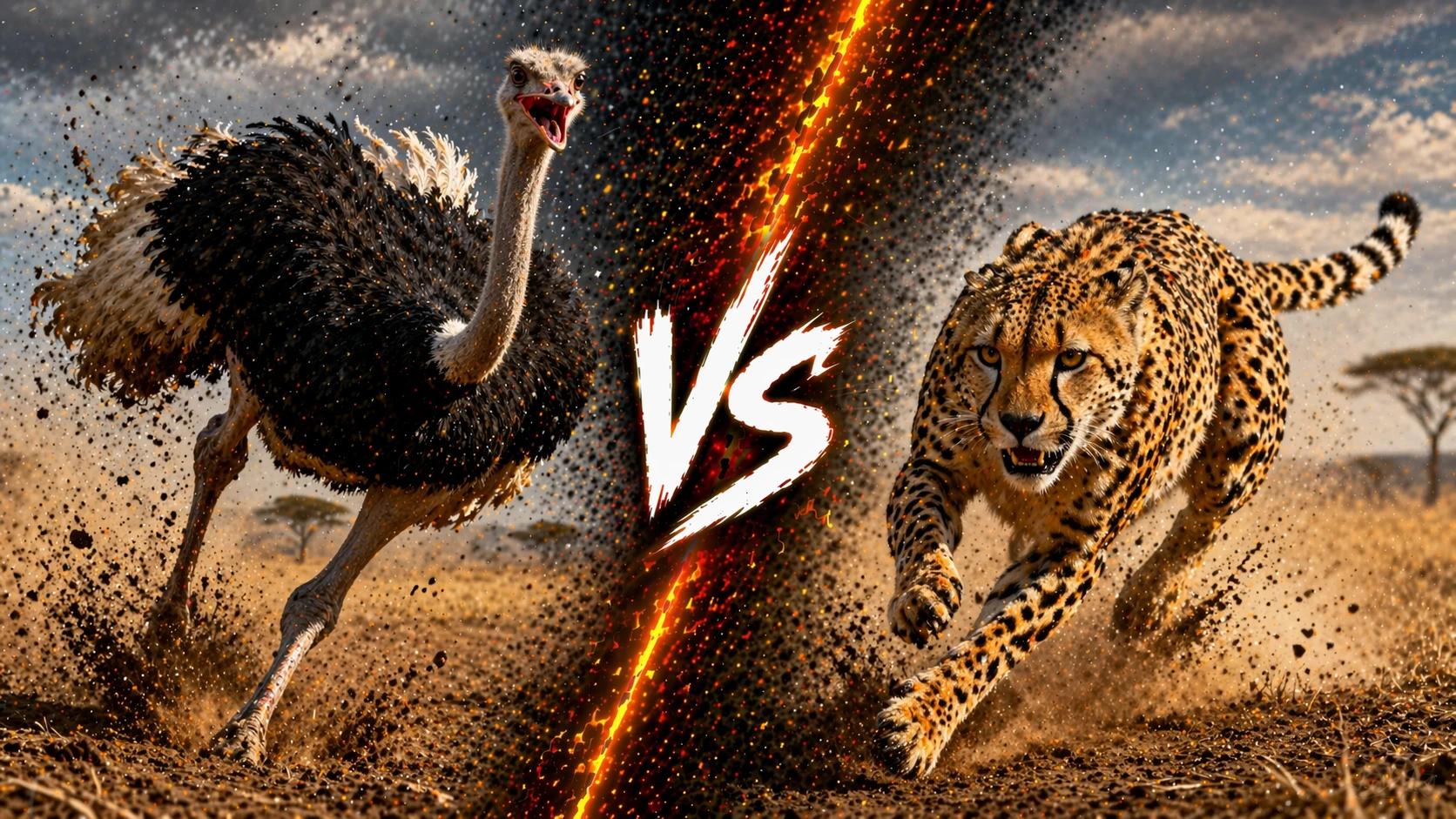
Ostrich vs Cheetah: Which Is Faster?
Cheetah owns the cleaner top-speed headline, but ostrich is a real long-stride runner and can stay competitive when the question shifts from explosive pursuit to sustained open-ground movement.
Read comparison
Tiger vs Cheetah: Which Is Faster?
Cheetah is the faster cat when the question is raw land speed. Tiger is more powerful and more dangerous in a fight, but speed is the cheetah's clear domain.
Read comparison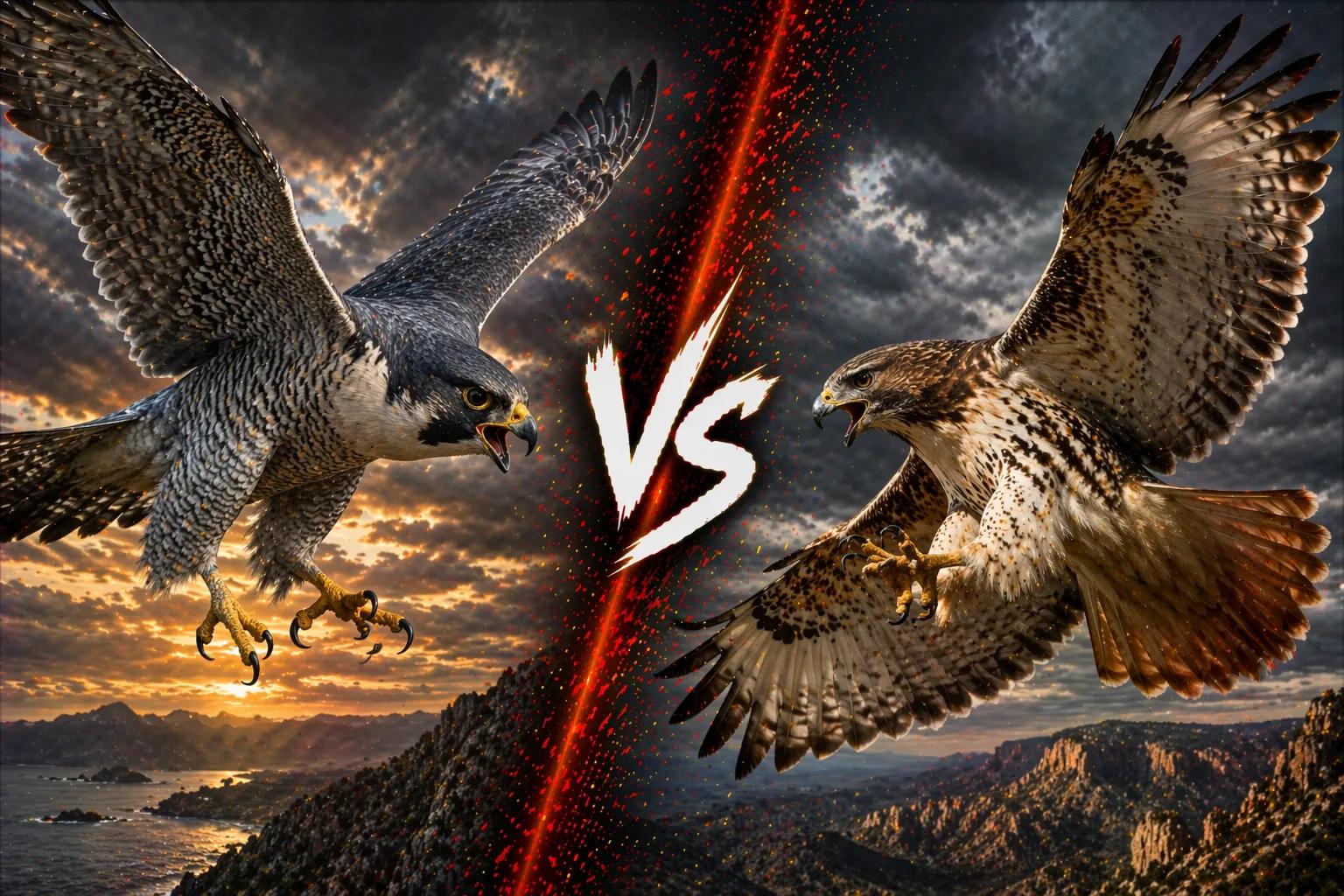
Peregrine Falcon vs Red-tailed Hawk: Which Is Faster?
Peregrine falcon is the clear speed winner. Red-tailed hawk remains the better soaring, watching, and broad-habitat control bird rather than the faster one.
Read comparisonRelated articles
Longer reads that answer the same question with sources, numbers, and photos.
Fastest Animal in the World: 15 Fastest Animals Ranked
Peregrine falcon, cheetah, sailfish and the rest, with the measured speeds and how they were recorded.
Read the articleTier-list FAQ
Short direct answers to the follow-up questions readers usually ask after the headline ranking.
What is the fastest animal in the world overall?
The peregrine falcon gets the overall answer because its dive speed is unmatched in this ranking.
What is the fastest land animal?
The cheetah is still the clearest land-speed leader.
What is the fastest animal in the ocean?
Sailfish and bluefin tuna belong near the top, with the exact phrasing depending on whether you emphasize burst claims or broader sustained performance.
What can we learn from the fastest animals?
The fastest animals show that speed is a short-burst tool. Cheetahs sprint and then recover, falcons use gravity instead of effort, and tuna reduce drag before adding power. In daily life that means focused work blocks with real breaks, preparing in advance, and removing friction before trying to go faster.
How can I get faster like an animal?
Sprinting animals combine powerful fast-twitch muscle with efficient mechanics and full recovery between efforts. People build speed the same way: short interval sprints with complete rest, strength training for the legs and hips, running technique practice, and enough sleep to recover between sessions.
Why can't cheetahs run fast for long?
Cheetahs rely on fast-twitch muscle that produces power quickly but fatigues quickly, and a sprint builds heat and metabolic waste fast. Most chases last well under a minute, after which the cheetah needs time to recover before it can even eat.
Collect animals like these, and learn their lessons
AnimalDex turns every animal you spot into a card with five stats and a lesson: the behaviour that keeps it alive, and how to use it in your own life. Start with the fastest, strongest and smartest animals you care about.