

wildlife photography appphoto gallery
Wildlife Photography App vs Photo Gallery: The Difference
Galleries store files and edits. A wildlife app stores identity, place, setting and evidence. What each does well, where they fail, and how to use both.
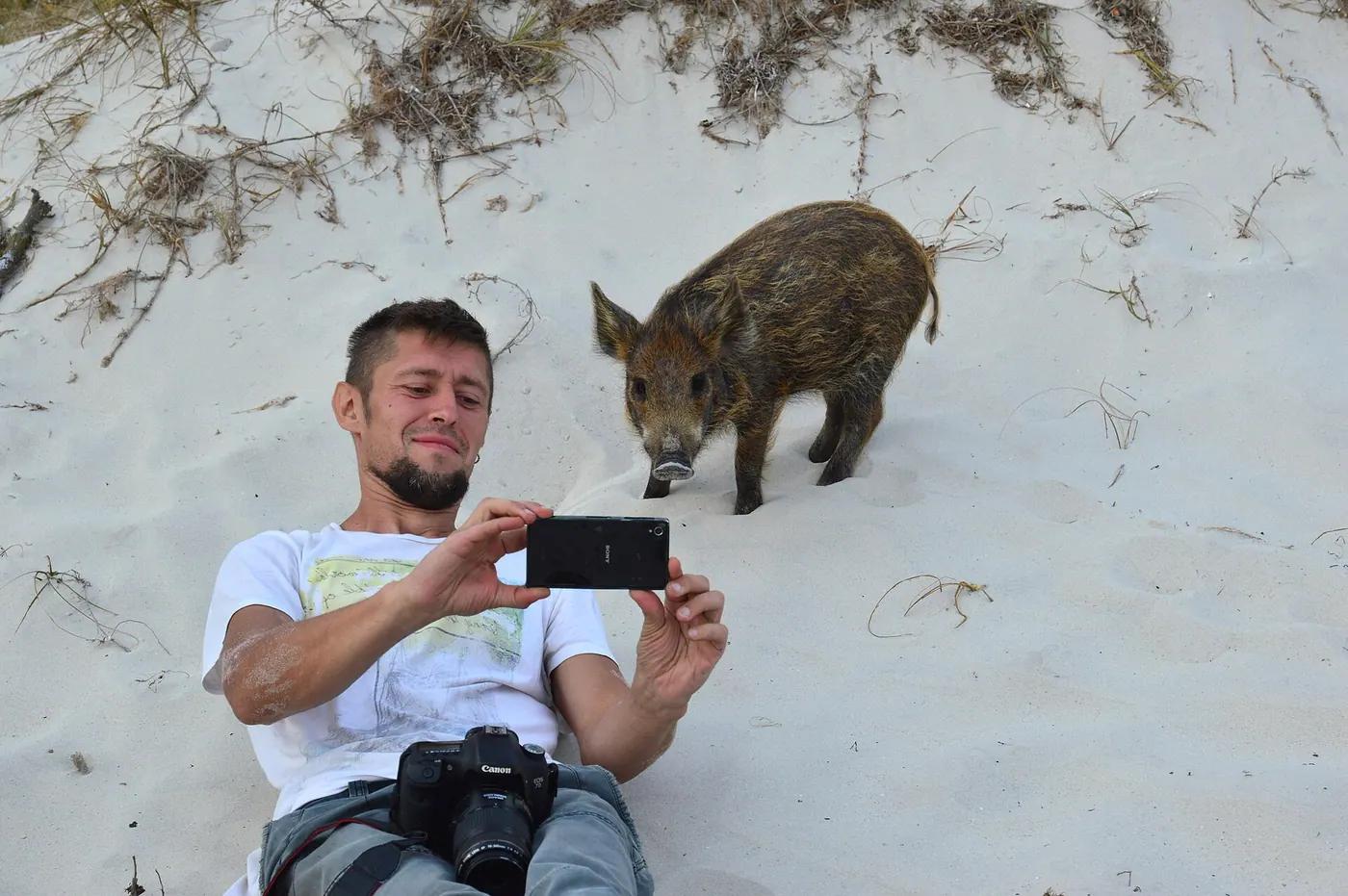
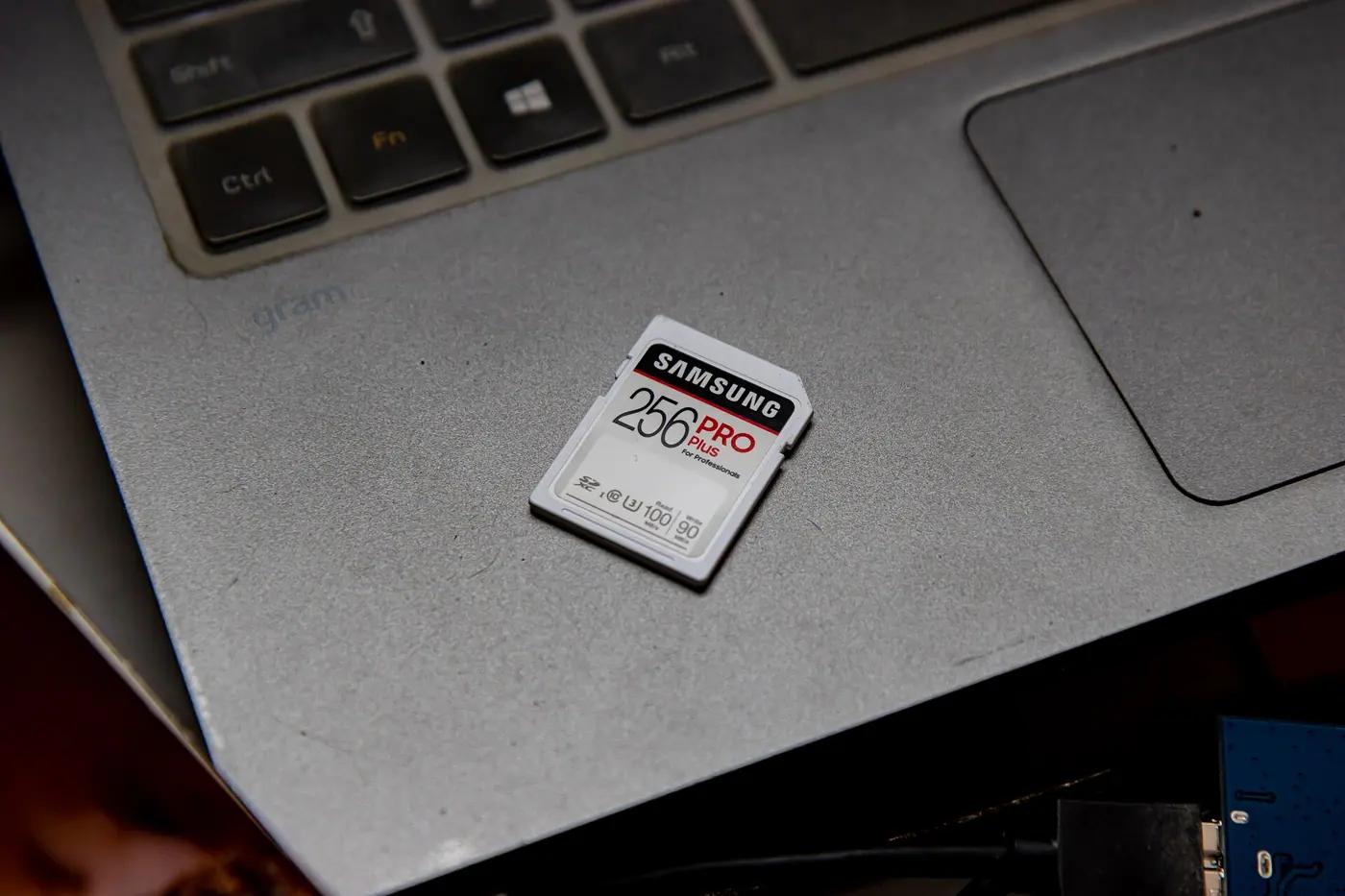
Galleries answer “do I still have the file?”
Lightroom, Apple Photos, Google Photos and a plain drive are excellent at pixels. They keep the raw file, the edit history, the backups and the export. They sort by date, by camera, by folder and, increasingly, by machine-recognised content. What they do not know is whether the duck in frame was a mallard or a hybrid, whether the python was in a national park or a pet shop, or whether you would still stand behind the name you typed in the keyword box in 2016.
That is not a criticism. A gallery's job is to be the system of record for the file. It should not pretend to be a field notebook, and the moment it tries, the keyword field fills with guesses that look like facts.
A Dex answers “what did I actually document?”
A wildlife app is organised by animal. Each entry is a species (or an honest group), and attached to it are the encounters: a historical place, a date, a setting of wild or captive, and the original media as evidence. AnimalDex keeps identification, historical location, setting and the original photo or clip together as one record, which is a different job from storing the file.
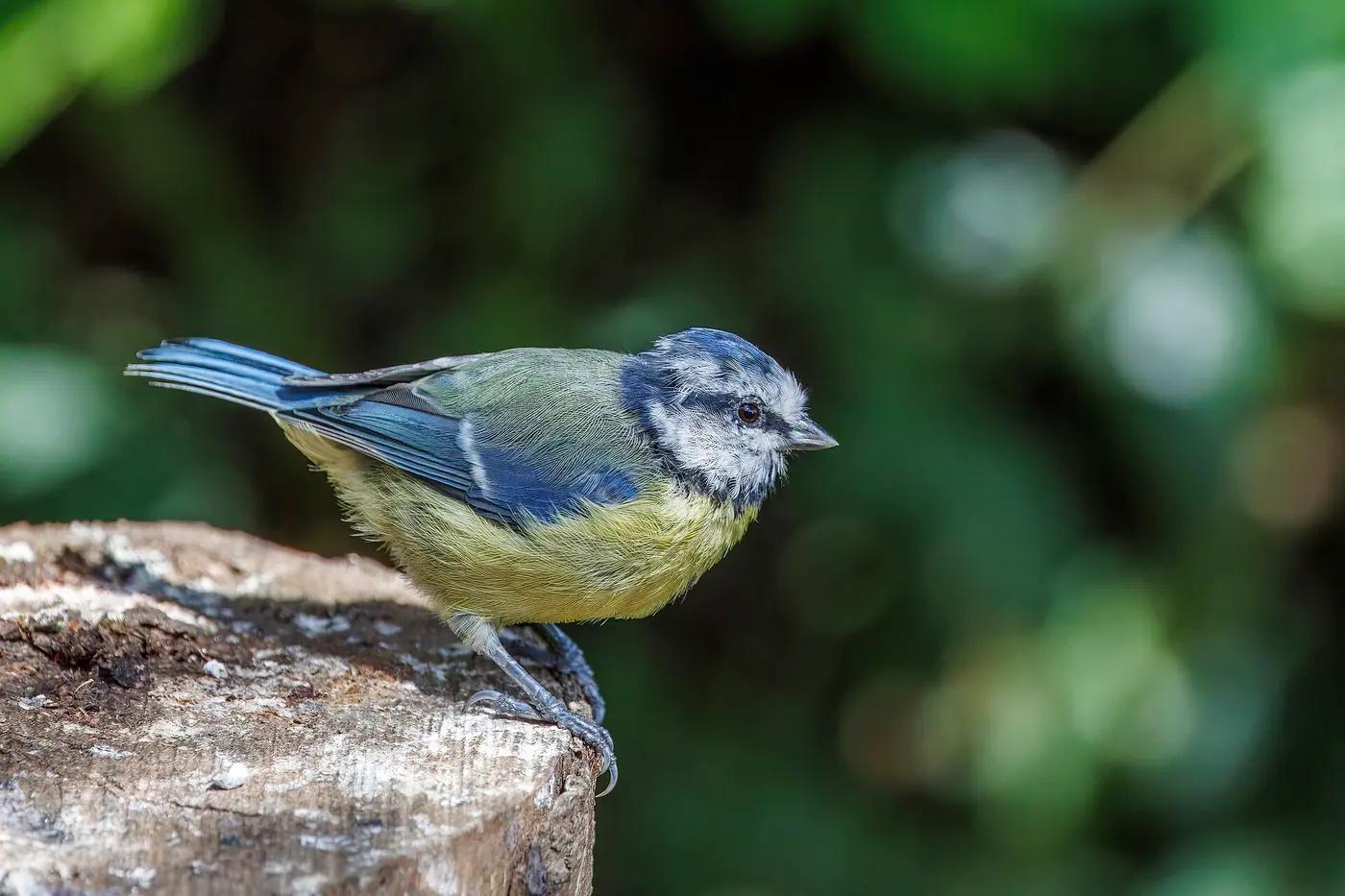
The practical difference shows up in the questions you can ask. A gallery can show you every photo from March 2021. A Dex can show you every species you have photographed in the wild, which of them you have only at genus level, and which countries each one came from. A gallery can find “bird” with image recognition. A Dex can tell you that your only blue tit is a captive one from a rescue centre and you still need a wild record.
Side by side
The two tools overlap less than it looks. Each has a column it owns.
| Job | Photo gallery | Wildlife app (Dex) |
|---|---|---|
| Keeps the raw file and edits | Yes, this is its purpose | Keeps the original media as evidence; not an editor |
| Backups and versions | Yes | No; back the gallery up |
| Species identity with confidence | Free-text keyword at best | Species or honest group, with the index deciding what is supported |
| Historical place | EXIF GPS if present, otherwise nothing | Reviewed place, which can be coarser than GPS and can be reconstructed |
| Wild vs captive | Not a concept | A field on every record |
| Life list and gaps | Not a concept | Built in: what you have, what is group-level, what is missing |
| Old Instagram archive | Re-import the compressed copies by hand | Review and import eligible posts from a compatible professional account |
| Sharing | Export and post | A public profile organised by species |
Where keywords and albums break down
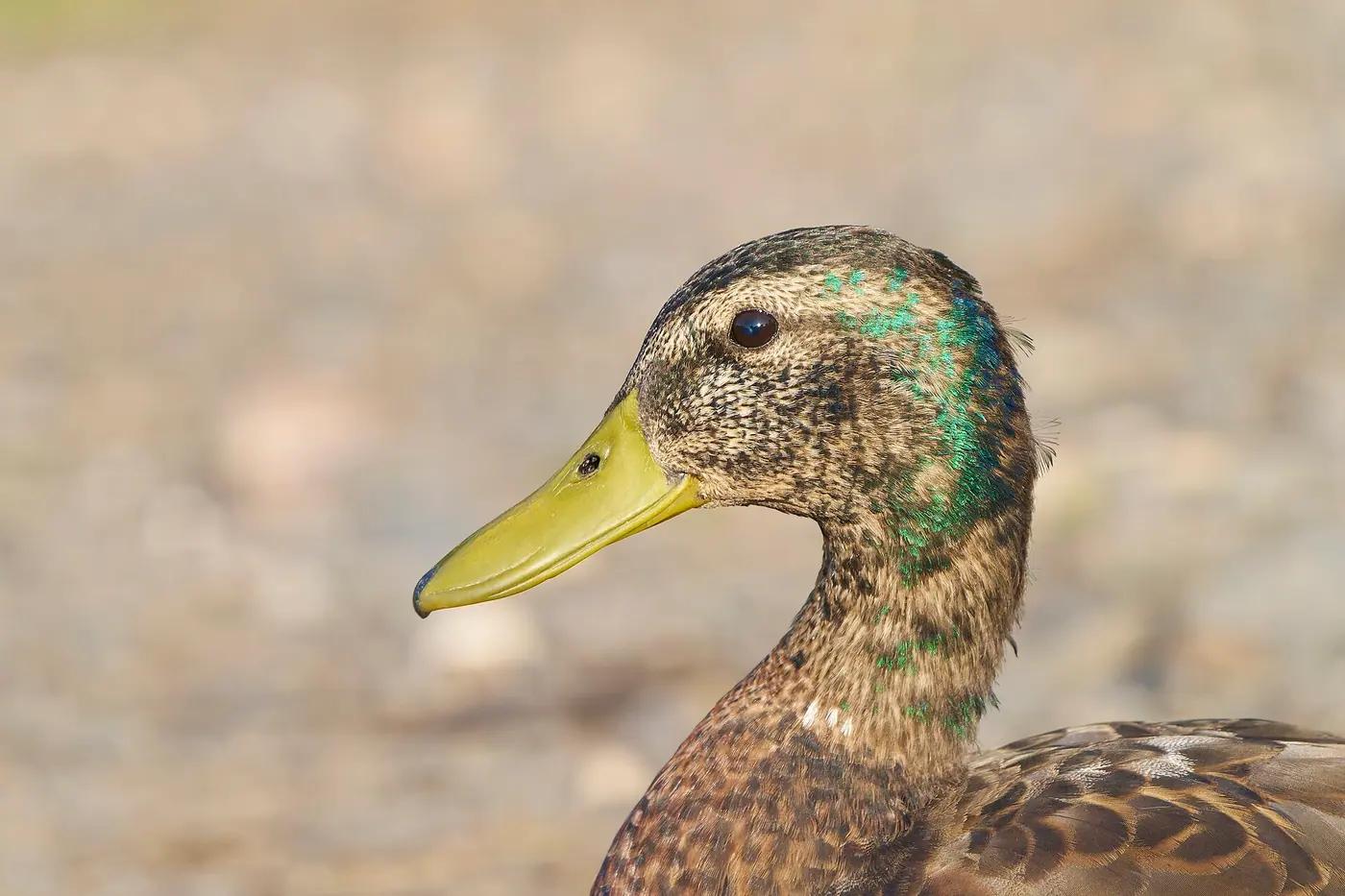
Keywords look like a species index until you try to use them as one. They are free text, so “mallard”, “Mallard”, “Anas platyrhynchos” and “duck” are four different keywords. They carry no confidence, so a guessed name and a verified one are indistinguishable. They are not revised when a species is split or renamed. And they say nothing about setting, so a search for “tiger” returns the zoo with the national park.
Albums are worse, because a photo in two albums is two problems. Mallards are a good test case: a drake in eclipse plumage in late summer looks like a female, domestic mallards come in a dozen colours, and mallard hybrids with other ducks are common in city parks. A keyword system has no way to say “mallard, probably, park bird, possibly domestic stock”. A wildlife record does.
A workflow that uses both
Use both and let each do its job. Cull and edit in the gallery, because that is where the raw file lives and where the backup runs. Then index the encounter in the Dex: species or group, place, setting, and the finished frame as evidence. Keep the gallery filename in the record so the raw file can always be found again. In the field, a live capture made in the app records the place at the time, which saves the reconstruction step entirely.
Gallery: file and edit
Import the card, cull, edit, back up. Add the scientific name as a keyword if you like, but treat it as a pointer, not a record.
Dex: identity and encounter
One entry per species. Attach the frame, the place with its precision, the date and the setting. Keep group-level entries where the photo does not support more.
Field: capture live
For new encounters, capture in the app so the location is recorded when it happens. Imported archive items and live captures are labelled differently in the collection.
Yearly: reconcile
Walk the gallery's year folder against the Dex once a year and catch the frames that never got indexed.
Wildlife photography companion
Where Instagram archives fit
Instagram is a third thing: neither a gallery nor a catalog, but for many photographers the only place years of wildlife still exist. The feed copy is compressed and stripped of metadata, so it is weak evidence, but it is evidence. AnimalDex can scan a compatible Instagram professional account for animal posts and walk you through reviewing each one for species, historical place and setting before it joins the Dex as an archive item. If the raw files survive in the gallery, link them; if not, the reviewed post is a better record than the feed.
A gallery is the system of record for the file. A Dex is the system of record for the encounter.
Pertanyaan singkat
Jawaban ringkas untuk pertanyaan yang paling sering muncul pada topik ini.
- What is the difference between a wildlife app and a photo gallery?
- A gallery stores and edits files and sorts them by date or folder; a wildlife app stores records organised by species, with place, date, wild-or-captive setting and the photo attached as evidence. The gallery answers whether you still have the file; the wildlife app answers what you have documented and what is missing.
- Can I use Lightroom keywords as a species list?
- Only loosely. Keywords are free text with no confidence level, no setting and no revision when names change, so a guessed name and a verified one look identical. They work as pointers back to the raw file. For a life list or a catalog you can trust years later, keep species records in a tool built for them.
- Do I need both a gallery and a wildlife app?
- Yes if you shoot raw and care about edits and backups. The gallery remains the home of the file; the wildlife app indexes the encounter. Keep the gallery filename in each record so the two stay linked, and reconcile once a year to catch frames that were edited but never indexed.
- Can a wildlife photography app identify animals in old photos?
- It can propose candidates and will keep an honest group-level identity when the photo does not support a species, but you confirm the final name. For old Instagram posts, AnimalDex scans a compatible professional account and asks you to review species, historical place and setting for each candidate before it becomes a record.
Hewan yang disebut
Lompat dari artikel ini ke halaman spesies di balik contoh, catatan systems, dan referensi field guide.
Sources and further reading
Panduan jawaban terkait topik ini
Kalau kamu ingin perbandingan langsung dan rekomendasi yang jelas, lanjutkan ke halaman jawaban berikut.
Comparisons terkait
Lanjutkan ke halaman comparison animal-vs-animal terstruktur yang terhubung dengan spesies di panduan ini.
Python vs Cobra: Who Would Win in a Fight?
King cobra has the edge if it lands the first clean venom strike at range. Python has the edge once it turns the fight into body contact and constriction.
Reticulated Python vs Alligator Snapping Turtle: Who Wins?
Reticulated python gets the slight overall edge because it can pressure from more angles and potentially secure positional control. Alligator snapping turtle remains a severe danger because the shell limits clean access and the bite trap punishes bad commitment.
Reticulated Python vs Green Anaconda: Who Would Win?
Reticulated python gets the length and land-flexibility edge. Green anaconda gets the heavier water-power edge. The real answer depends heavily on whether the fight is mostly terrestrial or mostly aquatic.
Reticulated Python vs Polar Bear: Who Would Win in a Fight?
Polar bear gets the overwhelming overall edge because the body-size gap and direct-contact violence are too steep. Reticulated python only becomes serious through perfect wrap geometry before the bear can fully express its strength.
Panduan terkait
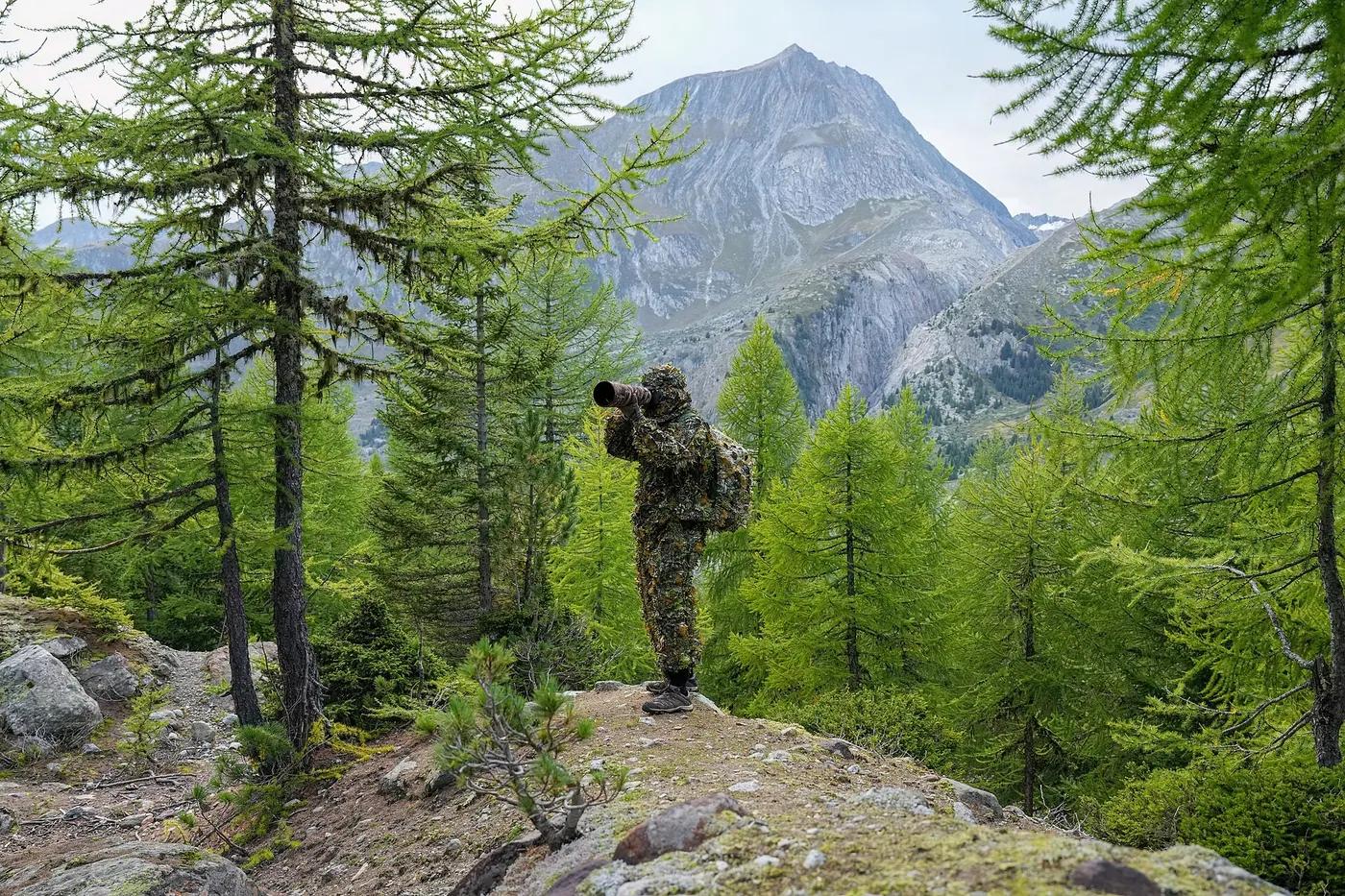
wildlife photography
How to Organize Years of Wildlife Photos by Species
A working method for sorting a wildlife photo archive by species, place and setting, re-identifying old shots honestly and keeping the result searchable.
6 menit baca
How to Keep a Wildlife Photography Life List
How photographers keep a species life list that stays honest: what counts, how to handle uncertain IDs, where old archives fit, and which fields matter.
4 menit baca
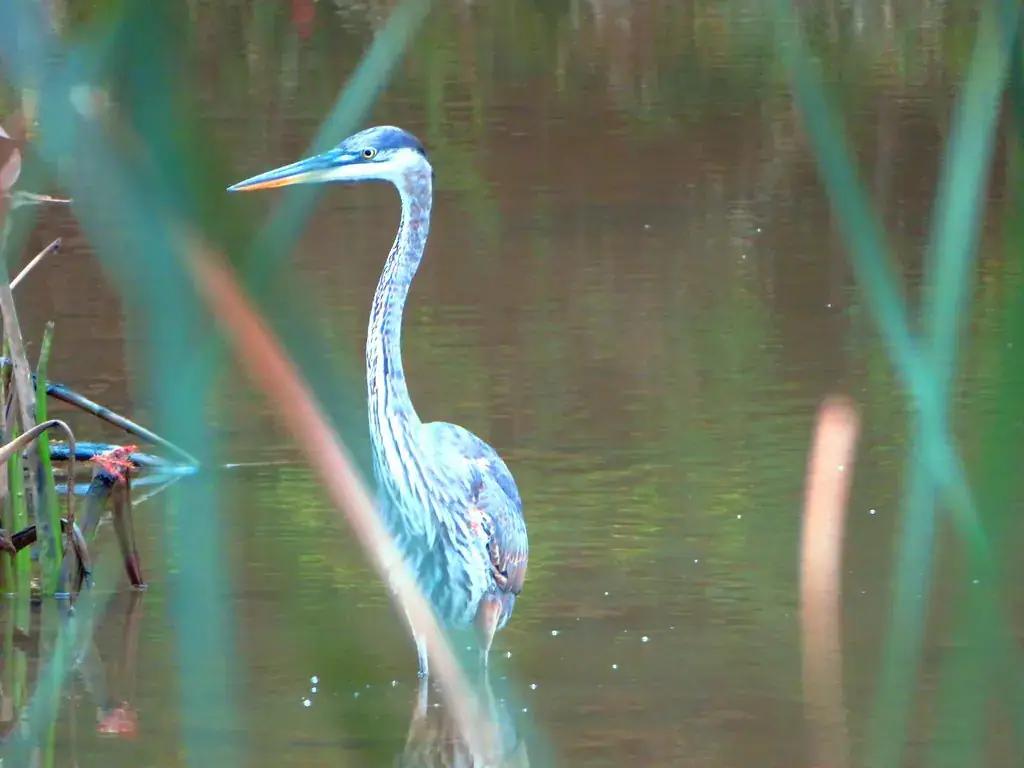
What to Do With Years of Wildlife Photos on Instagram
If your best birding, herping and safari pictures only live in a feed: what is at risk, how to get files out, and how to turn them into a species record.
4 menit baca