

Animals in Sweden: What You Can Spot, Learn, and Collect
Sweden's wildlife: 300,000 moose, bears and wolverines in the north, arctic foxes at Helags, Sami reindeer in Lapland, Baltic grey seals and Stora Karlsö's seabirds.
Jawaban cepat
Mulai dari jawaban langsung, lalu gunakan bagian di bawah untuk melihat kenapa lokasi ini penting dan hewan mana yang benar-benar realistis untuk di-spot di sana.
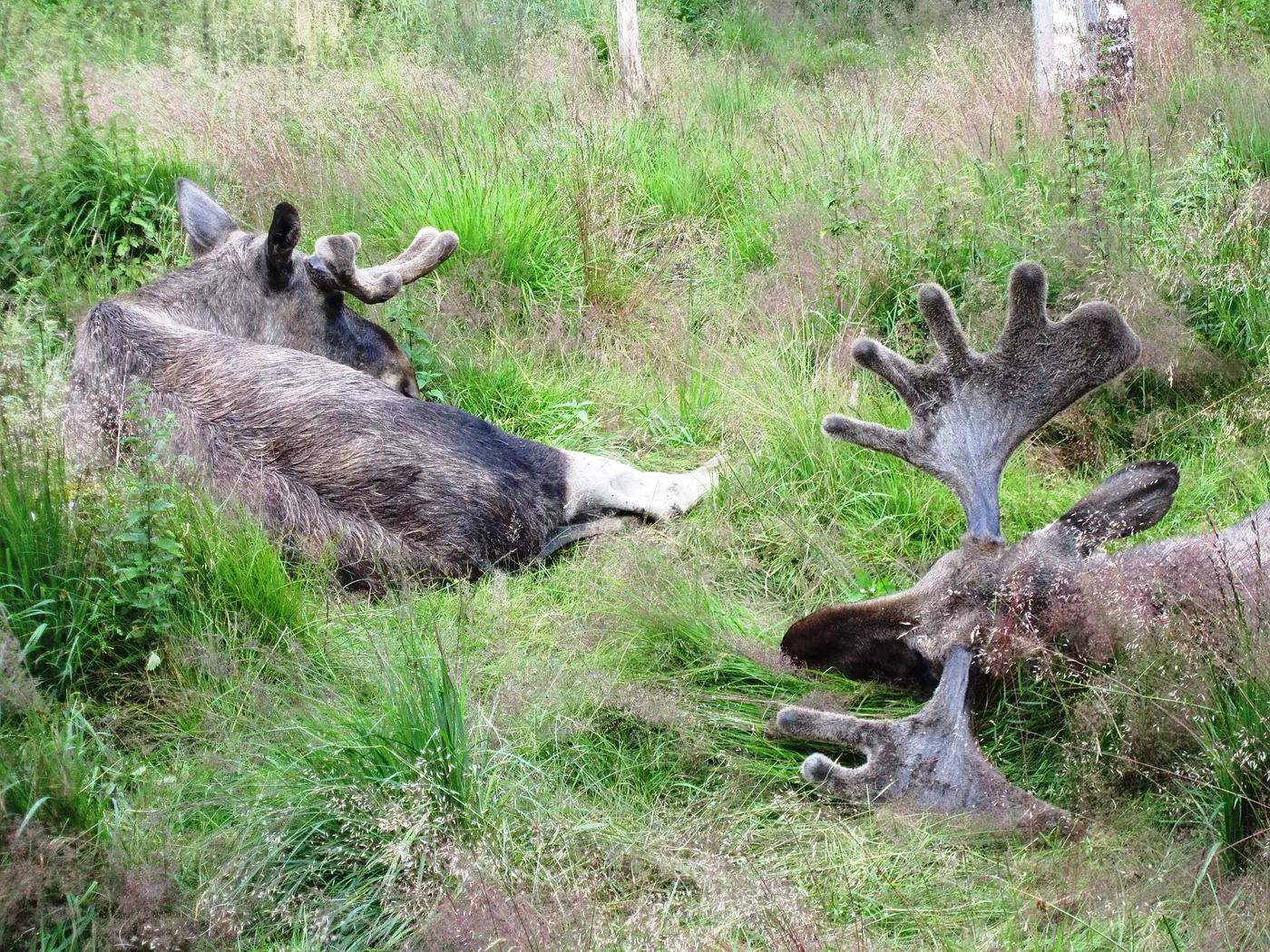
Sweden has around 300,000 moose, nearly 3,000 brown bears, more than a thousand lynx, several hundred wolves and wolverines, and reindeer herded by the Sami across the whole of Lapland. The Baltic coast holds tens of thousands of grey seals, the west coast has harbour seals and porpoises, and Stora Karlsö off Gotland is the largest seabird colony in the Baltic. Skansen in Stockholm shows every Nordic mammal in one afternoon.
Sweden is the easiest country in Europe to see a moose. There are more of them per square kilometre here than anywhere else, and the Bergslagen forests two hours from Stockholm run evening moose safaris with a near-perfect success rate. Further north the forest thins into the mountains of Jämtland and Lapland, where bears, wolverines, lynx and arctic foxes live in Sarek and the other Laponia parks, and where Sami reindeer herds move with the seasons.
The coast is a second wildlife country. The Stockholm archipelago and Gotland have grey seals hauled out on skerries, Stora Karlsö's limestone cliffs hold tens of thousands of guillemots and razorbills within arm's reach of the boardwalk, and the west coast around the Koster islands has harbour seals and porpoises in cold, clear water. Everywhere in between, roe deer and red foxes live in the suburbs and whooper swans trumpet over the lakes.
Kenapa lokasi ini penting
Halaman lokasi yang baik menjelaskan kenapa tempat ini layak dikunjungi, bukan hanya nama-nama yang cocok dimasukkan ke checklist destinasi.
Sweden manages big wildlife at a national scale. Moose hunting is a cultural institution, bears and lynx have recovered to numbers unseen for a century, and the wolf's return to Värmland and Dalarna is the most argued-about conservation story in the country.
It also offers a genuinely Arctic experience inside the EU. Arctic foxes den on the Helags massif a day's walk from a road, ptarmigan and snow buntings breed on the fells, and the midnight sun in June means wildlife watching around the clock.
Tempat mencari
Peta satwa liar Sweden
Panduan ini mencakup wilayah di bawah ini. Perbesar peta untuk mengenali areanya sebelum merencanakan perjalanan.
Posisi diambil dari OpenStreetMap. Akses habitat dan jam buka bisa berubah — periksa dulu sebelum berangkat.
Hewan untuk di-spot
Pilihan spesies di sini sengaja dibuat praktis, menyeimbangkan aksesibilitas, excitement, dan apa yang realistis untuk diperhatikan traveler di lokasi tersebut.
MooseA
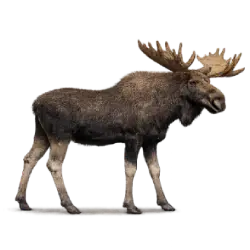
Sweden's 300,000 moose stand in every forest clearing from Skåne to Lapland, and the Bergslagen and Värmland moose safaris at dusk in summer almost never miss.
Catatan spotting: Very likely at dusk on forest roads; near-certain on a Bergslagen safari in summer.
Baca panduan spesies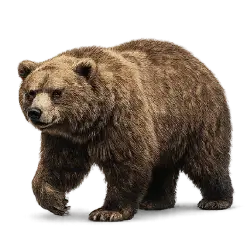
Brown BearA
Nearly 3,000 bears live in the forests of Dalarna, Hälsingland, Jämtland and Norrbotten, and hides in Hälsingland show them most summer evenings.
Catatan spotting: Likely from a booked hide in June and July; rare on a walk.
Baca panduan spesies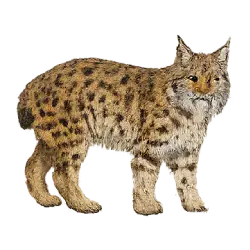
Eurasian LynxB
Sweden has more than a thousand lynx spread from the far north to Småland, hunting roe deer along forest edges and tracked in snow across Bergslagen.
Catatan spotting: Rare to see; snow tracking in Bergslagen or Jämtland in winter is the method.
Baca panduan spesies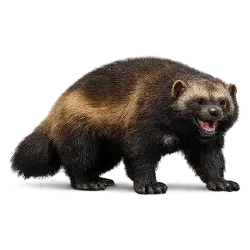
WolverineB
Several hundred wolverines roam the mountain chain from Dalarna to Lapland, scavenging reindeer carcasses in Sarek and Padjelanta and increasingly in the northern forests.
Catatan spotting: Very rare; the best chances are winter hides in Lapland or lucky sightings on Sarek ridges.
Baca panduan spesies
Arctic FoxC
The Helags massif in Jämtland holds Scandinavia's most accessible arctic fox dens, and the Helags mountain station runs guided den visits in summer when the cubs are out.
Catatan spotting: Likely on a guided Helags trip in July; otherwise rare.
Baca panduan spesies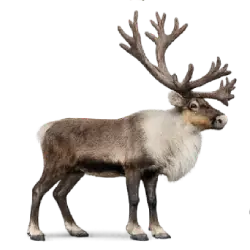
ReindeerC
A quarter of a million reindeer are herded by the Sami across Lapland and the fells, grazing roadsides around Kiruna, Jokkmokk and Abisko in summer.
Catatan spotting: Guaranteed on Lapland roads in summer; the herds are semi-domesticated.
Baca panduan spesies
Grey SealB
The Baltic grey seal population has rebounded to tens of thousands, with haul-outs on the outer skerries of the Stockholm archipelago and the north coast of Gotland.
Catatan spotting: Reliable from seal-safari boats out of the archipelago in summer.
Baca panduan spesies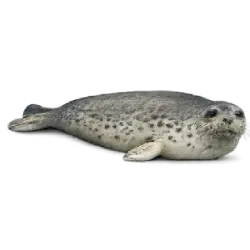
Harbor SealC
Harbour seals rest on the rocks of the Koster islands and the Bohuslän coast, Sweden's west coast stronghold with thousands of animals.
Catatan spotting: Regular on Koster boat trips and from Bohuslän headlands.
Baca panduan spesies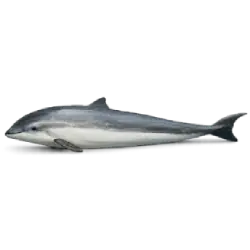
Harbor PorpoiseB
Porpoises are common in the Kattegat and Skagerrak off the west coast and surface around the Koster islands and Kullaberg peninsula on calm days.
Catatan spotting: Fairly common off the west coast in summer; almost absent from the Baltic.
Baca panduan spesies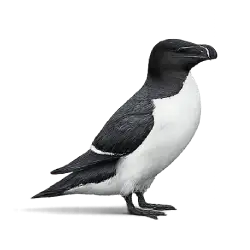
RazorbillC
Stora Karlsö off Gotland is the Baltic's largest seabird colony, with thousands of razorbills and guillemots nesting on ledges a few metres from the boardwalk.
Catatan spotting: Guaranteed on Stora Karlsö from May to early July; day boats from Klintehamn.
Baca panduan spesies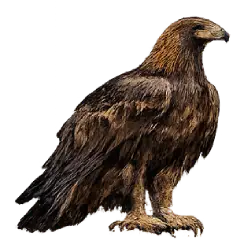
Golden EagleA
More than 600 pairs of golden eagles nest in Sweden, soaring over the Lapland fells and the forests of Norrland, and wintering at feeding stations in the south.
Catatan spotting: Regular in the mountains in summer; winter eagle hides in Småland and Västerbotten are reliable.
Baca panduan spesies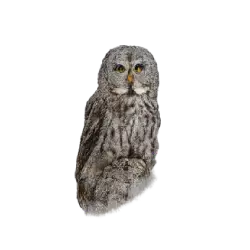
Great Gray OwlC
Great grey owls breed in the northern forests of Norrbotten and Västerbotten, hunting voles in clearings at dusk and sometimes moving south in vole-poor winters.
Catatan spotting: Rare and irregular; a Lapland forest clearing at dusk in a good vole year.
Baca panduan spesies
Whooper SwanC
Whooper swans breed on forest lakes across central and northern Sweden and gather in thousands at Lake Hornborga and Tysslingen in March and April.
Catatan spotting: Common in the north in summer; spectacular at Hornborgasjön in early spring.
Baca panduan spesies
Roe DeerD
Roe deer graze suburban lawns in Stockholm and Gothenburg and every farmland edge south of Dalarna, the most-seen wild mammal in the country.
Catatan spotting: Very common at dawn and dusk across the south.
Baca panduan spesiesPaling cocok untuk
Gunakan bagian ini untuk menilai apakah lokasi tersebut cocok dengan gaya perjalanan, level pengalaman, dan target AnimalDex kamu.
- Moose safaris in the Bergslagen forests near Stockholm
- Brown bear hides in Hälsingland and Dalarna
- Arctic foxes, reindeer and golden eagles on the Jämtland and Lapland fells
- Seabird cliffs on Stora Karlsö and seal safaris in the Stockholm archipelago
Tips spotting
Tips ini dibuat agar halaman ini benar-benar berguna di lapangan, bukan hanya enak dibaca di layar.
- 01Moose are easiest in June and July between nine in the evening and midnight; drive slowly on gravel forest roads in Bergslagen or join a safari from Skinnskatteberg.
- 02Book a bear hide for June or early July, when the nights are short and the bears visit clearings in the first and last light.
- 03Stora Karlsö day boats run from Klintehamn on Gotland from May to August; go before mid-July, when the auk chicks jump and the cliffs empty.
- 04For arctic foxes stay at Helags mountain station in July and join the guided den visit; bring a telescope, as the dens are watched from a distance.
Wildlife Guides virtual
Panduan satwa liar ke Sweden
AnimalDex membuat panduan virtual dari penampakan satwa liar milik para penjelajah sendiri: satwa apa yang mereka temukan, seberapa langka, dan kapan. Panduan adalah saran dari orang yang pernah ke sana, bukan tur. Membelinya membuka catatan penulis untuk setiap satwa, obrolan dengan penulis, dan perkenalan dengan warga lokal yang mereka temui. Penampakan satwa tidak pernah dijamin.
Memeriksa panduan virtual ke Sweden...
Cara memilih pemandu satwa liar lokal di Sweden
- Tanyakan apa yang biasanya mereka temukan pada musim kunjunganmu. Pemandu yang baik memberi jawaban jujur, bukan janji pasti melihat satwa tertentu.
- Perhatikan cara mereka memperlakukan satwa: tanpa umpan, tanpa memanggil satwa, tanpa memegang, dan tanpa flash dari jarak dekat demi foto.
- Pastikan titik temu, durasi, ukuran grup, total harga, dan cara pembayaran sebelum hari kegiatan, termasuk izin atau biaya taman yang diperlukan.
Lacak hewan yang kamu temukan di Sweden
Bangun koleksimu sambil menjelajahi Sweden, dari spesies yang mudah ditemukan sampai target yang layak direncanakan khusus.
Tier list terkait
Tier list ini memberi konteks yang lebih luas untuk spesies yang membuat lokasi ini menarik.
Biggest Animals in the World
A structured ranking of the biggest animals in the world, using the AnimalDex size stat to compare body scale across sea, land, and air.
Baca tier list100 Most Resilient Animals
Most resilient animals ranked by recovery, climate toughness, and staying functional under stress — not a copy of the strongest or most dangerous lists.
Baca tier listLokasi terkait
Lanjutkan eksplorasi dengan destinasi yang mirip atau berdekatan dan mendukung gaya discovery AnimalDex yang sama.
Animals in Norway: What You Can Spot, Learn, and Collect
A practical Norway wildlife guide built around cold coasts, northern atmosphere, and the species that make the country feel clean, open, and seasonally distinctive.
Baca panduan lokasiAnimals in Finland: What You Can Spot, Learn, and Collect
Finland's wildlife: bears and wolverines from the Kuhmo hides, the Saimaa ringed seal, wild forest reindeer, great grey owls, Lapland ptarmigan and whooper swans.
Baca panduan lokasiAnimals in Denmark: What You Can Spot, Learn, and Collect
Denmark's wildlife: harbour seals on the Wadden Sea sandbanks, porpoises in the Little Belt, the Dyrehaven deer rut outside Copenhagen and gannets streaming past Skagen.
Baca panduan lokasiFAQ lokasi
Jawaban singkat dan langsung untuk pertanyaan yang biasanya ditanyakan traveler sebelum memilih destinasi satwa liar atau hari kebun binatang.
What wildlife is there in Sweden?
Sweden has moose, brown bears, lynx, wolves, wolverines, arctic foxes, reindeer, red and roe deer, wild boar and beavers on land, grey and harbour seals and porpoises around the coast, and golden eagles, great grey owls, whooper swans, cranes and huge seabird colonies. Skansen in Stockholm displays all the Nordic mammals.
What animals can be found in Sweden?
Moose everywhere, bears in Dalarna and Norrland, arctic foxes at Helags, reindeer across Lapland, grey seals in the Stockholm archipelago, razorbills and guillemots on Stora Karlsö, and roe deer and foxes in the city suburbs. Wolves and lynx live in Värmland and Dalarna but are rarely seen.
Where is the best place to see moose in Sweden?
The Bergslagen forests around Skinnskatteberg, two hours west of Stockholm, where guided evening moose safaris in summer have a success rate close to 100 percent. Värmland and Dalarna are equally good for self-drive dusk searches on forest roads.
Is Skansen worth visiting for wildlife?
Yes. Skansen on Djurgården in Stockholm keeps brown bears, wolves, lynx, wolverines, moose, reindeer, grey and harbour seals and European bison in large Nordic enclosures, and it is the simplest way to see every Scandinavian mammal in a single afternoon.
Bagaimana cara menemukan panduan satwa liar ke Sweden?
Lihat bagian Wildlife Guides di halaman ini atau jelajahi Wildlife Guides di AnimalDex. Setiap panduan adalah panduan virtual yang dibuat dari penampakan satwa liar milik seorang penjelajah di sekitar Sweden: satwa yang mereka temukan, seberapa langka, dan kapan. Ini saran dari orang yang pernah ke sana, bukan tur. Jika kamu ingin ditemani seseorang di lokasi, bandingkan pemandu lokal dari pengetahuan satwanya, cara mereka memperlakukan satwa, dan kejelasan harganya sebelum berangkat.