

Animals in Uruguay: What You Can Spot, Learn, and Collect
Wildlife in Uruguay: sea lions at Cabo Polonio, capybaras and rheas on the Pampas, black-necked swans on the Rocha lagoons, right whales offshore in spring.
Jawaban cepat
Mulai dari jawaban langsung, lalu gunakan bagian di bawah untuk melihat kenapa lokasi ini penting dan hewan mana yang benar-benar realistis untuk di-spot di sana.
Uruguay is quiet grassland and a long Atlantic coast, and its wildlife is easy rather than exotic. Capybaras, rheas, armadillos and vizcachas live on the ranches, the tero lapwing screams from every field, the Rocha lagoons hold black-necked swans, flamingos and spoonbills, Cabo Polonio has one of the largest sea lion colonies in South America, and southern right whales pass the coast from July to November.
The country is almost entirely Pampas, broken by palm groves, eucalyptus and the string of brackish lagoons behind the Rocha coast. That means open-country birds and grazing mammals that show themselves readily: a drive from Montevideo to Punta del Diablo passes rheas, lapwings, horneros and burrowing owls without trying.
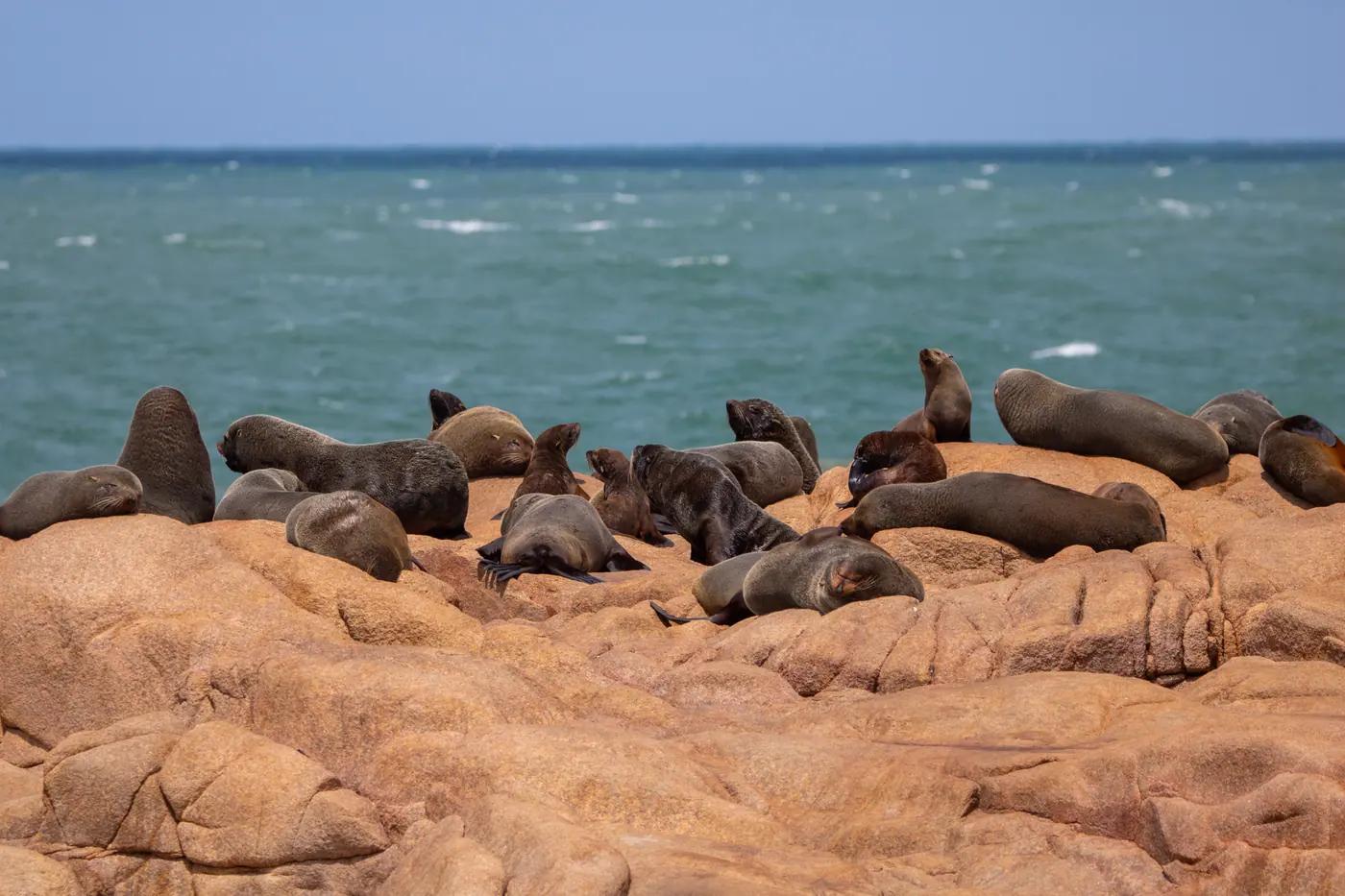
The coast is the highlight. Cabo Polonio, reachable only by 4x4 truck across the dunes, has sea lions and fur seals piled on the rocks under the lighthouse; the Laguna de Rocha and Laguna Garzón are Ramsar wetlands full of swans and shorebirds; and the beaches of Rocha pick up whales, penguins and sea turtles in season.
Kenapa lokasi ini penting
Halaman lokasi yang baik menjelaskan kenapa tempat ini layak dikunjungi, bukan hanya nama-nama yang cocok dimasukkan ke checklist destinasi.
Uruguay's wildlife is a lesson in the ordinary done well. The animals are not rare, but they are abundant, approachable and set in a safe, uncrowded country, which makes it a fine place to build confidence as a collector.
The Rocha coast is also serious conservation ground: the Cerro Verde marine protected area protects foraging green turtles, the sea lion colonies at Isla de Lobos and Cabo Polonio are among the continent's largest, and the lagoons are critical stopovers for migratory shorebirds.
Tempat mencari
Peta satwa liar Uruguay
Panduan ini mencakup wilayah di bawah ini. Perbesar peta untuk mengenali areanya sebelum merencanakan perjalanan.
Posisi diambil dari OpenStreetMap. Akses habitat dan jam buka bisa berubah — periksa dulu sebelum berangkat.
Hewan untuk di-spot
Pilihan spesies di sini sengaja dibuat praktis, menyeimbangkan aksesibilitas, excitement, dan apa yang realistis untuk diperhatikan traveler di lokasi tersebut.
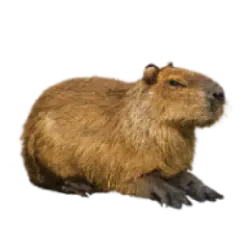
CapybaraD
Capybaras graze the banks of the Santa Lucía wetlands outside Montevideo and the lagoons and ranch dams of Rocha.
Catatan spotting: Common near any water in the interior and east.
Baca panduan spesies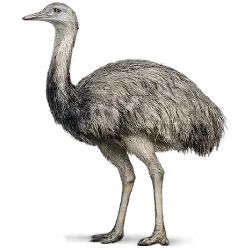
Greater RheaC
Rheas stride across the ranches of the interior and the grassland around the Rocha lagoons in family groups.
Catatan spotting: Common on open ranchland; often visible from Ruta 9.
Baca panduan spesies
Southern LapwingD
The tero is Uruguay's national bird and the loudest thing in the countryside, nesting on football pitches and pasture everywhere.
Catatan spotting: Guaranteed.
Baca panduan spesies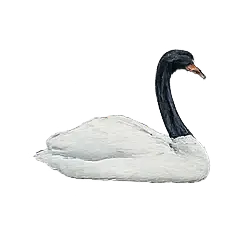
Black-necked SwanC
Swans gather in flocks on Laguna de Rocha, Laguna Garzón and Laguna Negra.
Catatan spotting: Reliable on the Rocha lagoons.
Baca panduan spesies
Southern Right WhaleA
Right whales swim close to the Rocha and Maldonado beaches on their migration and are watched from the Punta del Este headland and La Paloma.
Catatan spotting: Seasonal, July to November, best September and October.
Baca panduan spesies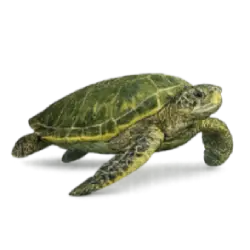
Green Sea TurtleC
Juvenile green turtles feed in the rocky shallows of the Cerro Verde marine area near La Coronilla, where Karumbé runs a turtle centre.
Catatan spotting: Likely at the Karumbé centre; occasional while snorkelling at Cerro Verde.
Baca panduan spesies
Magellanic PenguinC
Young penguins arrive on the Rocha beaches each winter after the long swim north from Patagonia.
Catatan spotting: Winter beaches; most are exhausted, so report rather than approach.
Baca panduan spesies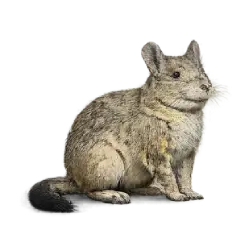
Plains VizcachaD
Vizcachas emerge at dusk from colonial burrows on the ranches of the interior, sitting up like oversized rabbits.
Catatan spotting: Regular at dusk in the north and west.
Baca panduan spesies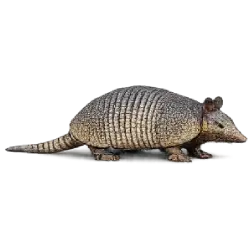
Nine-banded ArmadilloD
The mulita trots along ranch tracks at dusk and is a frequent road sighting across the country.
Catatan spotting: Common at dusk on country roads.
Baca panduan spesies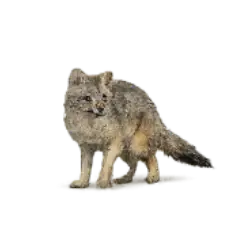
Crab-eating FoxC
Zorros de monte hunt the ranch edges and palm groves of Rocha and the Santa Teresa park after dark.
Catatan spotting: Regular on night drives.
Baca panduan spesies
Argentine Black and White TeguC
Big tegus bask on the dunes and tracks of the Rocha coast and the Santa Teresa park in summer.
Catatan spotting: Common in summer, absent in winter.
Baca panduan spesies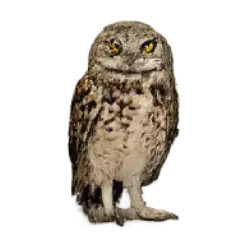
Burrowing OwlC
Burrowing owls stand beside their holes on the sandy coastal grassland and ranch pastures.
Catatan spotting: Common in open country.
Baca panduan spesies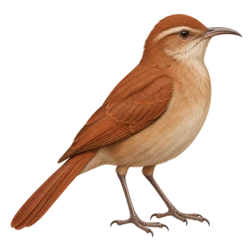
Rufous HorneroE
Hornero oven nests sit on fence posts and power poles the length of every rural road in Uruguay.
Catatan spotting: Guaranteed.
Baca panduan spesies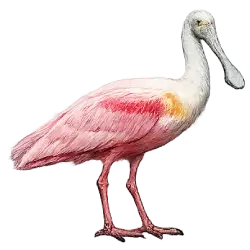
Roseate SpoonbillC
Spoonbills feed in the shallow Rocha lagoons and the Santa Lucía marshes alongside egrets and ibises.
Catatan spotting: Regular at the coastal lagoons.
Baca panduan spesiesPaling cocok untuk
Gunakan bagian ini untuk menilai apakah lokasi tersebut cocok dengan gaya perjalanan, level pengalaman, dan target AnimalDex kamu.
- Sea lion colonies at Cabo Polonio and Isla de Lobos
- Lagoon birding along the Rocha coast
- Pampas wildlife from capybaras to rheas on an estancia stay
- Shore-based whale watching in spring
Tips spotting
Tips ini dibuat agar halaman ini benar-benar berguna di lapangan, bukan hanya enak dibaca di layar.
- 01Take the first truck into Cabo Polonio and walk to the lighthouse rocks; the sea lions are noisiest and closest in the morning.
- 02Hire a kayak or local boat on Laguna de Rocha for swans, spoonbills and flamingos; the eastern shore is best in late afternoon.
- 03Visit the Karumbé turtle centre at La Coronilla in summer for green turtles and the chance to join a beach survey.
- 04Drive Ruta 9 and Ruta 10 at dusk for armadillos, foxes and vizcachas, and watch for whales from any headland between Punta del Este and La Paloma in September.
Wildlife Guides virtual
Panduan satwa liar ke Uruguay
AnimalDex membuat panduan virtual dari penampakan satwa liar milik para penjelajah sendiri: satwa apa yang mereka temukan, seberapa langka, dan kapan. Panduan adalah saran dari orang yang pernah ke sana, bukan tur. Membelinya membuka catatan penulis untuk setiap satwa, obrolan dengan penulis, dan perkenalan dengan warga lokal yang mereka temui. Penampakan satwa tidak pernah dijamin.
Memeriksa panduan virtual ke Uruguay...
Cara memilih pemandu satwa liar lokal di Uruguay
- Tanyakan apa yang biasanya mereka temukan pada musim kunjunganmu. Pemandu yang baik memberi jawaban jujur, bukan janji pasti melihat satwa tertentu.
- Perhatikan cara mereka memperlakukan satwa: tanpa umpan, tanpa memanggil satwa, tanpa memegang, dan tanpa flash dari jarak dekat demi foto.
- Pastikan titik temu, durasi, ukuran grup, total harga, dan cara pembayaran sebelum hari kegiatan, termasuk izin atau biaya taman yang diperlukan.
Lacak hewan yang kamu temukan di Uruguay
Bangun koleksimu sambil menjelajahi Uruguay, dari spesies yang mudah ditemukan sampai target yang layak direncanakan khusus.
Lokasi terkait
Lanjutkan eksplorasi dengan destinasi yang mirip atau berdekatan dan mendukung gaya discovery AnimalDex yang sama.
Animals in Argentina: What You Can Spot, Learn, and Collect
Wildlife in Argentina: right whales and elephant seals at Península Valdés, capybaras and caimans in Iberá, coatis at Iguazú, condors and reintroduced jaguars.
Baca panduan lokasiAnimals in Rio Grande do Sul: What You Can Spot, Learn, and Collect
Wildlife in Rio Grande do Sul: capybaras and marsh deer at Taim, flamingos and black-necked swans at Lagoa do Peixe, rheas on the Pampas, right whales at Torres.
Baca panduan lokasiAnimals in Brazil: What You Can Spot, Learn, and Collect
A practical Brazil wildlife guide built around wetlands, rainforest color, and the species that make the country feel big, alive, and worth collecting carefully.
Baca panduan lokasiFAQ lokasi
Jawaban singkat dan langsung untuk pertanyaan yang biasanya ditanyakan traveler sebelum memilih destinasi satwa liar atau hari kebun binatang.
What wildlife is there in Uruguay?
Capybaras, rheas, armadillos, vizcachas, foxes and tegus on the Pampas; black-necked and coscoroba swans, flamingos and spoonbills on the Rocha lagoons; sea lions and fur seals at Cabo Polonio and Isla de Lobos; and southern right whales, penguins and green turtles along the coast in season.
What animals can be found in Uruguay?
Southern lapwings and horneros are on every field, rheas and capybaras on most ranches, swans on the eastern lagoons and sea lions at Cabo Polonio year round. Whales are a winter and spring visitor, penguins turn up on winter beaches and green turtles feed at Cerro Verde in summer.
Where can you see sea lions in Uruguay?
Cabo Polonio in Rocha has a large year-round colony of South American sea lions and fur seals on the rocks below the lighthouse. Isla de Lobos off Punta del Este holds an even bigger colony, visited by boat tours.
When is the best time to see whales in Uruguay?
Southern right whales pass the Uruguayan coast from July to November, closest to shore in September and October. Punta del Este, La Paloma and Punta del Diablo all have headlands with regular sightings.
Bagaimana cara menemukan panduan satwa liar ke Uruguay?
Lihat bagian Wildlife Guides di halaman ini atau jelajahi Wildlife Guides di AnimalDex. Setiap panduan adalah panduan virtual yang dibuat dari penampakan satwa liar milik seorang penjelajah di sekitar Uruguay: satwa yang mereka temukan, seberapa langka, dan kapan. Ini saran dari orang yang pernah ke sana, bukan tur. Jika kamu ingin ditemani seseorang di lokasi, bandingkan pemandu lokal dari pengetahuan satwanya, cara mereka memperlakukan satwa, dan kejelasan harganya sebelum berangkat.