Kembali ke Kekuatan

Kekuatan Hewan

Harsh Conditions

Keep to the mist.

Hewan di sini menunjukkan kekuatan yang serupa melalui perilakunya di alam. Setiap spesies tetap punya prinsip, pelajaran, makna, dan halaman field guide sendiri.

19 spesies

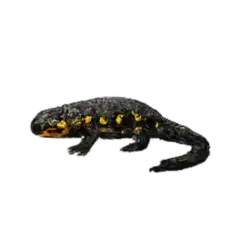
Alpine Salamander (Salamandra atra) thumbnail image on AnimalDex

Alpine Salamander

Prinsip spesies: Cool Fit

Keep to the mist.

Some lives are built for quiet weather and hidden patience.

Alpine Salamanders live in cool moist mountain habitats and are notable among salamanders for giving birth to fully developed young rather than laying eggs in water.
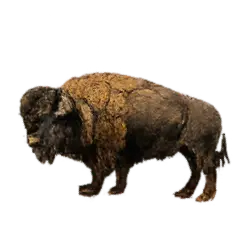
American Bison (Bison bison) thumbnail image on AnimalDex

American Bison

Prinsip spesies: Steady Force

Push through snow.

Steady force keeps moving when the weather pushes back.

American Bison use massive heads and shoulders to move through snow, graze tough grasses, and survive harsh prairie conditions.

Banana Slug animal lesson image on AnimalDex

Banana Slug

Prinsip spesies: Moisture Wisdom

Follow the damp.

Progress is easier when you respect the environment your body actually needs.

Banana Slugs are moisture-dependent forest slugs that move slowly over damp surfaces and help recycle organic matter.

Coyote (Canis latrans) thumbnail image on AnimalDex

Coyote

Prinsip spesies: Elasticity

Bend through the edges.

Survival bends without breaking when it can feed in many worlds.

Coyotes are highly flexible canids with broad diets and strong ability to live in wild, rural, suburban, and urban edge habitats. Their adaptability has allowed them to expand across many environments.

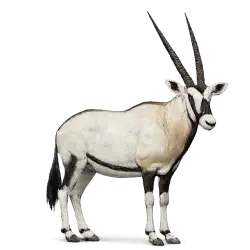
East African Oryx animal lesson image on AnimalDex

East African Oryx

Prinsip spesies: Heat Endurance

Carry the heat.

Protection helps grace survive pressure.

East African oryx survive hot dry landscapes with heat tolerance, efficient water use, long horns, and steady travel.

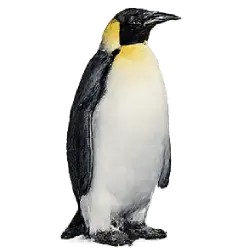
Emperor Penguin (Aptenodytes forsteri) thumbnail image on AnimalDex

Emperor Penguin

Prinsip spesies: Huddled Warmth

Hold the huddle.

Warmth becomes possible when the circle keeps moving for everyone.

Emperor Penguins survive Antarctic breeding conditions by forming dense huddles that rotate individuals between the colder outside and warmer center.

Giant Tube Worm animal lesson image on AnimalDex

Giant Tube Worm

Prinsip spesies: Vent-Rooted Continuance

Root in the vent.

Resilience grows when a body partners with the conditions others cannot use.

Tubeworms at hydrothermal vents rely on symbiotic bacteria that convert chemicals into energy, allowing them to live without sunlight.

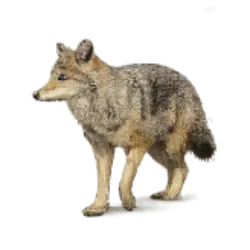
Golden Jackal (Canis aureus) thumbnail image on AnimalDex

Golden Jackal

Prinsip spesies: Opportunism

Feed where dusk opens.

The survivor does not demand one path when dusk opens many.

Golden Jackals are adaptable omnivores that hunt, scavenge, forage, and use dusk or twilight activity to exploit a wide range of food sources across varied habitats.

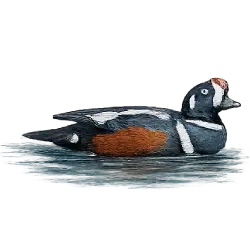
Harlequin Duck (Histrionicus histrionicus) thumbnail image on AnimalDex

Harlequin Duck

Prinsip spesies: Rapid Mastery

Play the rapid.

Wild water becomes playable when your build understands it.

Harlequin Ducks inhabit fast-flowing streams and rough coastal waters, using compact bodies and strong swimming ability to navigate turbulent water.

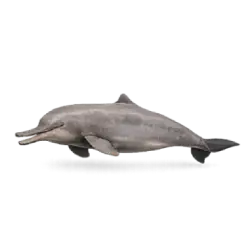
Indus River Dolphin (Platanista gangetica minor) thumbnail image on AnimalDex

Indus River Dolphin

Prinsip spesies: Sound Navigation

Hear the river path.

There is more than one way to see the path.

Indus River Dolphins have very poor vision and rely heavily on echolocation to navigate and hunt in turbid river water.

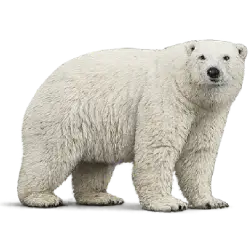
Polar Bear (Ursus maritimus) thumbnail image on AnimalDex

Polar Bear

Prinsip spesies: Endurance

Endure the winter.

Conditions don't determine outcomes.

Polar bears travel huge distances, endure cold, and survive long periods of scarcity.

Pompeii Worm animal lesson image on AnimalDex

Pompeii Worm

Prinsip spesies: Vent Heat Endurance

Endure the vent.

Extreme resilience often depends on a body tuned to a narrow harsh place.

Pompeii Worms live near hydrothermal vents and tolerate high-temperature gradients with help from microbial communities on their bodies.

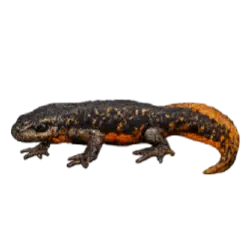
Pyrenean Brook Newt (Calotriton asper) thumbnail image on AnimalDex

Pyrenean Brook Newt

Prinsip spesies: Stream Grip

Grip the current.

Wild water becomes livable when the grip is true.

Pyrenean Brook Newts live in cold mountain streams and use rough bodies, strong limbs, and gripping toes to hold position in flowing water.

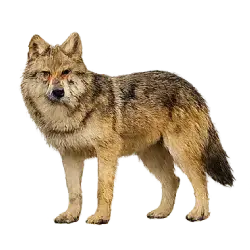
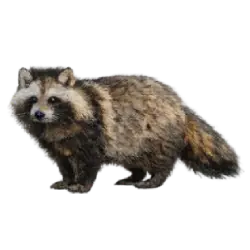
Raccoon Dog (Nyctereutes procyonoides) thumbnail image on AnimalDex

Raccoon Dog

Prinsip spesies: Seasonality

Change with winter.

Survival belongs to the one who changes pace with the season.

Raccoon Dogs are omnivorous canids with flexible diets. In cold parts of their range they may enter winter torpor, reducing activity while relying on stored fat and seasonal foraging.

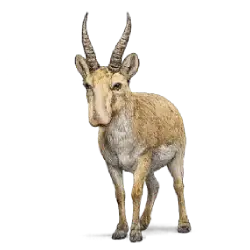
Saiga Antelope (Saiga tatarica) thumbnail image on AnimalDex

Saiga Antelope

Prinsip spesies: Harsh-Air Filtering

Breathe through the strange.

Odd features often exist because the world asked a harsh question.

Saiga Antelope have enlarged flexible noses that help filter dust and condition air during life on cold, dusty steppe environments.

Scaly-foot Snail animal lesson image on AnimalDex

Scaly-foot Snail

Prinsip spesies: Armor

Forge your armor.

Harsh environments can become the source of your strongest defenses.

The scaly-foot snail is associated with hydrothermal vents and has distinctive sclerites that can incorporate iron sulfides.

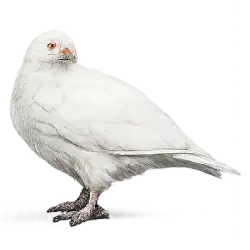
Snowy Sheathbill (Chionis albus) thumbnail image on AnimalDex

Snowy Sheathbill

Prinsip spesies: Polar Opportunism

Use what the ice gives.

Harsh places become workable for the one willing to use what appears.

Snowy Sheathbills survive around Antarctic and subantarctic coasts by scavenging from penguin and seal colonies, eating scraps, eggs, waste, and small food items.

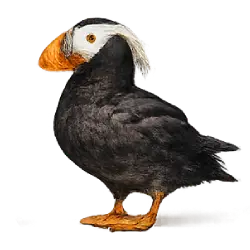
Tufted Puffin (Fratercula cirrhata) thumbnail image on AnimalDex

Tufted Puffin

Prinsip spesies: Coastal Toughness

Dive the cliff.

Playful looks can still belong to a hard life.

Tufted puffins nest on coastal cliffs, dive for fish, and survive harsh northern marine conditions despite their bright ornamental appearance.

Jelajahi indeks terkait