AnimalDex
id
Kembali ke Kualitas

Kualitas Hewan

Resource Recovery

Gather on the sign.

Hewan di sini menunjukkan kualitas yang serupa melalui perilakunya di alam. Setiap spesies tetap punya prinsip, pelajaran, makna, dan halaman field guide sendiri.

9 spesies

Black Vulture (Coragyps atratus) thumbnail image on AnimalDex

Black Vulture

Prinsip spesies: Convergence

Gather on the sign.

What one eye misses, many wings can find together.

Black Vultures often forage socially and may follow other vultures or flock members to carrion. Unlike Turkey Vultures, they rely more heavily on vision and social cues than smell.
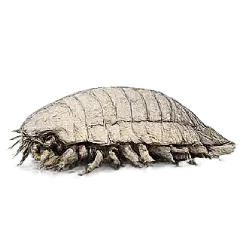
Giant Isopod (Bathynomus giganteus) thumbnail image on AnimalDex

Giant Isopod

Prinsip spesies: Deep Endurance

Endure the deep.

In the deepest places, survival belongs to the body that can wait, conserve, and endure.

Giant Isopods live in deep ocean environments where food can be scarce. Their armored bodies and scavenging lifestyle help them survive long periods between meals.

Greater Adjutant (Leptoptilos dubius) thumbnail image on AnimalDex

Greater Adjutant

Prinsip spesies: Messy Service

Do the messy work.

The world needs those willing to do the valuable work that is not pretty.

Greater Adjutants are large scavenging storks that feed at wetlands, carcasses, and refuse sites, providing cleanup services in human-influenced landscapes.

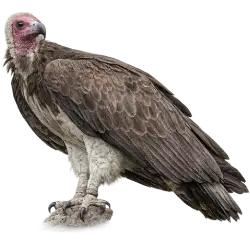
Hooded Vulture (Necrosyrtes monachus) thumbnail image on AnimalDex

Hooded Vulture

Prinsip spesies: Useful Adaptation

Find the useful opening.

Usefulness opens doors that pride would miss.

Hooded Vultures are small scavenging vultures with slim bills, often feeding around human settlements and natural carcasses in Africa.

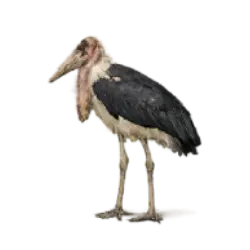
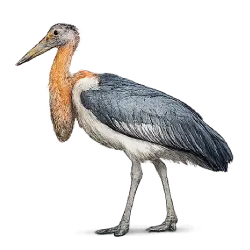
Marabou Stork (Leptoptilos crumenifer) thumbnail image on AnimalDex

Marabou Stork

Prinsip spesies: Acceptance

Take the ugly work.

Some necessary work begins where beauty refuses to look.

Marabou Storks are large scavenging birds that feed on carrion, scraps, and small animals in wetlands, savannas, and human-influenced environments. Their ecological role includes cleaning up waste and remains.

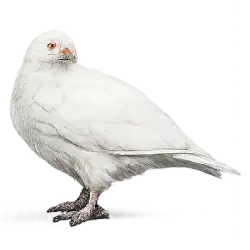
Snowy Sheathbill (Chionis albus) thumbnail image on AnimalDex

Snowy Sheathbill

Prinsip spesies: Polar Opportunism

Use what the ice gives.

Harsh places become workable for the one willing to use what appears.

Snowy Sheathbills survive around Antarctic and subantarctic coasts by scavenging from penguin and seal colonies, eating scraps, eggs, waste, and small food items.

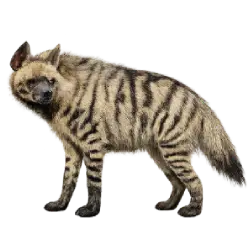
Striped Hyena (Hyaena hyaena) thumbnail image on AnimalDex

Striped Hyena

Prinsip spesies: Useful Power

Clean the night.

Usefulness becomes strength when it clears what others abandon.

Striped Hyenas are nocturnal scavengers and hunters with strong jaws, raised mane displays, and an ecological role in consuming carrion and waste.

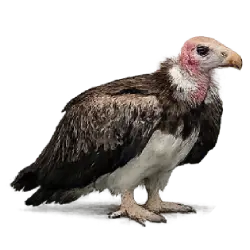
White-headed Vulture (Trigonoceps occipitalis) thumbnail image on AnimalDex

White-headed Vulture

Prinsip spesies: Necessary Work

Do the necessary work.

The work others avoid may be the work that keeps the world clean.

White-headed Vultures feed on carrion and scraps in open African habitats, using a hooked bill and bare head suited to scavenging around carcasses.

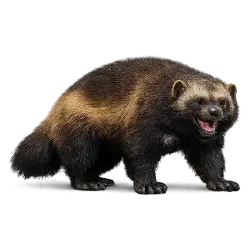
Wolverine (Gulo gulo) thumbnail image on AnimalDex

Wolverine

Prinsip spesies: Tenacity

Stay with the trail.

The path opens for the one that refuses to stop at harsh ground.

Wolverines use large feet, thick fur, strong jaws, and wide-ranging movement to travel across snow, scavenge carcasses, cache food, and defend resources in cold northern habitats.

Jelajahi indeks terkait