AnimalDex
id
Kembali ke Kualitas

Kualitas Hewan

Self-protection

Lock into stone.

Hewan di sini menunjukkan kualitas yang serupa melalui perilakunya di alam. Setiap spesies tetap punya prinsip, pelajaran, makna, dan halaman field guide sendiri.

33 spesies

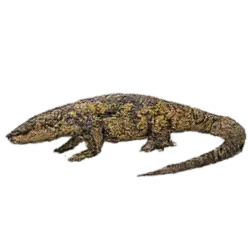
Ackie Monitor (Varanus acanthurus) thumbnail image on AnimalDex

Ackie Monitor

Prinsip spesies: Spiny Boundary

Lock into stone.

A boundary becomes strong when it can anchor itself inside stone.

Ackie Monitors use spiny tails, strong bodies, and rock crevices for protection, often wedging themselves into shelter in arid rocky habitats.

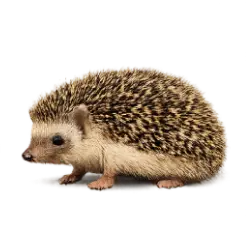
Albino African Pygmy Hedgehog animal lesson image on AnimalDex

Albino African Pygmy Hedgehog

Prinsip spesies: Soft Armor

Soft, but shielded.

Gentleness lasts longer when it has a clear defensive shape.

African Pygmy Hedgehogs rely on spines, curling behavior, and nocturnal caution for defense while remaining small and vulnerable.

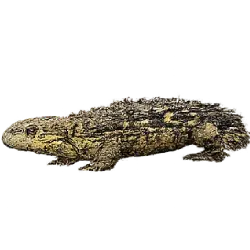
Armadillo Girdled Lizard (Ouroborus cataphractus) thumbnail image on AnimalDex

Armadillo Girdled Lizard

Prinsip spesies: Self-Armor

Become the ring.

The body can become its own shield when danger closes in.

Armadillo Girdled Lizards defend themselves by biting their tails and curling into a spiny ring, protecting their softer underside from predators.

Black Mamba (Dendroaspis polylepis) thumbnail image on AnimalDex

Black Mamba

Prinsip spesies: Immediate Boundary

Warn without delay.

A clear line works best before danger is allowed to settle.

Black Mambas are fast elapids that use threat displays, including raising the body and showing the dark mouth interior, before striking defensively if pressed.

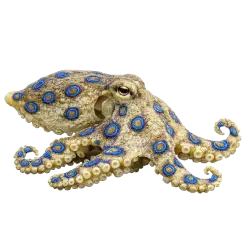
Blue-ringed Octopus (Hapalochlaena lunulata) thumbnail image on AnimalDex

Blue-ringed Octopus

Prinsip spesies: Ringed Warning

Flash the rings.

A clear signal can stop danger before contact becomes necessary.

Blue-ringed Octopuses flash vivid blue rings when threatened. Their small bodies carry highly potent venom, making the warning display an important deterrent signal.

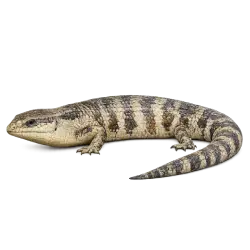
Blue-tongued Skink (Tiliqua scincoides) thumbnail image on AnimalDex

Blue-tongued Skink

Prinsip spesies: Bluff

Flash the tongue.

A sudden signal can end a fight before it begins.

Blue-tongued Skinks use a bright blue tongue display, body flattening, hissing, and open-mouth postures to startle or warn predators when threatened.

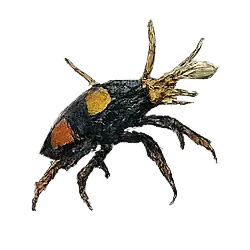
Bombardier Beetle (Brachinus crepitans) thumbnail image on AnimalDex

Bombardier Beetle

Prinsip spesies: Chemical Boundary

Fire the line.

A clear line is strongest when the body can enforce it instantly.

Bombardier Beetles eject hot chemical spray from the abdomen through a controlled reaction that deters predators.

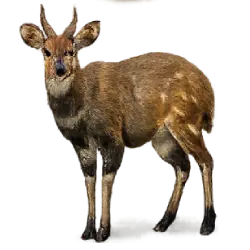
Bushbuck (Tragelaphus scriptus) thumbnail image on AnimalDex

Bushbuck

Prinsip spesies: Caution

Move through cover.

Quiet caution is strength when the world is dense and watching.

Bushbucks are shy antelopes that use stripes, spots, and dense cover while browsing in thickets, forests, and riverine habitats.

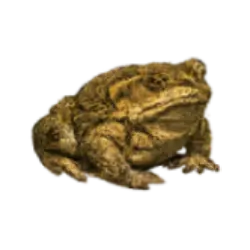
Cane Toad (Rhinella marina) thumbnail image on AnimalDex

Cane Toad

Prinsip spesies: Deterrence

Be costly to attack.

Some boundaries work because crossing them has a real cost.

Cane Toads have large parotoid glands that secrete potent toxins. This chemical defense deters many predators and helps the toad survive despite being slow-moving.

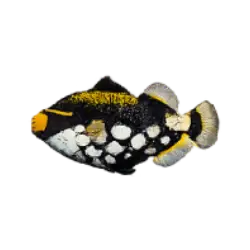
Clown Triggerfish (Balistoides conspicillum) thumbnail image on AnimalDex

Clown Triggerfish

Prinsip spesies: Locked Boundary

Lock the spine.

A boundary is stronger when it can lock into place.

Clown Triggerfish and other triggerfish use a locking dorsal trigger spine for defense and anchoring in reef crevices, alongside bold coloration and territorial behavior.

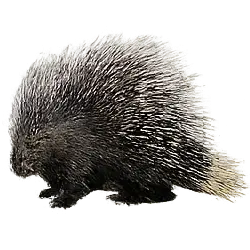
Crested Porcupine (Hystrix cristata) thumbnail image on AnimalDex

Crested Porcupine

Prinsip spesies: Shielding

Raise the shield.

A slow traveler becomes brave when the shield is already raised.

Crested Porcupines use long quills, raised crests, rattling, and backward-facing defensive postures to deter predators without needing speed.

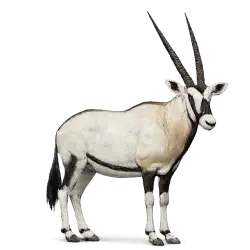
East African Oryx animal lesson image on AnimalDex

East African Oryx

Prinsip spesies: Heat Endurance

Carry the heat.

Protection helps grace survive pressure.

East African oryx survive hot dry landscapes with heat tolerance, efficient water use, long horns, and steady travel.

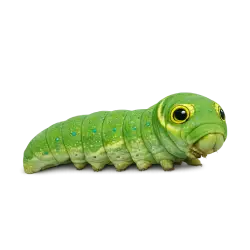
Eastern Tiger Swallowtail Caterpillar animal lesson image on AnimalDex

Eastern Tiger Swallowtail Caterpillar

Prinsip spesies: Becoming

Guard the becoming.

Growth often needs camouflage before it can become visible.

Swallowtail caterpillars use disguise and defensive display before metamorphosing into adult butterflies.

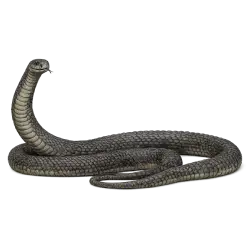
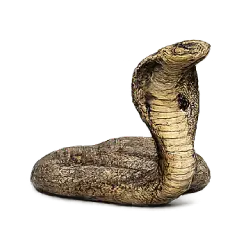
Egyptian Cobra (Naja haje) thumbnail image on AnimalDex

Egyptian Cobra

Prinsip spesies: Hood Warning

Raise the line.

Make the line visible before conflict grows.

Egyptian cobras raise the front body and spread a hood as a warning display before striking or retreating.

Lesser Hedgehog Tenrec (Echinops telfairi) thumbnail image on AnimalDex

Lesser Hedgehog Tenrec

Prinsip spesies: Protected Curiosity

Sniff behind armor.

The guarded self can still go searching.

Lesser Hedgehog Tenrecs have defensive spines and use keen smell to forage for insects and small prey, often at night or in low cover.

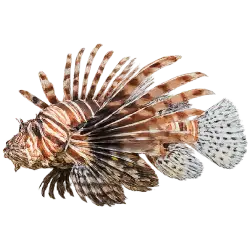
Lionfish (Pterois volitans) thumbnail image on AnimalDex

Lionfish

Prinsip spesies: Presence

Be seen clearly.

Beauty becomes power when it makes danger visible before contact.

Lionfish display broad fan-like fins and carry venomous spines. Their striking appearance and defensive spines deter many predators while they move slowly through reef habitats.

Milk Snake animal lesson image on AnimalDex

Milk Snake

Prinsip spesies: False Warning

Wear the warning.

A harmless or moderate threat can survive by resembling something predators already respect.

Milk Snakes are nonvenomous snakes whose banded coloration can resemble venomous coral snakes in some regions.

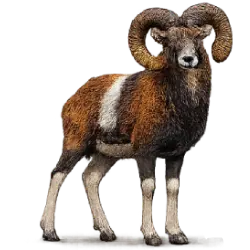
Mouflon (Ovis gmelini musimon) thumbnail image on AnimalDex

Mouflon

Prinsip spesies: Horn Boundary

Hold the horn line.

A strong boundary can prevent a contest from becoming chaos.

Mouflon males have large curved horns used in dominance contests, while sure-footed bodies help them move through rocky hills and slopes.

Jelajahi indeks terkait