AnimalDex
en
Back to Powers

Animal Powers

Clear Communication

Think through the canopy.

Animals grouped here express a similar power through their behavior in nature. Each species still has its own principle, lesson, meaning, and field-guide page.

25 species

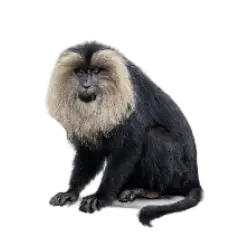
Lion-tailed Macaque (Macaca silenus) thumbnail image on AnimalDex

Lion-tailed Macaque

Species principle: Canopy Intelligence

Think through the canopy.

A sharp mind climbs best when it stays close to its kin.

Lion-tailed Macaques live in social groups in wet evergreen forests, using clever foraging behavior, vocal communication, and canopy movement.
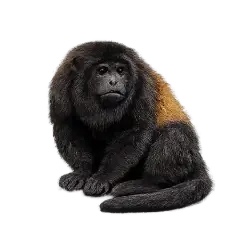
Mantled Howler Monkey (Alouatta palliata) thumbnail image on AnimalDex

Mantled Howler Monkey

Species principle: Distant Presence

Let presence travel.

Presence does not always need proximity; it can travel as sound.

Mantled Howler Monkeys have enlarged hyoid bones that enable loud calls carrying through forest canopy, supporting group spacing and communication.

Oriental Magpie-Robin animal lesson image on AnimalDex

Oriental Magpie-Robin

Species principle: Vocal Mastery

Speak and Connect.

The Oriental Magpie-Robin uses its diverse vocal range to establish territory and attract mates, showcasing the power of communication and adaptability.

This bird is known for its ability to mimic other birds and human-made sounds, creating a unique acoustic signature to deter rivals and attract mates.

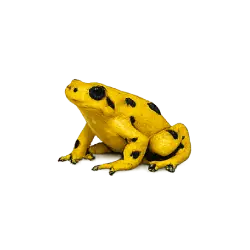
Panamanian Golden Frog (Atelopus zeteki) thumbnail image on AnimalDex

Panamanian Golden Frog

Species principle: Gesture Signaling

Wave above the noise.

When one message is drowned out, the body can become the signal.

Panamanian Golden Frogs use visual semaphore-like hand and foot waving, especially useful near noisy streams where calls may be masked.

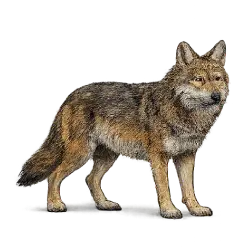
Red Wolf (Canis rufus) thumbnail image on AnimalDex

Red Wolf

Species principle: Pack Courage

Move with the red pack.

Caution becomes courage when the pack moves with you.

Red Wolves live and hunt in family groups, using cooperation, communication, and long-legged movement across wetlands, forests, and open habitats.

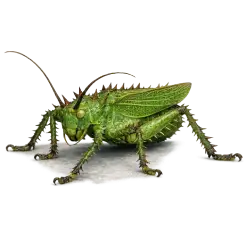
Spiny Devil Katydid (Panacanthus cuspidatus) thumbnail image on AnimalDex

Spiny Devil Katydid

Species principle: Hidden Music

Sing from the thorns.

A voice can live inside camouflage without giving up its power.

Spiny Devil Katydids have leaf-like bodies, dramatic spines, nocturnal habits, and sound-producing behavior used for communication while remaining concealed in vegetation.

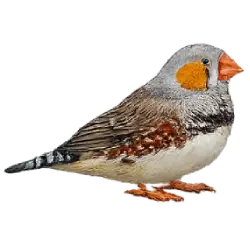
Zebra Finch (Taeniopygia guttata) thumbnail image on AnimalDex

Zebra Finch

Species principle: Bonding

Keep the flock close.

A small voice can hold a group together across hard weather.

Zebra Finches are social seed-eating birds known for vocal communication and learned song. Their calls and songs support pair bonds, flock contact, and social behavior in dry habitats.

Explore related indexes