AnimalDex
en
Back to Powers

Animal Powers

Search

Sweep low.

Animals grouped here express a similar power through their behavior in nature. Each species still has its own principle, lesson, meaning, and field-guide page.

25 species

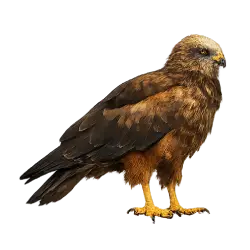
Swamp Harrier (Circus approximans) thumbnail image on AnimalDex

Swamp Harrier

Species principle: Low Search

Sweep low.

The hidden thing is found by the one willing to sweep close to the ground.

Swamp Harriers hunt by flying low over wetlands, reeds, and grasslands, quartering back and forth while searching for small animals and birds.
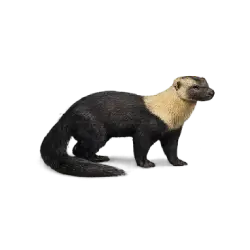
Tayra (Eira barbara) thumbnail image on AnimalDex

Tayra

Species principle: Restless Curiosity

Search every level.

The forest opens for the body willing to run, climb, sniff, and try again.

Tayras are agile mustelids that climb and travel through tropical forests, foraging flexibly for fruit, small animals, honey, and other foods.

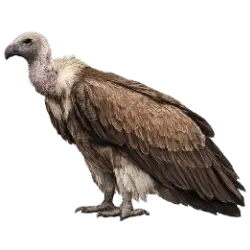
White-backed Vulture (Gyps africanus) thumbnail image on AnimalDex

White-backed Vulture

Species principle: Scavenger Convergence

Circle the sign.

When many wings read the same air, the hidden feast becomes visible.

White-backed Vultures soar in groups and gather at carcasses, relying on vision, social cues, and thermal lift to locate food across African landscapes.

White-nosed Coati (Nasua narica) thumbnail image on AnimalDex

White-nosed Coati

Species principle: Troop Curiosity

Search as a troop.

Curiosity travels farther when many noses search the path together.

White-nosed Coatis forage with long flexible snouts and claws, and females and young often move in social troops while searching forest floors and edges for food.

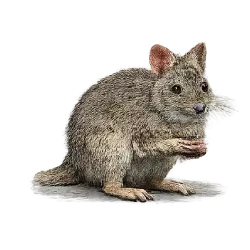
Woylie (Bettongia penicillata) thumbnail image on AnimalDex

Woylie

Species principle: Fungal Stewardship

Dig the future.

Busy searching can feed more than the seeker.

Woylies dig for underground fungi and other foods, helping turn soil and spread fungal spores that support forest and woodland ecosystems.

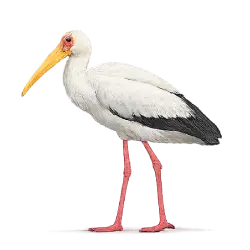
Yellow-billed Stork (Mycteria ibis) thumbnail image on AnimalDex

Yellow-billed Stork

Species principle: Tactile Search

Sweep the shallows.

Keep sweeping the unseen until the hidden thing closes the gap.

Yellow-billed Storks feed by sweeping partly open bills through shallow water; tactile contact with prey triggers the bill to snap shut quickly.

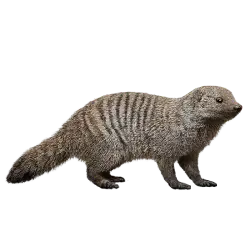
Zebra Mongoose (Mungos mungo) thumbnail image on AnimalDex

Zebra Mongoose

Species principle: Foraging Unity

Scurry as one.

A group becomes one mind when many noses follow the same hunger.

Banded Mongooses, also called zebra mongooses, forage in cohesive groups with contact calls, cooperative vigilance, and coordinated movement across the ground.

Explore related indexes