AnimalDex
en
Open menu
Back to Principles

Behavioral Principles

Observation

Run as one mind.

Animals grouped here share a similar survival strategy in nature. Each species still has its own lesson, meaning, and field-guide page.

66 species

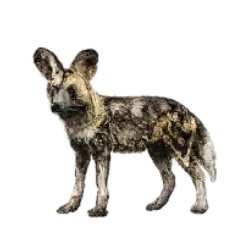
African Wild Dog (Lycaon pictus) thumbnail image on AnimalDex

African Wild Dog

Species principle: Pack Relentlessness

Run as one mind.

A team becomes unstoppable when the chase belongs to everyone.

African Wild Dogs hunt cooperatively in packs, using stamina, communication, and coordinated pursuit to exhaust and capture prey across open landscapes.
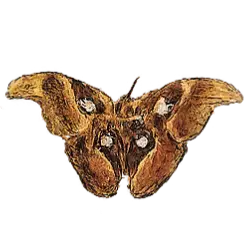
Atlas Moth (Attacus atlas) thumbnail image on AnimalDex

Atlas Moth

Species principle: Final Splendor

Spend the stored light.

Preparation becomes magnificent when the brief window finally opens.

Atlas Moths are giant silk moths whose adults have short lives, do not feed, and rely on energy stored from the larval stage for reproduction.

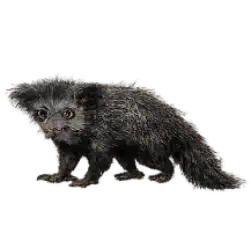
Aye-aye (Daubentonia madagascariensis) thumbnail image on AnimalDex

Aye-aye

Species principle: Finger Percussion

Tap the hidden wood.

The hidden treasure answers the one who knows how to knock.

Aye-ayes use percussive foraging, tapping wood with an elongated finger, listening with large ears, then gnawing and extracting larvae with the same specialized finger.

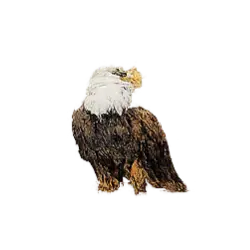
Bald Eagle (Haliaeetus leucocephalus) thumbnail image on AnimalDex

Bald Eagle

Species principle: High Vision

Scan the water.

The next move simplifies when the whole water is seen from above.

Bald Eagles perch or soar near large water bodies, using sharp vision and powerful flight to locate fish, carrion, and other prey from a distance.

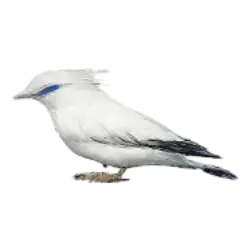
Bali Myna (Leucopsar rothschildi) thumbnail image on AnimalDex

Bali Myna

Species principle: Protected Beauty

Guard the white jewel.

Rare beauty becomes sacred when it can disappear from the world.

Bali Mynas are critically rare island birds with white plumage, crests, and blue facial skin, heavily dependent on conservation and protected habitat.

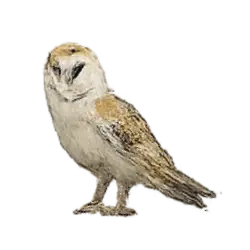
Barn Owl (Tyto alba) thumbnail image on AnimalDex

Barn Owl

Species principle: Acoustic Precision

Hear the hidden.

The unseen becomes visible to the one shaped to hear it.

Barn Owls have silent flight and a heart-shaped facial disc that helps funnel sound to asymmetrical ears, allowing precise location of hidden prey in darkness.

Beluga Whale (Delphinapterus leucas) thumbnail image on AnimalDex

Beluga Whale

Species principle: Vocal Flexibility

Sing through ice.

A flexible voice finds more than one way through the cold.

Beluga Whales are highly vocal Arctic whales known for clicks, whistles, chirps, echolocation, flexible necks, and social communication in cold waters.

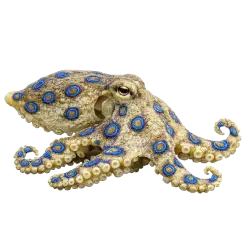
Blue-ringed Octopus (Hapalochlaena lunulata) thumbnail image on AnimalDex

Blue-ringed Octopus

Species principle: Ringed Warning

Flash the rings.

A clear signal can stop danger before contact becomes necessary.

Blue-ringed Octopuses flash vivid blue rings when threatened. Their small bodies carry highly potent venom, making the warning display an important deterrent signal.

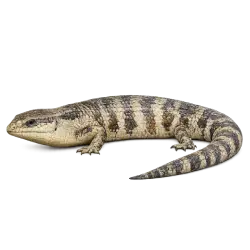
Blue-tongued Skink (Tiliqua scincoides) thumbnail image on AnimalDex

Blue-tongued Skink

Species principle: Bluff

Flash the tongue.

A sudden signal can end a fight before it begins.

Blue-tongued Skinks use a bright blue tongue display, body flattening, hissing, and open-mouth postures to startle or warn predators when threatened.

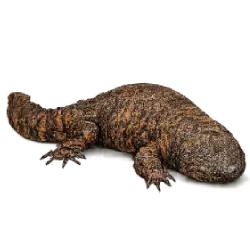
Chinese Giant Salamander (Andrias davidianus) thumbnail image on AnimalDex

Chinese Giant Salamander

Species principle: River Hidden Magnitude

Hide like a river log.

Great size can disappear when it learns the shape of the river.

Chinese Giant Salamanders are enormous aquatic salamanders that hide among rocks in cold streams and rivers, using flattened bodies and ambush behavior.

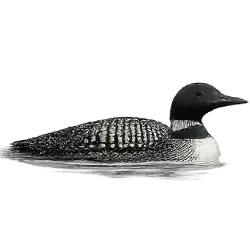
Common Loon (Gavia immer) thumbnail image on AnimalDex

Common Loon

Species principle: Deep Focus

Dive below, call above.

Mastery lives both below the surface and in the sound that returns.

Common Loons are powerful underwater divers with legs set far back for swimming and haunting vocalizations used across northern lakes.

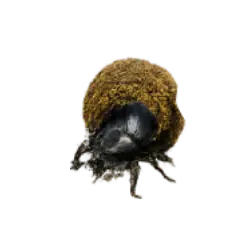
Dung Beetle (Scarabaeinae) thumbnail image on AnimalDex

Dung Beetle

Species principle: Renewal

Turn mess into soil.

Nothing is only waste when it can be returned to the soil of growth.

Dung Beetles roll, bury, and process dung. This behavior recycles nutrients into soil, reduces waste, and supports healthier ecosystems.

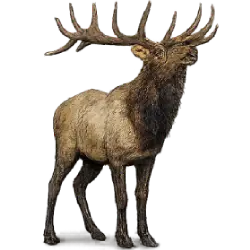
Elk (Cervus canadensis) thumbnail image on AnimalDex

Elk

Species principle: Valley Voice

Bugle the valley.

A great call can stitch distance into one living field.

Elk use powerful bugling calls during the rut and move in herds across forests, meadows, and valleys, combining size, sound, and social presence.

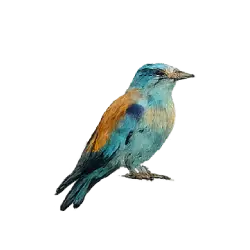
European Roller (Coracias garrulus) thumbnail image on AnimalDex

European Roller

Species principle: Rolling Display

Roll the sky.

Let bold motion announce readiness.

European rollers perform rolling, diving courtship flights that make their color and agility visible.

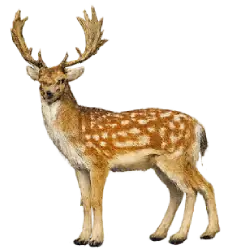
Fallow Deer (Dama dama) thumbnail image on AnimalDex

Fallow Deer

Species principle: Elegance

Move gently, stand tall.

Strength can move gently and still be seen.

Fallow Deer are known for palmate antlers in males, spotted coats in many individuals, and social movement through meadows, parks, and woodland edges. Males display and compete during the rut.

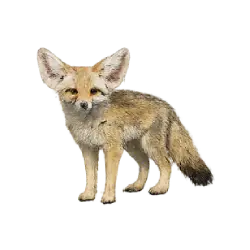
Fennec Fox (Vulpes zerda) thumbnail image on AnimalDex

Fennec Fox

Species principle: Listening

Hear the sand.

Survival begins by hearing what the heat tries to hide.

Fennec Foxes have very large ears that help detect prey sounds underground and dissipate heat, supporting survival in desert environments.

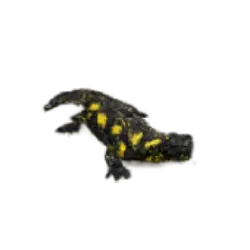
Fire Salamander (Salamandra salamandra) thumbnail image on AnimalDex

Fire Salamander

Species principle: Warning Beauty

Wear the flame.

Being visible can protect you when the signal is honest.

Fire Salamanders have bright yellow or orange warning markings and toxic skin secretions, often active in moist forests after rain.

Firefly (Lampyridae) thumbnail image on AnimalDex

Firefly

Species principle: Observation

See clearly before acting.

A strong signal is not necessarily a loud one. The best signals are energy-efficient, hard to confuse, and tuned to the right audience.

Luciferin-based light production, species-specific flash timing, and low-light visual sensitivity make fireflies highly efficient communication hardware for dark environments. Fireflies turn mating, territory, and species recognition into precise light code. They show that even small organisms can coordinate behavior cleanly when signals are cheap, legible, and well-timed.

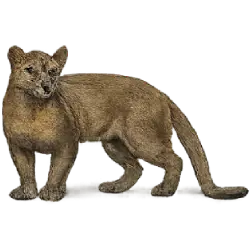
Fossa (Cryptoprocta ferox) thumbnail image on AnimalDex

Fossa

Species principle: Canopy Pursuit

Follow through branches.

The chase belongs to the body that can follow the prey through every branch.

Fossas are Madagascar’s largest native carnivores, with flexible bodies, long tails, and climbing ability that help them hunt lemurs through forest canopy and ground.

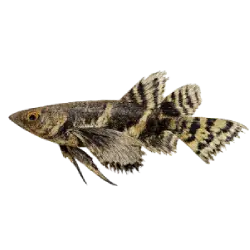
Freshwater Butterflyfish (Pantodon buchholzi) thumbnail image on AnimalDex

Freshwater Butterflyfish

Species principle: Surface Composure

Hold the surface.

Stay calm at the surface and you can strike without being shaken.

Freshwater Butterflyfish live near the water surface, using wing-like pectoral fins, upward-facing mouths, and sudden surface strikes to catch insects.

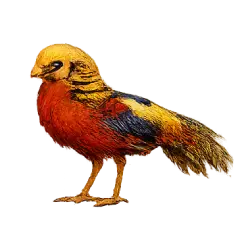
Golden Pheasant (Chrysolophus pictus) thumbnail image on AnimalDex

Golden Pheasant

Species principle: Radiance

Show when it matters.

Visibility has power when it is saved for the moment it can change fate.

Male Golden Pheasants are known for vivid ornamental plumage used in courtship display. Their bright crest, cape, body colors, and long tail make display central to their reproductive behavior.

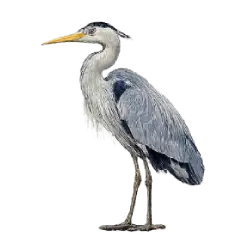
Great Blue Heron (Ardea herodias) thumbnail image on AnimalDex

Great Blue Heron

Species principle: Poise

Stand until strike.

One clean strike is born from a long quiet body.

Great Blue Herons stand motionless in shallow water, then strike quickly with long necks and sharp bills to catch fish and other aquatic prey.

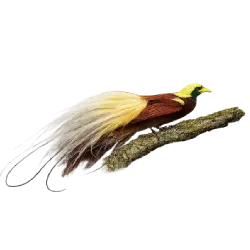
Greater Bird-of-paradise (Paradisaea apoda) thumbnail image on AnimalDex

Greater Bird-of-paradise

Species principle: Golden Presentation

Turn branch to stage.

Attention becomes opportunity when the branch becomes a stage.

Male Greater Birds-of-paradise display long golden flank plumes and perform courtship displays on display perches to attract females.

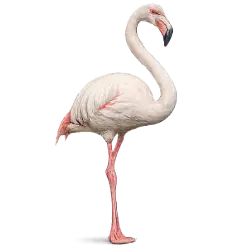
Greater Flamingo (Phoenicopterus roseus) thumbnail image on AnimalDex

Greater Flamingo

Species principle: Lake Filtration

Filter the lake.

Grace becomes practical when it knows exactly what to filter.

Greater Flamingos use specialized filter-feeding bills and long legs to feed on small organisms in shallow saline and alkaline waters.

Explore related indexes