AnimalDex
id
Open menu
Kembali ke Prinsip

Prinsip Perilaku

Observation

See clearly before acting.

66 spesies

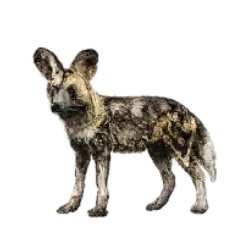
African Wild Dog (Lycaon pictus) thumbnail image on AnimalDex

African Wild Dog

See clearly before acting.

High-performance teams do not need constant hierarchy chatter. Shared rules, clean signals, and role clarity create speed that solo talent cannot match.

Oversized ears, endurance-focused limbs, and a social communication stack built on posture, vocal cues, and pack coordination turn the African wild dog into elite pursuit hardware. African wild dogs pressure prey populations through coordinated movement rather than isolated brute force. They help shape herbivore behavior, redistribute risk across landscapes, and reward connected ecosystems over fragmented ones.
Buka halaman hewan
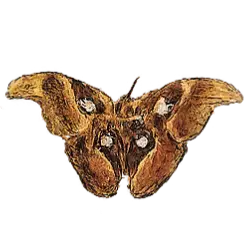
Atlas Moth (Attacus atlas) thumbnail image on AnimalDex

Atlas Moth

See clearly before acting.

Not every phase should multitask. Some windows are for building, others are for deploying.

Massive wing display, stored larval energy, and adult life focused almost entirely on reproduction make atlas moths short-window signaling hardware. Atlas moths compress their adult mission into mating, while caterpillars do the real accumulation phase earlier. The design is blunt but effective: build first, signal later.

Buka halaman hewan
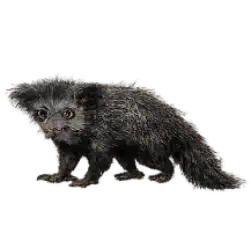
Aye-aye (Daubentonia madagascariensis) thumbnail image on AnimalDex

Aye-aye

See clearly before acting.

Weird tools can be exactly right when the problem itself is unusual.

Large ears and wide eyes, dark shaggy fur, and rodent-like front teeth give the Aye-aye a body plan tuned for its niche. Aye-ayes operate in rainforest, secondary forest, and mixed wooded habitat on Madagascar. Their design helps them match food access, shelter, and timing inside that environment.

Buka halaman hewan
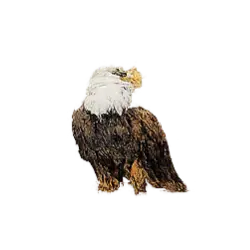
Bald Eagle (Haliaeetus leucocephalus) thumbnail image on AnimalDex

Bald Eagle

See clearly before acting.

Altitude is a strategy. Step back, widen the field, and let pattern recognition do work before you commit energy to the dive.

Long-range vision, broad soaring wings, and a hooked bill optimized for fish capture make the bald eagle a precision hunter built for scanning large water systems with minimal wasted energy. Bald eagles sit near the top of aquatic food chains, linking fish-rich waterways to wider nutrient and predator dynamics. Where they persist, they often reflect habitat quality, prey stability, and protected nesting space.

Buka halaman hewan
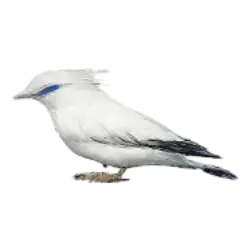
Bali Myna (Leucopsar rothschildi) thumbnail image on AnimalDex

Bali Myna

See clearly before acting.

Scarcity magnifies every mistake. The smaller the system, the less room there is for casual damage.

A cavity-nesting body plan, conspicuous plumage, and flexible insect-fruit feeding make Bali mynas light woodland hardware with unusually high exposure to human pressure. The species reveals how quickly a tiny island system can lose resilience when trapping and habitat loss converge. It is less a backup component than a warning light about scarcity.

Buka halaman hewan
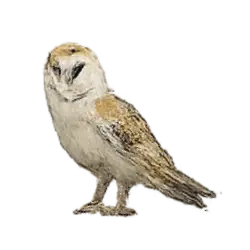
Barn Owl (Tyto alba) thumbnail image on AnimalDex

Barn Owl

Listen before you move.

Quiet observation often reveals opportunities that noise hides.

Barn owls use asymmetrical ears, a facial sound-disc, and near-silent flight to locate prey precisely in low-light conditions.

Buka halaman hewan
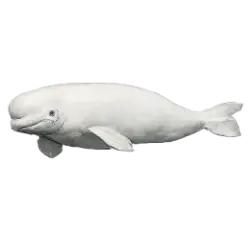
Beluga Whale (Delphinapterus leucas) thumbnail image on AnimalDex

Beluga Whale

See clearly before acting.

In cloudy or icy environments, communication and sensing become as important as raw power.

Pure white body in adults, rounded forehead called a melon, and no dorsal fin give the Beluga Whale a body plan tuned for its niche. Beluga Whales operate in arctic and sub-Arctic coastal seas, estuaries, and river mouths. Their design helps them match food access, shelter, and timing inside that environment.

Buka halaman hewan
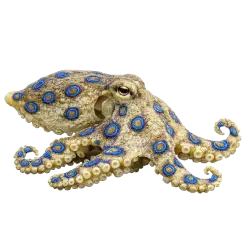
Blue-ringed Octopus (Hapalochlaena lunulata) thumbnail image on AnimalDex

Blue-ringed Octopus

See clearly before acting.

A very small system can still command distance if the warning is unmistakable.

tiny body with flashing blue rings, strong venom, and reef-crevice camouflage give the Blue-ringed Octopus a body plan tuned for its niche. Blue-ringed Octopuss operate through shallow reef, tide pool, and rocky coastal water Their design links movement, shelter, and feeding into one workable survival system.

Buka halaman hewan
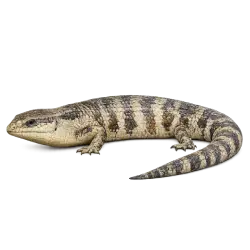
Blue-tongued Skink (Tiliqua scincoides) thumbnail image on AnimalDex

Blue-tongued Skink

See clearly before acting.

A dramatic signal can change the contest before contact even happens.

Heavy smooth-scaled body, short legs and broad head, and bright blue tongue display give the Blue-tongued Skink a body plan tuned for its niche. Blue-tongued Skinks operate in grassland, woodland, scrubland, gardens, and dry open habitats. Their design helps them match food access, shelter, and timing inside that environment.

Buka halaman hewan
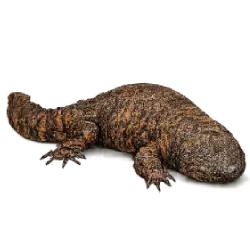
Chinese Giant Salamander (Andrias davidianus) thumbnail image on AnimalDex

Chinese Giant Salamander

See clearly before acting.

Do not mistake ancient design for outdated design. Some systems are optimized so tightly they fail only when the operating environment is broken.

Massive flattened body, sensory skin folds, and low-light aquatic hunting design make this salamander bottom-channel hardware for fast freshwater systems. It occupies cold river systems as a quiet apex amphibian, converting hidden structure into predatory leverage. Its decline also makes one point painfully clear: specialized hardware collapses fast when the channel is redesigned.

Buka halaman hewan
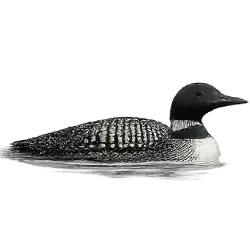
Common Loon (Gavia immer) thumbnail image on AnimalDex

Common Loon

See clearly before acting.

Quiet environments reveal more when the system is built to slip below the surface.

Spear-like bill, checkered black-and-white breeding plumage, and sits low in the water give the Common Loon a body plan tuned for its niche. Common Loons operate in clear northern lakes during breeding and coastal marine waters in winter. Their design helps them match food access, shelter, and timing inside that environment.

Buka halaman hewan
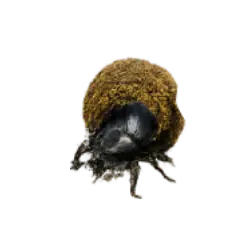
Dung Beetle (Scarabaeinae) thumbnail image on AnimalDex

Dung Beetle

See clearly before acting.

Systems improve when someone handles the unglamorous throughput everyone else would rather ignore.

Compact pushing strength, scent tracking, and ball-rolling behavior make dung beetles nutrient-transfer hardware for grasslands and forests. Dung beetles bury waste, suppress parasites, and move fertility back into the soil. They perform janitorial work that every productive ecosystem quietly depends on.

Buka halaman hewan
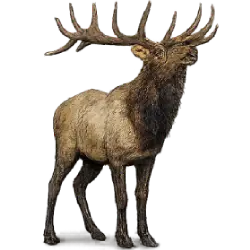
Elk (Cervus canadensis) thumbnail image on AnimalDex

Elk

See clearly before acting.

A far-carrying signal matters most when a system is spread over a large space.

huge sweeping antlers on males, deep bugling breeding calls, and long-distance herd travel give the Elk a body plan tuned for its niche. Elks operate through mountain meadow, open forest, valley grassland, and river-edge habitat Their design links movement, shelter, and feeding into one workable survival system.

Buka halaman hewan
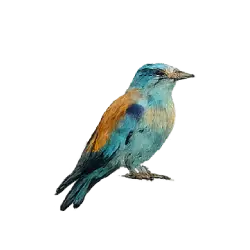
European Roller (Coracias garrulus) thumbnail image on AnimalDex

European Roller

See clearly before acting.

A memorable signal can make a brief window much more effective.

electric blue plumage, rolling courtship flight, and perch-and-pounce hunting give the European Roller a body plan tuned for its niche. European Rollers operate through open woodland, farmland edge, dry grassland, and migratory stopover country Their design links movement, shelter, and feeding into one workable survival system.

Buka halaman hewan
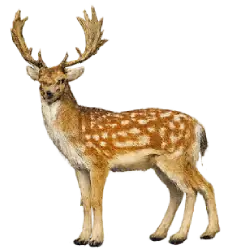
Fallow Deer (Dama dama) thumbnail image on AnimalDex

Fallow Deer

See clearly before acting.

Distinct shape can become its own kind of identity signal.

broad palmate antlers, variable coat patterns, and parkland grazing behavior give the Fallow Deer a body plan tuned for its niche. Fallow Deers operate through open woodland, meadow, and park-like grassland Their design links movement, shelter, feeding, and survival into one workable system.

Buka halaman hewan
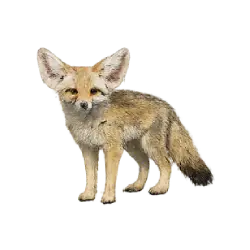
Fennec Fox (Vulpes zerda) thumbnail image on AnimalDex

Fennec Fox

See clearly before acting.

In harsh environments, the best upgrade is often better sensing, not more force.

Oversized ears, sand-ready feet, and heat-dumping body proportions make the fennec fox sensory hardware for dry low-cover hunting. Fennecs convert small nighttime signals into survival in habitats with little margin for wasted motion. They show how desert systems reward detection and cooling more than brute power.

Buka halaman hewan
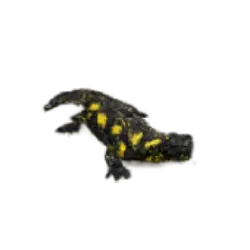
Fire Salamander (Salamandra salamandra) thumbnail image on AnimalDex

Fire Salamander

See clearly before acting.

A clean message can protect a slow-moving system.

black body with yellow markings, moist forest-floor lifestyle, and toxic skin defense give the Fire Salamander a body plan tuned for its niche. Fire Salamanders operate through cool forest, streamside woodland, and damp mountain habitat Their design links movement, shelter, and feeding into one workable survival system.

Buka halaman hewan
Firefly (Lampyridae) thumbnail image on AnimalDex

Firefly

See clearly before acting.

A strong signal is not necessarily a loud one. The best signals are energy-efficient, hard to confuse, and tuned to the right audience.

Luciferin-based light production, species-specific flash timing, and low-light visual sensitivity make fireflies highly efficient communication hardware for dark environments. Fireflies turn mating, territory, and species recognition into precise light code. They show that even small organisms can coordinate behavior cleanly when signals are cheap, legible, and well-timed.

Buka halaman hewan
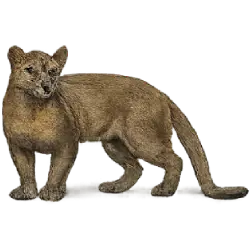
Fossa (Cryptoprocta ferox) thumbnail image on AnimalDex

Fossa

See clearly before acting.

Unique environments often produce unique solutions at the top of the system.

cat-like climbing body, long balancing tail, and top predator in Malagasy forest give the Fossa a body plan tuned for its niche. Fossas operate through madagascan rainforest, dry forest, and wooded island habitat Their design links movement, shelter, and feeding into one workable survival system.

Buka halaman hewan
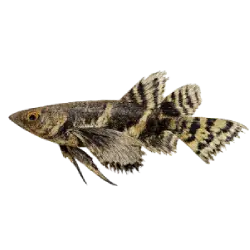
Freshwater Butterflyfish (Pantodon buchholzi) thumbnail image on AnimalDex

Freshwater Butterflyfish

See clearly before acting.

Where water controls movement, position and timing often matter more than speed.

wing-like pectoral fins, surface-skimming mouth, and still-water hovering give the Freshwater Butterflyfish a body plan tuned for its niche. Freshwater Butterflyfishs operate through quiet creek, pond, and swampy backwater. Their design links movement, feeding, shelter, and timing into one workable survival system.

Buka halaman hewan
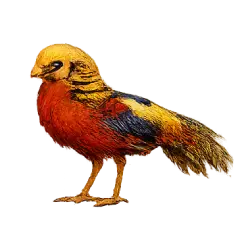
Golden Pheasant (Chrysolophus pictus) thumbnail image on AnimalDex

Golden Pheasant

See clearly before acting.

A bold signal does not have to be visible all the time to remain effective.

brilliant multicolored plumage, striped golden crest, and ground-foraging woodland life give the Golden Pheasant a body plan tuned for its niche. Golden Pheasants operate through mountain forest, dense thicket, and wooded hillside Their design links movement, shelter, and feeding into one workable survival system.

Buka halaman hewan
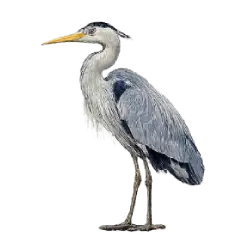
Great Blue Heron (Ardea herodias) thumbnail image on AnimalDex

Great Blue Heron

See clearly before acting.

Stillness is useful when it shortens the distance between signal and strike.

Long legs, telescoping neck mechanics, and a stabbing bill make herons patient interception hardware for shallow water prey. Herons regulate fish, frogs, and small aquatic animals while mapping wetland productivity in plain sight. They turn still water into an arena of timed precision rather than random waiting.

Buka halaman hewan
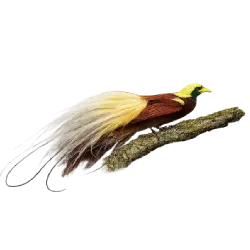
Greater Bird-of-paradise (Paradisaea apoda) thumbnail image on AnimalDex

Greater Bird-of-paradise

See clearly before acting.

A strong signal only matters if the audience can evaluate it clearly. Design for legibility, not just spectacle.

Elaborate flank plumes, strong canopy mobility, and behavior tuned for repeated performance make this bird a signaling system built for mate selection pressure. Birds-of-paradise shift reproductive competition into visible display arenas that concentrate attention and choice. They show how sexual selection can become a structural force in its own right.

Buka halaman hewan
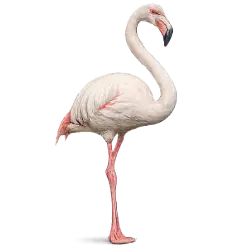
Greater Flamingo (Phoenicopterus roseus) thumbnail image on AnimalDex

Greater Flamingo

See clearly before acting.

Do not ignore low-level input streams. Tiny resources, processed well, can support very large systems.

Long legs, downturned filter-feeding bill, and flock-scale movement make flamingos wetland processing hardware for shallow nutrient-rich water. Flamingos convert microscopic productivity into visible biomass and signal whether a saline wetland is still functioning at scale. Their abundance is often a readout of the whole water chemistry story.

Buka halaman hewan

Jelajahi indeks terkait