AnimalDex
en
Back to Qualities

Animal Qualities

Display

Wear the difference.

Animals grouped here express a similar quality through their behavior in nature. Each species still has its own principle, lesson, meaning, and field-guide page.

34 species

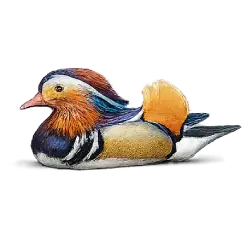
Mandarin Duck (Aix galericulata) thumbnail image on AnimalDex

Mandarin Duck

Species principle: Ornament

Wear the difference.

Difference becomes beauty when it is carried without apology.

Male Mandarin Ducks have ornate breeding plumage with bright colors and distinctive feather shapes used in courtship display.
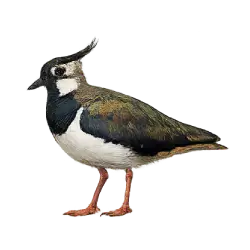
Northern Lapwing (Vanellus vanellus) thumbnail image on AnimalDex

Northern Lapwing

Species principle: Display Flight

Tumble the sky.

Joy becomes visible when the body writes loops in the air.

Northern Lapwings perform dramatic aerial display flights with rolling, tumbling, and calling over open fields and breeding territories.

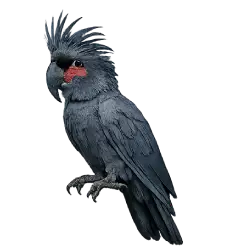
Palm Cockatoo (Probosciger aterrimus) thumbnail image on AnimalDex

Palm Cockatoo

Species principle: Percussion

Drum the branch.

A voice can travel farther when the body learns to use the forest as an instrument.

Male Palm Cockatoos are known to craft and use sticks or seed pods as tools to drum on tree hollows during display behavior.

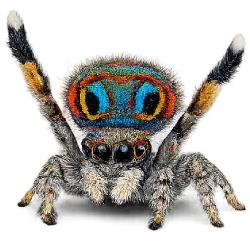
Peacock Spider (Maratus volans) thumbnail image on AnimalDex

Peacock Spider

Species principle: Tiny Spectacle

Dance the color.

A small stage can still hold a whole universe of display.

Male Peacock Spiders raise colorful abdominal flaps and perform precise courtship dances with leg movements and vibrations to attract females.

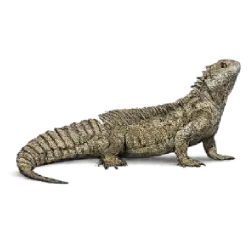
Philippine Sailfin Lizard (Hydrosaurus pustulatus) thumbnail image on AnimalDex

Philippine Sailfin Lizard

Species principle: Functional Display

Let the sail work.

A bold shape earns its beauty when it also helps the body move.

Philippine Sailfin Lizards have tall dorsal sails, strong limbs, and swimming ability, living around rivers and forest edges where climbing and water escape both matter.

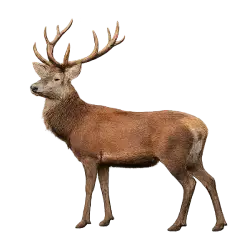
Red Deer (Cervus elaphus) thumbnail image on AnimalDex

Red Deer

Species principle: Rutting Presence

Roar the autumn.

A season of power announces itself until the whole meadow listens.

Red Deer stags use roaring calls, antler displays, scent marking, and contests during the autumn rut to compete for mates and territory.

Siberian Musk Deer (Moschus moschiferus) thumbnail image on AnimalDex

Siberian Musk Deer

Species principle: Alternate Weaponry

Choose another weapon.

Nature has more than one way to carry strength.

Siberian Musk Deer lack antlers but males have elongated upper canine tusks used in display and competition, while navigating mountain forests with careful movement.

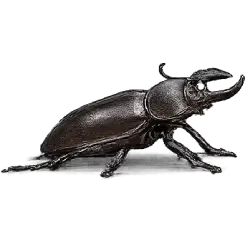
Stag Beetle (Lucanus cervus) thumbnail image on AnimalDex

Stag Beetle

Species principle: Ritual Combat

Lift the rival.

Even small armor can turn conflict into ceremony.

Male Stag Beetles have enlarged mandibles used to wrestle rival males for access to mates, often pushing and lifting opponents.

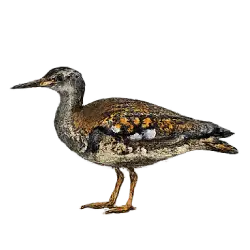
Sunbittern (Eurypyga helias) thumbnail image on AnimalDex

Sunbittern

Species principle: Revelation

Flash the sun.

A hidden gift becomes power when revealed at the exact moment.

Sunbitterns display dramatic eye-like wing patterns during threat displays and courtship, usually keeping the striking pattern concealed until needed.

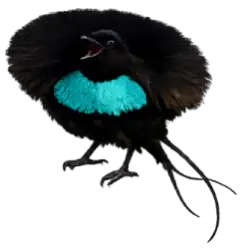
Superb Bird-of-paradise (Lophorina superba) thumbnail image on AnimalDex

Superb Bird-of-paradise

Species principle: Stage Transformation

Become the stage.

Performance becomes magic when the body changes the rules of its own shape.

Male Superb Bird-of-paradise transform their appearance during courtship by spreading black cape feathers and displaying a bright blue-green breast shield while dancing.

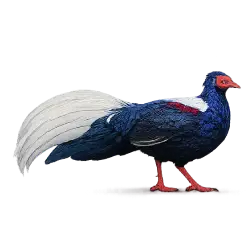
Swinhoe's Pheasant animal lesson image on AnimalDex

Swinhoe's Pheasant

Species principle: Cautious Color

Flash with caution.

Boldness is strongest when it still knows how to move through cover.

Swinhoe's Pheasants are colorful forest pheasants whose males display striking plumage while living in dense woodland cover.

Swordtail animal lesson image on AnimalDex

Swordtail

Species principle: Tail Signal

Signal with the tail.

Display works best when it is readable and purposeful.

Swordtails are livebearing fish whose males have elongated lower tail fins used in sexual display.

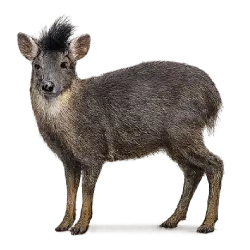
Tufted Deer (Elaphodus cephalophus) thumbnail image on AnimalDex

Tufted Deer

Species principle: Alternative Weapon

Grow the other weapon.

When the usual crown is absent, another weapon can speak.

Tufted Deer have small or hidden antlers and elongated canine tusks, especially in males, used in display or conflict in forested mountain habitats.

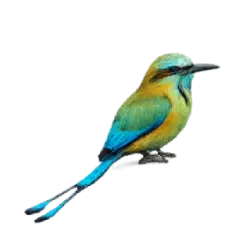
Turquoise-browed Motmot (Eumomota superciliosa) thumbnail image on AnimalDex

Turquoise-browed Motmot

Species principle: Racket-Tail Poise

Swing and wait.

Waiting becomes powerful when the whole body knows why it is still.

Turquoise-browed Motmots perch quietly while hunting insects and small prey, often swinging their racket-tipped tails in a distinctive pendulum-like display.

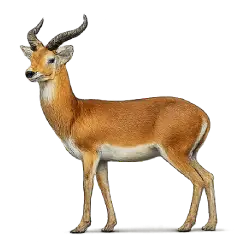
Ugandan Kob (Kobus kob thomasi) thumbnail image on AnimalDex

Ugandan Kob

Species principle: Display Ground

Dance the lek.

The best self appears where the stage, season, and signal meet.

Ugandan Kob males gather in lekking arenas and display to females with postures, movement, and territorial behavior on open grassland.

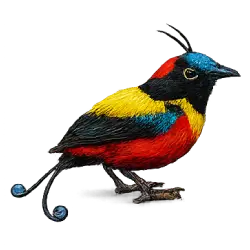
Wilson's Bird-of-paradise (Cicinnurus respublica) thumbnail image on AnimalDex

Wilson's Bird-of-paradise

Species principle: Stagecraft

Prepare the stage.

A rare signal becomes irresistible when the stage is prepared for it.

Male Wilson’s Birds-of-paradise perform vivid courtship displays on carefully maintained display courts, using extraordinary color, posture, and movement.

Explore related indexes