AnimalDex
en
Back to Qualities

Animal Qualities

Endurance

Carry the path.

Animals grouped here express a similar quality through their behavior in nature. Each species still has its own principle, lesson, meaning, and field-guide page.

43 species

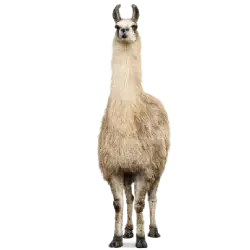
Llama (Lama glama) thumbnail image on AnimalDex

Llama

Species principle: Service

Carry the path.

Strength becomes trust when it helps carry the weight of the journey.

Llamas have long been used as pack animals in Andean mountain regions. Their padded feet, sure movement, thick coats, and endurance help them carry loads across rough terrain.
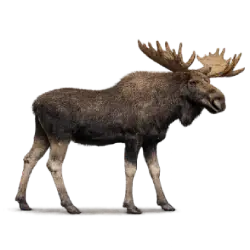
Moose (Alces alces) thumbnail image on AnimalDex

Moose

Species principle: Heavy Passage

Step through the swamp.

Great bodies cross hard ground by taking the long step calmly.

Moose have long legs, large bodies, and broad hooves that help them move through deep snow, wetlands, forests, and water while browsing vegetation.

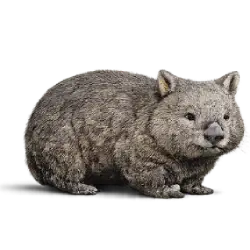
Northern Hairy-nosed Wombat (Lasiorhinus krefftii) thumbnail image on AnimalDex

Northern Hairy-nosed Wombat

Species principle: Enduring Burrow

Hold the burrow.

A species endures when its home is solid enough to hold the night.

Northern Hairy-nosed Wombats dig large burrow systems and graze mostly at night, relying on shelter and secure habitat for survival.

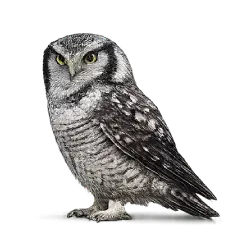
Northern Hawk Owl (Surnia ulula) thumbnail image on AnimalDex

Northern Hawk Owl

Species principle: Daylight Vigil

Watch the snow.

Endurance sharpens when the watcher stays awake through the pale season.

Northern Hawk Owls are diurnal or crepuscular owls that perch high and hunt in open boreal forest edges, often in snowy northern landscapes.

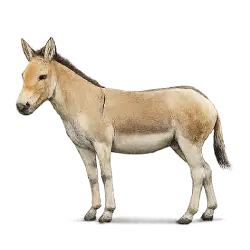
Onager (Equus hemionus) thumbnail image on AnimalDex

Onager

Species principle: Open-Range Freedom

Keep the distance.

Freedom survives by keeping enough distance between itself and capture.

Onagers are wild asses adapted to arid open landscapes, using speed, endurance, and alertness to move across deserts and steppes.

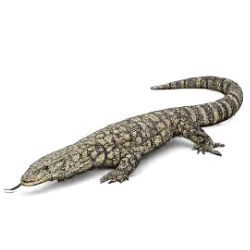
Perentie (Varanus giganteus) thumbnail image on AnimalDex

Perentie

Species principle: Desert Tracking

Read the desert.

Purpose crosses heat by reading the invisible trail.

Perenties are large Australian monitor lizards that use forked tongues and Jacobson's organ to track prey while moving powerfully through arid habitats.

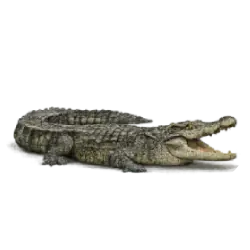
Philippine Crocodile (Crocodylus mindorensis) thumbnail image on AnimalDex

Philippine Crocodile

Species principle: Small Stronghold

Hold the small river.

A small stronghold can matter deeply when few safe waters remain.

Philippine Crocodiles are critically endangered freshwater crocodiles that inhabit rivers, marshes, and ponds in limited remaining habitats.

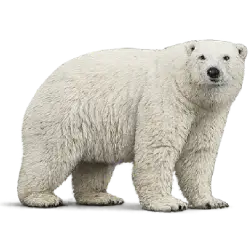
Polar Bear (Ursus maritimus) thumbnail image on AnimalDex

Polar Bear

Species principle: Endurance

Endure the winter.

Conditions don't determine outcomes.

Polar bears travel huge distances, endure cold, and survive long periods of scarcity.

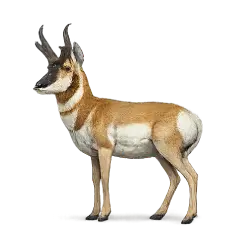
Pronghorn (Antilocapra americana) thumbnail image on AnimalDex

Pronghorn

Species principle: Open-Plain Speed

Run the horizon.

Freedom belongs to the body built to see far and run farther.

Pronghorns have exceptional speed and endurance, large eyes with wide fields of view, and adaptations for sustained running across open plains.

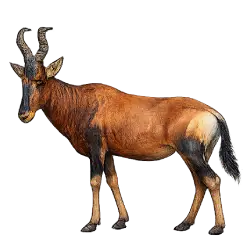
Red Hartebeest (Alcelaphus caama) thumbnail image on AnimalDex

Red Hartebeest

Species principle: Distance Durability

Run the long plain.

Endurance wins when the road refuses to end.

Red Hartebeests are plains antelope with long limbs and efficient running ability, adapted for open habitats and sustained movement.

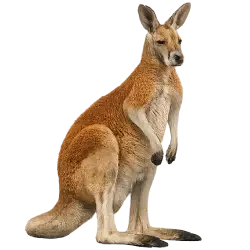
Red Kangaroo (Osphranter rufus) thumbnail image on AnimalDex

Red Kangaroo

Species principle: Rhythm

Find the bounce.

Distance becomes easier when effort finds its natural beat.

Red Kangaroos travel across open Australian habitats using powerful hind legs, elastic hopping, and a large tail that helps balance and support movement.

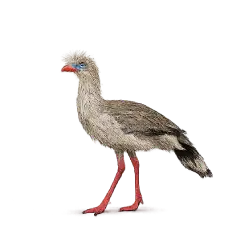
Red-legged Seriema (Cariama cristata) thumbnail image on AnimalDex

Red-legged Seriema

Species principle: Stride Voice

Stride and call.

A clear step and a far voice can carry confidence through open ground.

Red-legged Seriemas are long-legged terrestrial birds that stride through grasslands and scrub and use loud far-carrying calls.

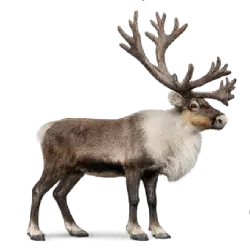
Reindeer (Rangifer tarandus) thumbnail image on AnimalDex

Reindeer

Species principle: Road Fit

Fit the road.

Endurance grows when the body fits the road ahead.

Reindeer have broad hooves, insulating fur, and seasonal migration patterns that help them move and forage across snow and tundra.

Russian Tortoise animal lesson image on AnimalDex

Russian Tortoise

Species principle: Dryland Endurance

Carry through dry ground.

Survival favors the one who can continue with little comfort.

Russian Tortoises are hardy tortoises adapted to dry environments, burrowing, seasonal dormancy, and slow steady movement.

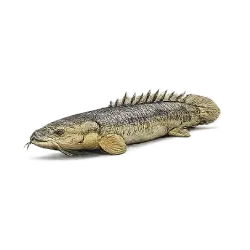
Senegal Bichir (Polypterus senegalus) thumbnail image on AnimalDex

Senegal Bichir

Species principle: Ancient Design

Keep the old design.

Old designs endure when they keep solving present problems.

Senegal Bichirs are ancient-looking fish with lungs or lung-like air-breathing capacity, armored scales, and dorsal finlets, allowing survival in low-oxygen waters.

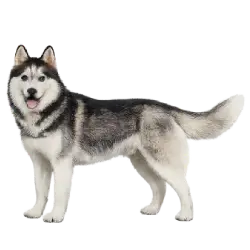
Siberian Husky animal lesson image on AnimalDex

Siberian Husky

Species principle: Pulling Resolve

Pull through.

Endurance grows when energy is directed toward the team and the trail ahead.

Siberian Huskies were bred for sled pulling across cold landscapes, relying on stamina, cooperation, and forward drive.

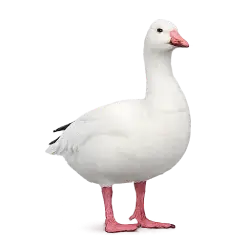
Snow Goose (Anser caerulescens) thumbnail image on AnimalDex

Snow Goose

Species principle: Passage

Travel together.

Great distance becomes survivable when movement is shared across generations.

Snow Geese migrate across vast distances in flocks, using calls, family bonds, and collective movement to navigate seasonal change between breeding and wintering grounds.

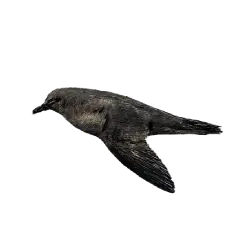
Sooty Shearwater (Ardenna grisea) thumbnail image on AnimalDex

Sooty Shearwater

Species principle: Global Endurance

Shear the globe.

Resilience is built by trusting the wing through enormous distance.

Sooty Shearwaters make some of the longest migrations of any bird, using efficient long-winged flight over vast ocean routes.

Explore related indexes