AnimalDex
en
Back to Qualities

Animal Qualities

Patience

Probe deeper.

Animals grouped here express a similar quality through their behavior in nature. Each species still has its own principle, lesson, meaning, and field-guide page.

124 species

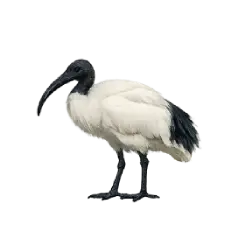
Sacred Ibis (Threskiornis aethiopicus) thumbnail image on AnimalDex

Sacred Ibis

Species principle: Inquiry

Probe deeper.

Hidden value answers the one patient enough to search beneath the surface.

Sacred Ibises use long curved bills to probe mud, soil, and shallow water for insects, crustaceans, small animals, and other food.

Sea Anemone animal lesson image on AnimalDex

Sea Anemone

Species principle: Patience

Rooted, not passive.

Receptivity works best when paired with boundaries.

Sea anemones are mostly stationary cnidarians that use stinging tentacles to capture prey and defend themselves.

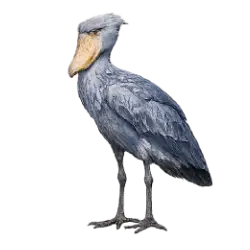
Shoebill (Balaeniceps rex) thumbnail image on AnimalDex

Shoebill

Species principle: Monumental Stillness

Stand like stone.

The world may mistake you for stone until the moment you move.

Shoebills are large wetland birds that stand very still for long periods before striking lungfish, fish, amphibians, and other prey with a massive shoe-shaped bill.

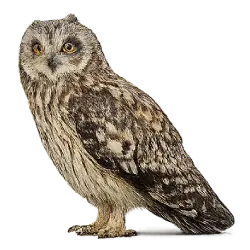
Short-eared Owl (Asio flammeus) thumbnail image on AnimalDex

Short-eared Owl

Species principle: Low Listening

Sweep the grass low.

The field reveals itself to the one who listens close to the ground.

Short-eared Owls hunt over open grasslands and marshes with low buoyant flight, using hearing and sight to locate small mammals.

Shubunkin Goldfish animal lesson image on AnimalDex

Shubunkin Goldfish

Species principle: Refinement

Refine with care.

Some forms of excellence come from patience, tradition, and precise attention.

Ornamental goldfish varieties are shaped by selective breeding and require careful aquatic husbandry.

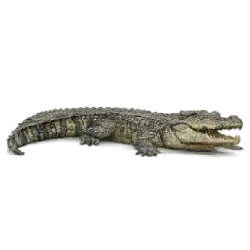
Siamese Crocodile (Crocodylus siamensis) thumbnail image on AnimalDex

Siamese Crocodile

Species principle: Calm Strength

Hold power calmly.

Strength does not need constant fierceness to remain real.

Siamese Crocodiles are freshwater crocodilians generally less aggressive than many larger crocodile species, using aquatic ambush behavior and wetland habitat.

Slug animal lesson image on AnimalDex

Slug

Species principle: Slow Contact

Stay in contact.

Progress can be soft, slow, and fully connected to the surface beneath you.

Slugs move by muscular waves over mucus and stay close to moist surfaces while feeding and sheltering.

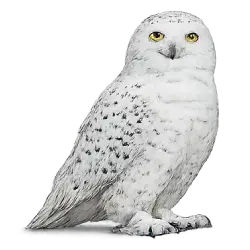
Snowy Owl (Bubo scandiacus) thumbnail image on AnimalDex

Snowy Owl

Species principle: Arctic Vigil

Watch the white.

In a white world, patience becomes a watchtower.

Snowy Owls hunt across open tundra and snowy landscapes using strong eyesight, hearing, silent flight, and high perches or ground positions to detect prey.

spider’s small size animal lesson image on AnimalDex

spider’s small size

Species principle: Patient Web

Prepare and wait.

Good preparation saves energy later.

Spiders build webs, sense vibration, conserve energy, and wait for movement instead of chasing everything.

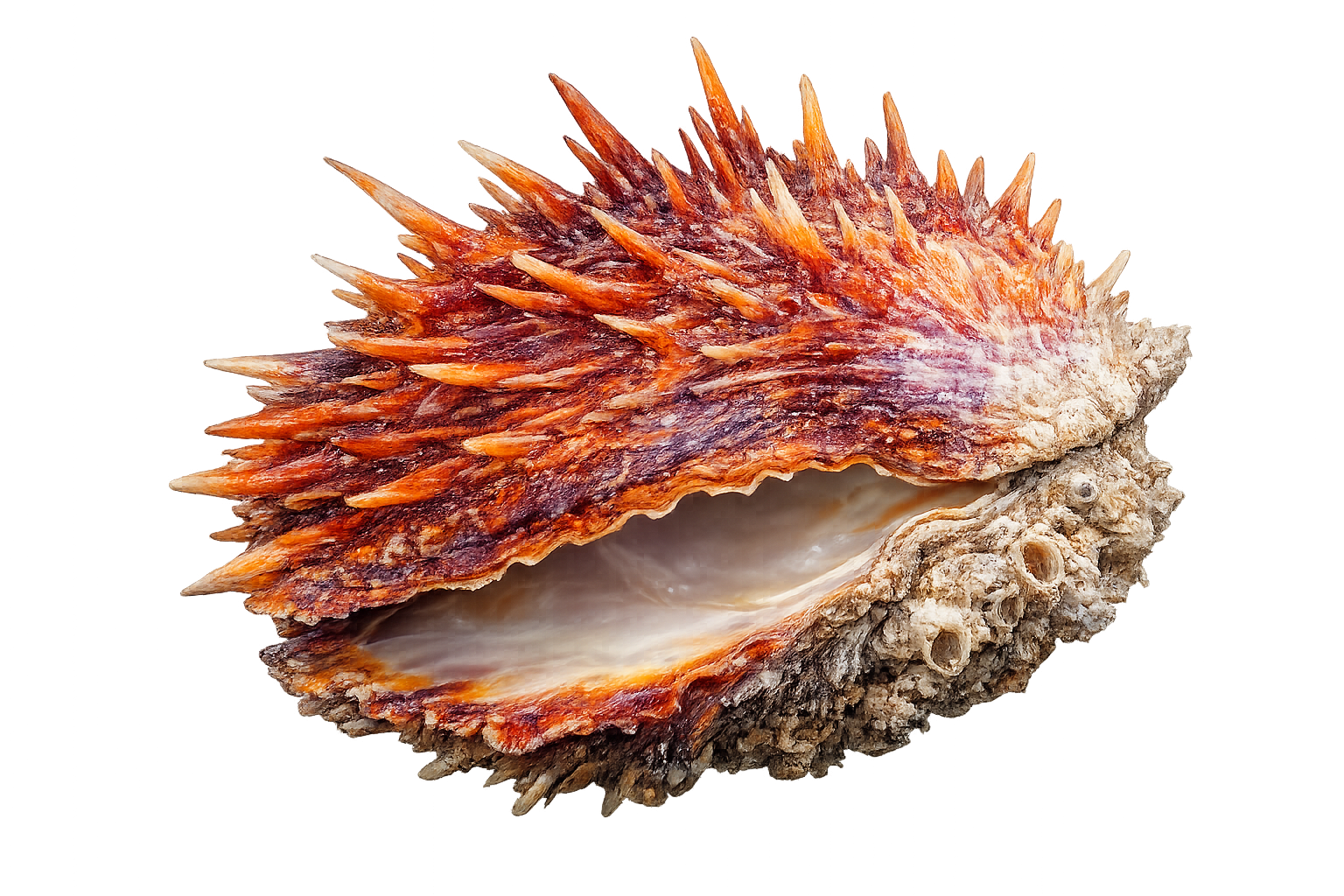
Spiny Oyster animal lesson image on AnimalDex

Spiny Oyster

Species principle: Rooting

Root and ornament.

Commitment to place can become a source of strength and identity.

Spiny oysters are sessile bivalves that attach to substrates and develop heavily ornamented shells.

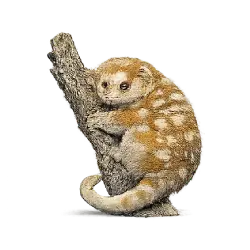
Spotted Cuscus (Spilocuscus maculatus) thumbnail image on AnimalDex

Spotted Cuscus

Species principle: Slow Grip

Clasp the branch.

Slow movement sees what hurried bodies pass beneath.

Spotted Cuscuses are nocturnal arboreal marsupials with strong gripping paws and slow deliberate movement through forest canopies.

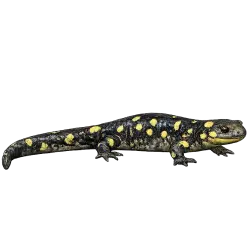
Spotted Salamander (Ambystoma maculatum) thumbnail image on AnimalDex

Spotted Salamander

Species principle: Spring Return

Return to the pool.

Consistency means finding the old water again when the season opens.

Spotted Salamanders migrate from forest burrows and leaf litter to temporary vernal pools for breeding, often during rainy spring nights.

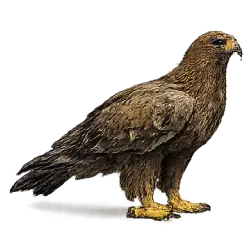
Steppe Eagle animal lesson image on AnimalDex

Steppe Eagle

Species principle: Wide Survey

Survey the steppe.

A wide life is understood from above before it is crossed below.

Steppe Eagles soar over open grasslands and arid plains, using broad wings and high vantage to search for carrion and prey across huge distances.

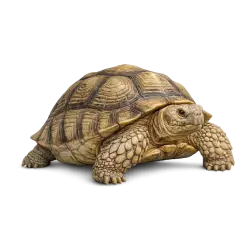
Sulcata Tortoise animal lesson image on AnimalDex

Sulcata Tortoise

Species principle: Endurance

Slow is strong.

Strength is often the ability to continue without rushing.

Sulcata tortoises are large, long-lived grazers adapted to hot dry regions and burrowing behavior.

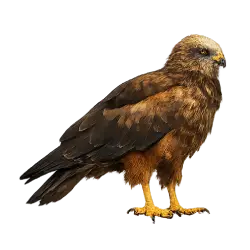
Swamp Harrier (Circus approximans) thumbnail image on AnimalDex

Swamp Harrier

Species principle: Low Search

Sweep low.

The hidden thing is found by the one willing to sweep close to the ground.

Swamp Harriers hunt by flying low over wetlands, reeds, and grasslands, quartering back and forth while searching for small animals and birds.

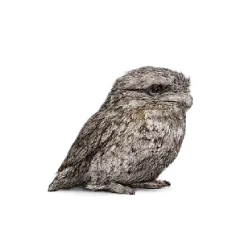
Tawny Frogmouth (Podargus strigoides) thumbnail image on AnimalDex

Tawny Frogmouth

Species principle: Disguise

Become broken bark.

The watcher becomes invisible by becoming what the forest expects to see.

Tawny Frogmouths use cryptic bark-like plumage and rigid still postures to resemble broken branches during the day, avoiding predators through camouflage.

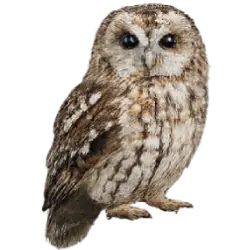
Tawny Owl (Strix aluco) thumbnail image on AnimalDex

Tawny Owl

Species principle: Attention

Listen through dusk.

Quiet power begins by hearing what the noisy world misses.

Tawny Owls hunt in woodland and edge habitats using silent flight, strong hearing, and low-light vision. They often wait from perches and listen before striking.

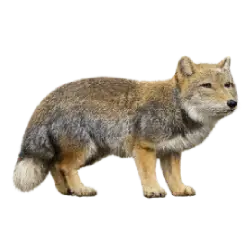
Tibetan Fox animal lesson image on AnimalDex

Tibetan Fox

Species principle: Plateau Focus

Stare down the plateau.

In a wide empty place, focus becomes the path.

Tibetan Foxes hunt on high plateaus, often targeting pikas with patient watching, careful steps, and a distinctive square-faced profile suited to open grasslands.

Explore related indexes