AnimalDex
en
Back to Qualities

Animal Qualities

Precision

Catch midair.

Animals grouped here express a similar quality through their behavior in nature. Each species still has its own principle, lesson, meaning, and field-guide page.

49 species

Red-footed Cannibalfly (Promachus rufipes) thumbnail image on AnimalDex

Red-footed Cannibalfly

Species principle: Aerial Capture

Catch midair.

Bold precision means taking the moment before it lands.

Red-footed Cannibalflies are robber flies that catch other insects in flight using strong spiny legs and piercing mouthparts to subdue prey.
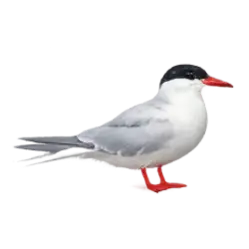
Roseate Tern (Sterna dougallii) thumbnail image on AnimalDex

Roseate Tern

Species principle: Tern Precision

Drop with grace.

Grace becomes useful when it can enter the water exactly where the fish is.

Roseate Terns are slender seabirds that forage by diving or dipping into water for small fish, using agile flight and precise vision over coastal waters.

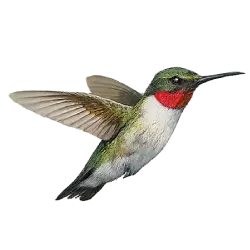
Ruby-throated Hummingbird (Archilochus colubris) thumbnail image on AnimalDex

Ruby-throated Hummingbird

Species principle: Control

Hold the hover.

Great power can live inside a body that holds itself exactly where it must be.

Ruby-throated Hummingbirds hover with rapid wingbeats while feeding on nectar using long bills and extendable tongues. They also make long seasonal migrations despite their tiny size.

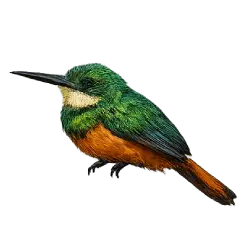
Rufous-tailed Jacamar (Galbula ruficauda) thumbnail image on AnimalDex

Rufous-tailed Jacamar

Species principle: Fit

Fit the dart.

When form fits purpose, the whole movement sharpens.

Rufous-tailed Jacamars perch and sally out to catch flying insects with long pointed bills, combining stillness, quick darts, and precise aerial feeding.

Sailfish (Istiophorus platypterus) thumbnail image on AnimalDex

Sailfish

Species principle: Ocean Acceleration

Sail into speed.

Power becomes exceptional when speed is guided by precision.

Sailfish are fast ocean predators with large dorsal sails and coordinated hunting behavior.

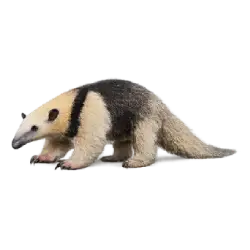
Southern Tamandua (Tamandua tetradactyla) thumbnail image on AnimalDex

Southern Tamandua

Species principle: Specialized Tools

Use the exact tool.

Odd jobs become simple when the tools are exact.

Southern Tamanduas use strong claws to open ant and termite nests, a prehensile tail for climbing, and a long sticky tongue to feed.

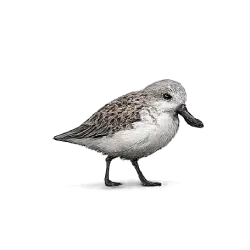
Spoon-billed Sandpiper (Calidris pygmaea) thumbnail image on AnimalDex

Spoon-billed Sandpiper

Species principle: Spoon Precision

Sweep the mud.

One special tool can turn mud into a map of hidden food.

Spoon-billed Sandpipers have distinctive spoon-shaped bills used to probe and sweep shallow mudflats for tiny invertebrates during migration and feeding.

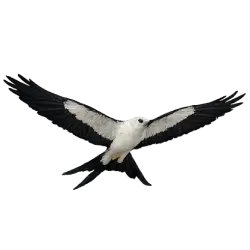
Swallow-tailed Kite (Elanoides forficatus) thumbnail image on AnimalDex

Swallow-tailed Kite

Species principle: Aerial Control

Carve the air.

The right shape turns open air into a path.

Swallow-tailed Kites use long pointed wings and deeply forked tails to steer with precision while gliding, turning, and catching prey in flight.

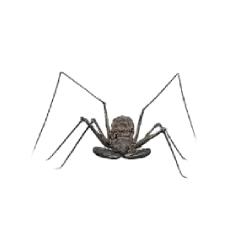
Tailless Whip Spider (Phrynus marginemaculatus) thumbnail image on AnimalDex

Tailless Whip Spider

Species principle: Tactile Mapping

Map with touch.

The dark becomes a map when touch reaches farther than sight.

Tailless Whip Spiders use long antenniform legs as sensory feelers to navigate caves, bark, and walls while hunting with spiny grasping pedipalps.

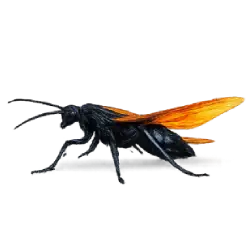
Tarantula Hawk Wasp (Pepsis grossa) thumbnail image on AnimalDex

Tarantula Hawk Wasp

Species principle: Skilled Courage

Sting with skill.

Courage grows larger when it is carried by exact skill.

Tarantula Hawk Wasps hunt tarantulas, paralyze them with a sting, and use the spider as food for their larvae.

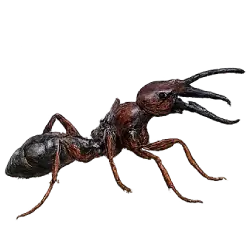
Trap-jaw Ant (Odontomachus bauri) thumbnail image on AnimalDex

Trap-jaw Ant

Species principle: Explosive Release

Snap and launch.

A single sharp tool can become both weapon and escape.

Trap-jaw Ants close their mandibles at extreme speeds to capture prey, defend themselves, and even launch their bodies away from threats.

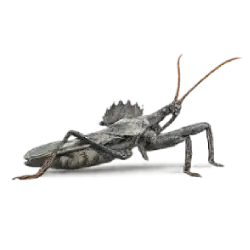
Wheel Bug (Arilus cristatus) thumbnail image on AnimalDex

Wheel Bug

Species principle: Piercing

Pierce the moment.

Unusual tools become power when they reach exactly where they must.

Wheel Bugs are assassin bugs with piercing-sucking mouthparts used to stab and feed on insect prey. Their cog-like thoracic crest makes them visually distinctive.

Xantus's Hummingbird (Basilinna xantusii) thumbnail image on AnimalDex

Xantus's Hummingbird

Species principle: Darting Purpose

Dart with purpose.

Tiny movement becomes powerful when every flash knows where it is going.

Xantus’s Hummingbirds feed on nectar with slender bills and fast hovering flight, moving through dry scrub and flowering plants with quick precise visits.

Explore related indexes