AnimalDex
en
Back to Qualities

Animal Qualities

Presence

Let presence travel.

Animals grouped here express a similar quality through their behavior in nature. Each species still has its own principle, lesson, meaning, and field-guide page.

28 species

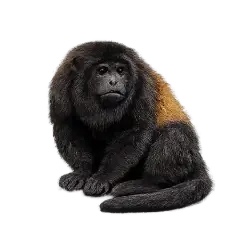
Mantled Howler Monkey (Alouatta palliata) thumbnail image on AnimalDex

Mantled Howler Monkey

Species principle: Distant Presence

Let presence travel.

Presence does not always need proximity; it can travel as sound.

Mantled Howler Monkeys have enlarged hyoid bones that enable loud calls carrying through forest canopy, supporting group spacing and communication.
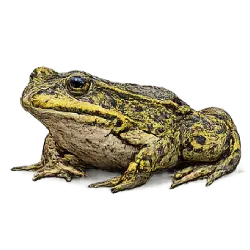
Marsh Frog (Pelophylax ridibundus) thumbnail image on AnimalDex

Marsh Frog

Species principle: Volume

Croak through reeds.

Energy becomes power when it has a place to sound.

Marsh Frogs use loud calls around ponds, rivers, and reed beds during breeding and territorial activity, while powerful hind legs let them leap through wetland edges.

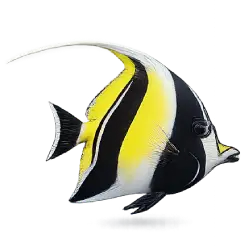
Moorish Idol (Zanclus cornutus) thumbnail image on AnimalDex

Moorish Idol

Species principle: Reef Icon

Carry the banner.

Presence can become unmistakable when form and movement carry the same signature.

Moorish Idols are reef fish with bold striping and a long trailing dorsal filament, using agile movement through coral reef structures while foraging.

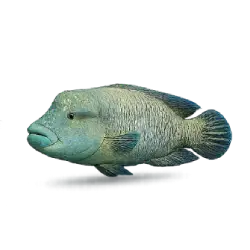
Napoleon Wrasse (Cheilinus undulatus) thumbnail image on AnimalDex

Napoleon Wrasse

Species principle: Reef Authority

Patrol with the hump.

Distinctive presence becomes authority when it belongs to the reef.

Napoleon Wrasse are large reef fish with prominent forehead humps, strong jaws, and patrol-like movement through coral reef habitats.

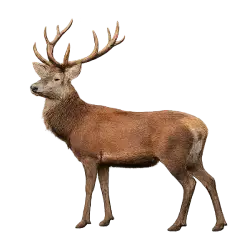
Red Deer (Cervus elaphus) thumbnail image on AnimalDex

Red Deer

Species principle: Rutting Presence

Roar the autumn.

A season of power announces itself until the whole meadow listens.

Red Deer stags use roaring calls, antler displays, scent marking, and contests during the autumn rut to compete for mates and territory.

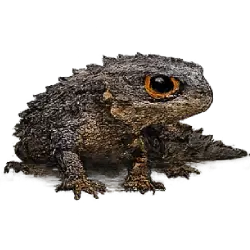
Red-eyed Crocodile Skink (Tribolonotus gracilis) thumbnail image on AnimalDex

Red-eyed Crocodile Skink

Species principle: Drama

Carry the drama.

Presence does not require size when every detail declares itself.

Red-eyed Crocodile Skinks have rough armor-like scales and vivid red-orange rings around the eyes. Their appearance, posture, and defensive stillness make a small forest-floor lizard look unusually dramatic.

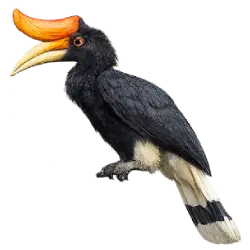
Rhinoceros Hornbill (Buceros rhinoceros) thumbnail image on AnimalDex

Rhinoceros Hornbill

Species principle: Casque Presence

Carry the casque.

A dramatic form has purpose when it carries sound, fruit, and lineage through the forest.

Rhinoceros Hornbills have large bills with prominent casques, loud calls, strong wingbeats, and important roles in rainforest fruit dispersal.

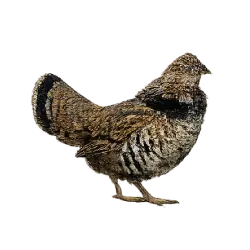
Ruffed Grouse (Bonasa umbellus) thumbnail image on AnimalDex

Ruffed Grouse

Species principle: Signal

Drum from cover.

Even a hidden life can send a message through the forest.

Male Ruffed Grouse produce a low drumming sound by rapidly beating their wings, usually from a log or display site, to advertise territory and attract mates.

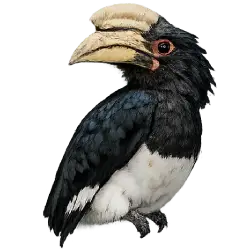
Trumpeter Hornbill (Bycanistes bucinator) thumbnail image on AnimalDex

Trumpeter Hornbill

Species principle: Heralding

Sound the canopy.

A voice carries farther when it is shaped for the forest.

Trumpeter Hornbills move through forest canopies and use loud ringing calls, along with large bills and casques typical of hornbills.

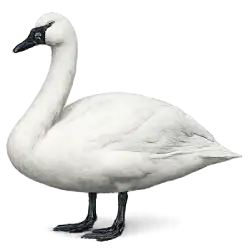
Trumpeter Swan (Cygnus buccinator) thumbnail image on AnimalDex

Trumpeter Swan

Species principle: Grandeur

Sound the lake.

A clear voice can make a quiet place feel vast.

Trumpeter Swans are large swans with resonant trumpet-like calls, strong pair bonds, and powerful presence on lakes, wetlands, and breeding territories.

Explore related indexes