

How Tigers Survive as Solo Apex Hunters
A systems look at tiger behavior, survival strategy, ecosystem role, and why this solitary predator remains one of the most effective hunters in the wild.
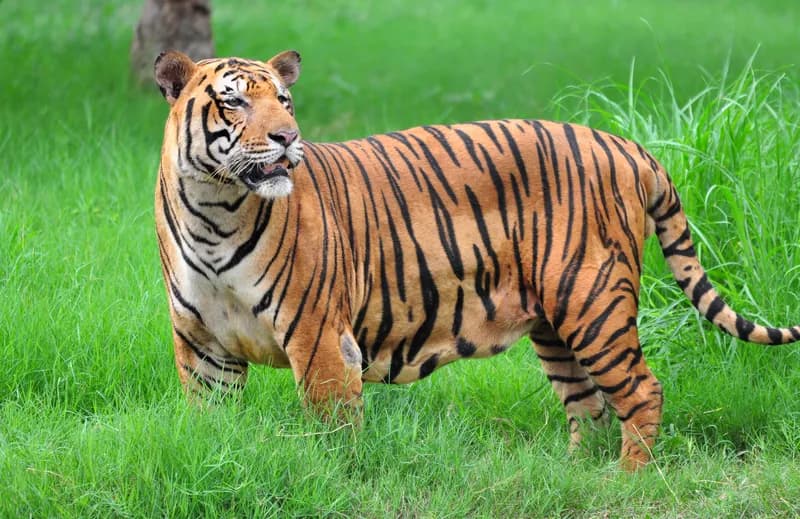
Why the tiger remains such a powerful animal story
Tigers keep attracting attention because they combine visual power with operational restraint. They are not noisy social predators. They are solitary systems that still manage to dominate high-value territory.
That makes them useful for understanding how ambush, camouflage, and energy discipline can outperform constant activity.
What makes a tiger unique?
A tiger blends striped camouflage, strong night vision, padded feet, and explosive forelimb force into one close-range hunting package. The body is built for concealment and violent resolution, not for long public chases.
That matters because the tiger’s edge is timing. It narrows the gap between hidden presence and decisive contact.
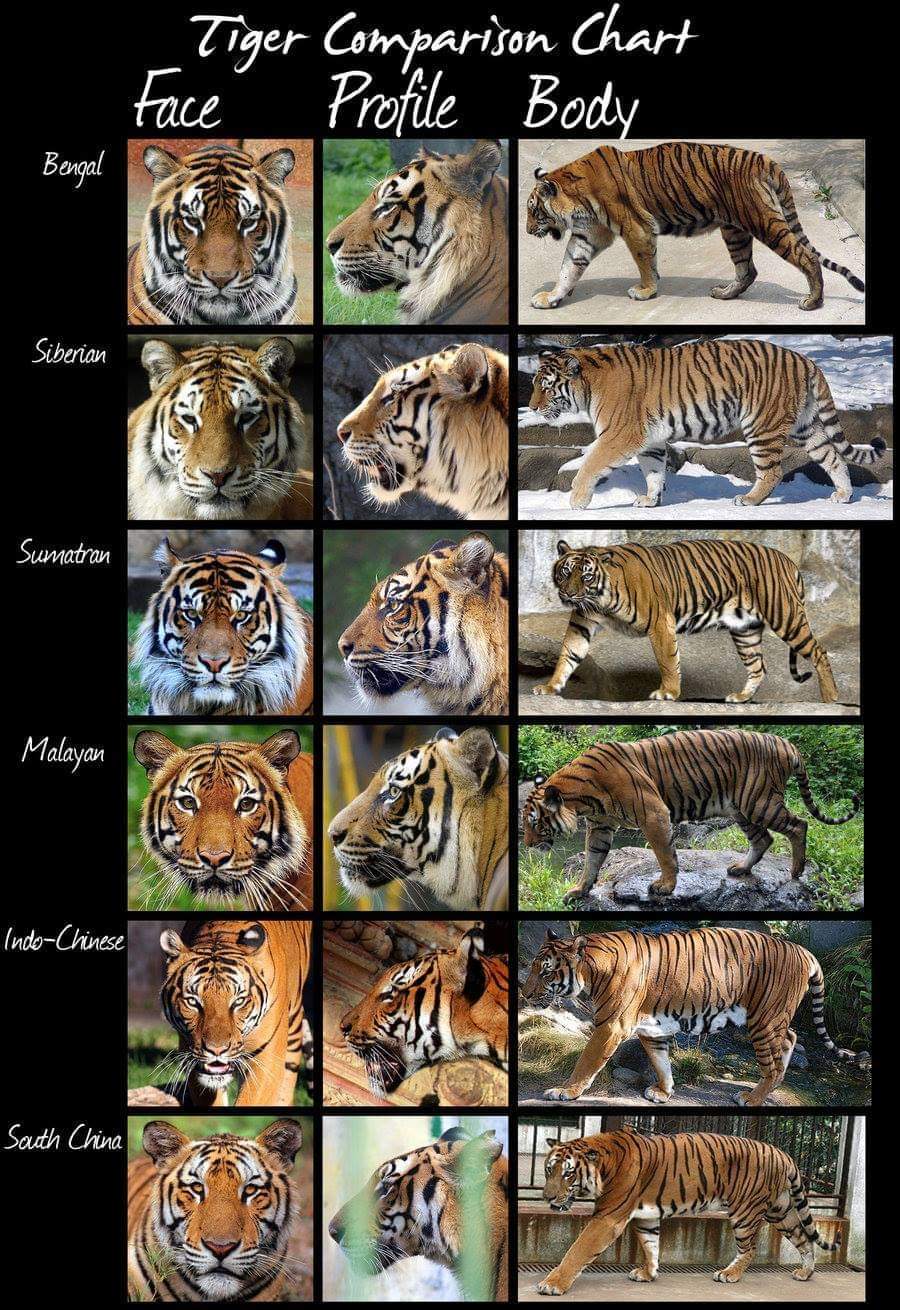
How to tell the difference between different tigers
The safest way to compare tiger types is to look at body build, stripe density, coat tone, and context together rather than forcing one trait to do all the work. Bengal tigers usually look larger and heavier through the chest and shoulders, with a rich orange coat and strong black striping across a broad frame.
Sumatran tigers usually read smaller, tighter, and more densely striped, often with a darker coat and a more compact build that fits dense forest conditions. If you compare Bengal tigers vs Sumatran tigers at a glance, Bengal tigers often feel broader and more open-patterned, while Sumatran tigers tend to look narrower, darker, and more tightly marked.
Those are useful visual rules, but they are not perfect on their own. Age, sex, lighting, posture, and individual variation can blur the differences, so the most reliable comparison is pattern plus proportions plus where the tiger originates.
How tigers survive without pack support
Tiger survival depends on territory quality, stealth, and careful energy budgeting. Every failed hunt is expensive, so the animal benefits from selecting situations where surprise is already doing part of the work.
This is why tiger animal behavior looks patient rather than busy. The tiger does not need constant motion to stay dangerous.
The ecosystem role of a tiger
Tigers regulate herbivores and other prey across forests, floodplains, and grasslands. Their ecosystem role is not just about the prey they kill, but also the caution they inject into prey movement patterns.
That risk pressure changes where animals feed, how long they stay exposed, and how vegetation recovers in response.
What humans can learn from tiger strategy
The tiger is a case study in high-value commitment. It holds energy until position and surprise make the move worth making.
That is the lesson. Activity is not the same as progress, and some systems win precisely because they stop doing low-leverage work.
Systems Intelligence & Hidden Purpose
See these animals as engineered biological systems: what they are built to do, how they fit the wider environment, and what their design can teach us.
System Role
The Solitary Ambush Accountant
Tiger
Specialized Hardware
Striped camouflage, padded feet, strong night vision, and explosive forelimb power make the tiger highly effective close-range strike hardware in dense cover.
Systems Script
Tigers regulate herbivore pressure and prey behavior across forests, wetlands, and grasslands. Their presence changes how other animals move, feed, and allocate risk, which then reshapes vegetation and recovery patterns.
Strategic Insight
A high-value move beats a high-volume one. Save force for the window where surprise and position make the cost worth paying.
Animals mentioned
Jump from this article into the species pages behind the examples, systems notes, and field-guide references.
Related comparisons
Continue with structured animal-vs-animal comparison pages connected to the species in this guide.
Bear vs Tiger: Who Has the Edge in a Real Clash?
Tiger is the safer general answer in a one-on-one land clash when stealth, timing, and clean engagement matter. A very large bear represented here by the polar bear changes the problem through sheer mass and durability, especially in open, cold terrain.
Read comparisonGorilla vs Tiger: Who Actually Has the Edge?
Tiger usually has the edge because it is a true apex ambush predator built for finishing violent encounters. Gorilla is enormously strong, but its body and behavior are not specialized for predator-style combat in the same way.
Read comparisonGrizzly Bear vs Tiger: Which Predator Has the Edge?
Grizzly bear gets the slight overall edge through larger frame, close-range durability, and brutal land-contact power. Tiger remains the better ambush starter and can look stronger if the fight begins from concealment with a clean opening lane.
Read comparisonTiger vs Cheetah Speed: Which Big Cat Is Actually Faster?
Cheetah is the faster cat when the question is raw land speed. Tiger is more powerful and more dangerous in a fight, but speed is the cheetah's clear domain.
Read comparisonAnswer guides related to this topic
If you want direct comparisons and clear recommendations, continue with these answer-focused pages.
Best Animal Identification App
Looking for the best animal identification app? Learn how AnimalDex combines AI scanning, collecting, rarity tracking, and field-guide learning in one app.
Read answer guideWhat Is Animal Collecting
Learn what animal collecting means in modern apps and how AnimalDex turns real-world sightings into cards, sets, rarity, and species learning.
Read answer guidePokemon-Like Animal App
Looking for a Pokemon-like animal app with real species? AnimalDex combines creature-collection energy with AI scanning and wildlife learning.
Read answer guideTurn what you learn into a real animal collection
Keep going in AnimalDex with the species behind this guide, real-world sighting context, and a collection that grows beyond the article.
Related guides
Tiger Symbolism: Solitary Power, Striped Stealth & Decisive Ambush
Explore tiger symbolism through striped camouflage, solitary ambush hunting, forest leverage, and the archetype of lowering signal until the strike is inevitable.
Read articleIndus River Dolphin Symbolism: Blind Observation, River Wisdom & Hidden Navigation
Explore Indus river dolphin symbolism through blind echolocation, river navigation, endangered status, and the archetype of seeing without eyes.
Read articleSnowy Owl Symbolism: Arctic Observation, Silent Wisdom & Patient Sight
Explore snowy owl symbolism through Arctic hunting, silent flight, patient observation, and the archetype of wisdom that waits in stillness.
Read article