

Tiger behaviorApex predatorAnimal survival
How Tigers Survive as Solo Apex Hunters
How tigers hunt alone: home-range sizes, a 5–10 percent hunting success rate, prey and kill rate, subspecies compared, and how to read tiger sign.
Listen to this story
Dalam panduan ini
Why the tiger remains such a powerful animal story
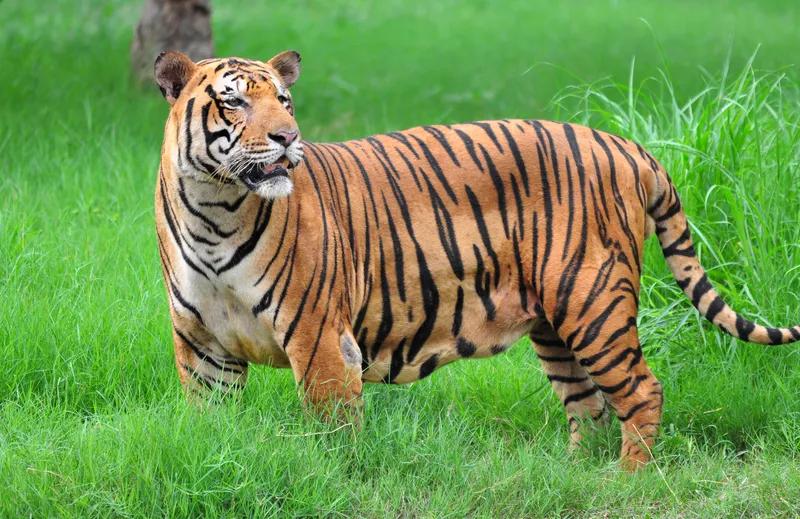
The tiger is the largest cat on Earth: a male Bengal or Amur tiger weighs 180 to 300 kilograms and measures up to 3 metres from nose to tail tip. Unlike lions, which hunt in prides, and wolves, which hunt in packs, a tiger does everything alone: finding, stalking, killing, and defending prey that often outweighs it, such as a 250-kilogram sambar or a gaur bull that can top 1,000 kilograms.
That solitary life is the real story. Around 5,500 tigers survive in the wild today across roughly 7 percent of their historic range, with India holding about two thirds of them. Each one runs a one-animal operation that has to balance ambush, camouflage, and energy discipline against a failure rate most predators would not survive.
What makes a tiger unique?
A tiger blends striped camouflage, night vision roughly six times more sensitive than ours thanks to a reflective tapetum behind the retina, padded silent feet, and explosive forelimb strength into one close-range hunting package. Its canines reach 7.5 centimetres, the longest of any living cat, and the kill is usually a throat bite that suffocates large prey or a nape bite that severs the spinal cord of smaller animals.
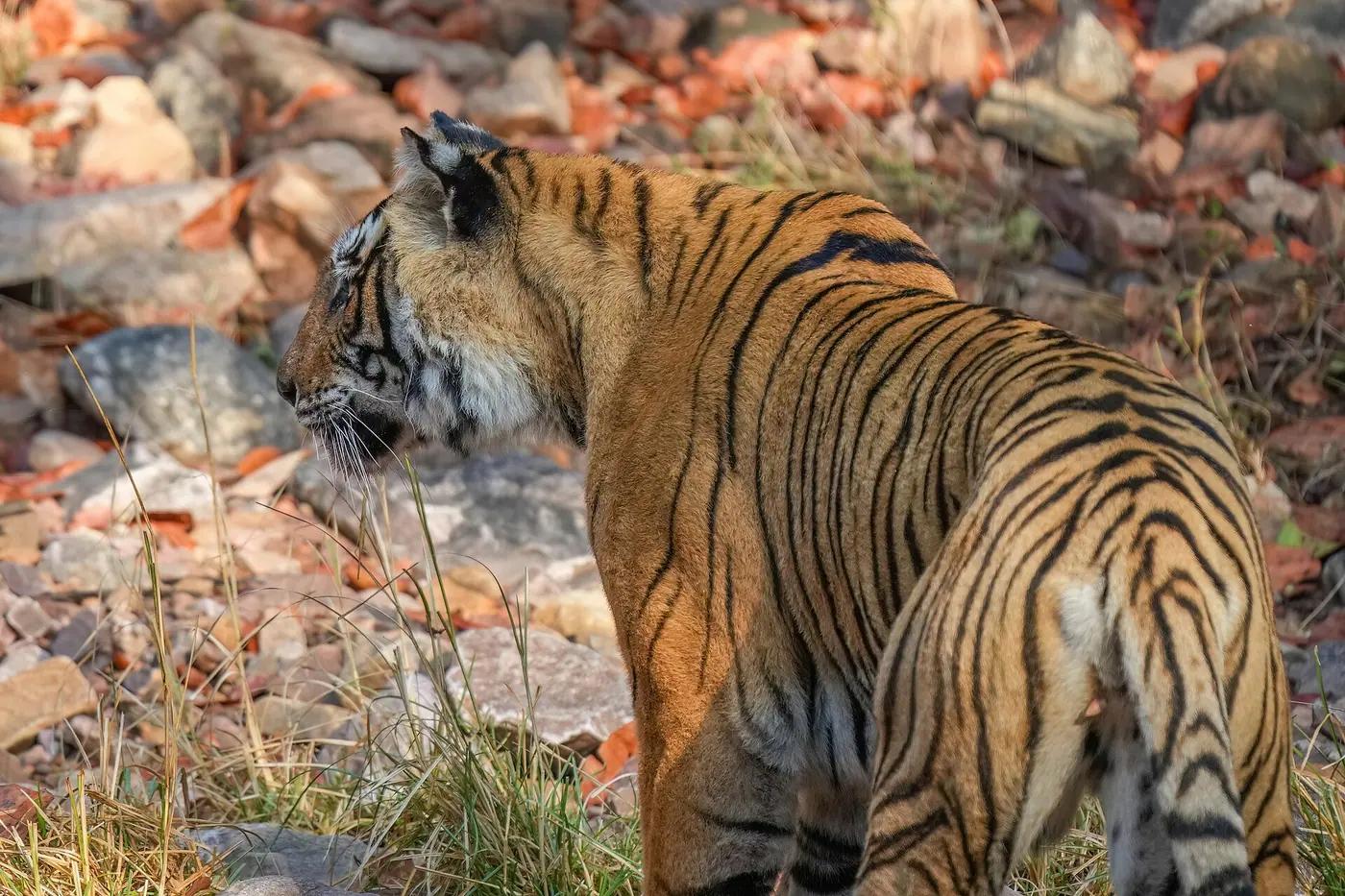
No two tigers share the same stripe pattern. The stripes are in the skin as well as the fur, and camera-trap surveys in India identify and count individual animals from the flank pattern alone. Tigers are also strong swimmers, routinely crossing rivers and, in the Sundarbans, swimming between mangrove islands.
The body is built for concealment and a short, violent resolution, not for public chases. A tiger will stalk to within 10 to 25 metres before it rushes; if the prey gets more than a few bounds of head start, the hunt is usually over. The tiger's edge is timing, not stamina.
How to tell the difference between different tigers
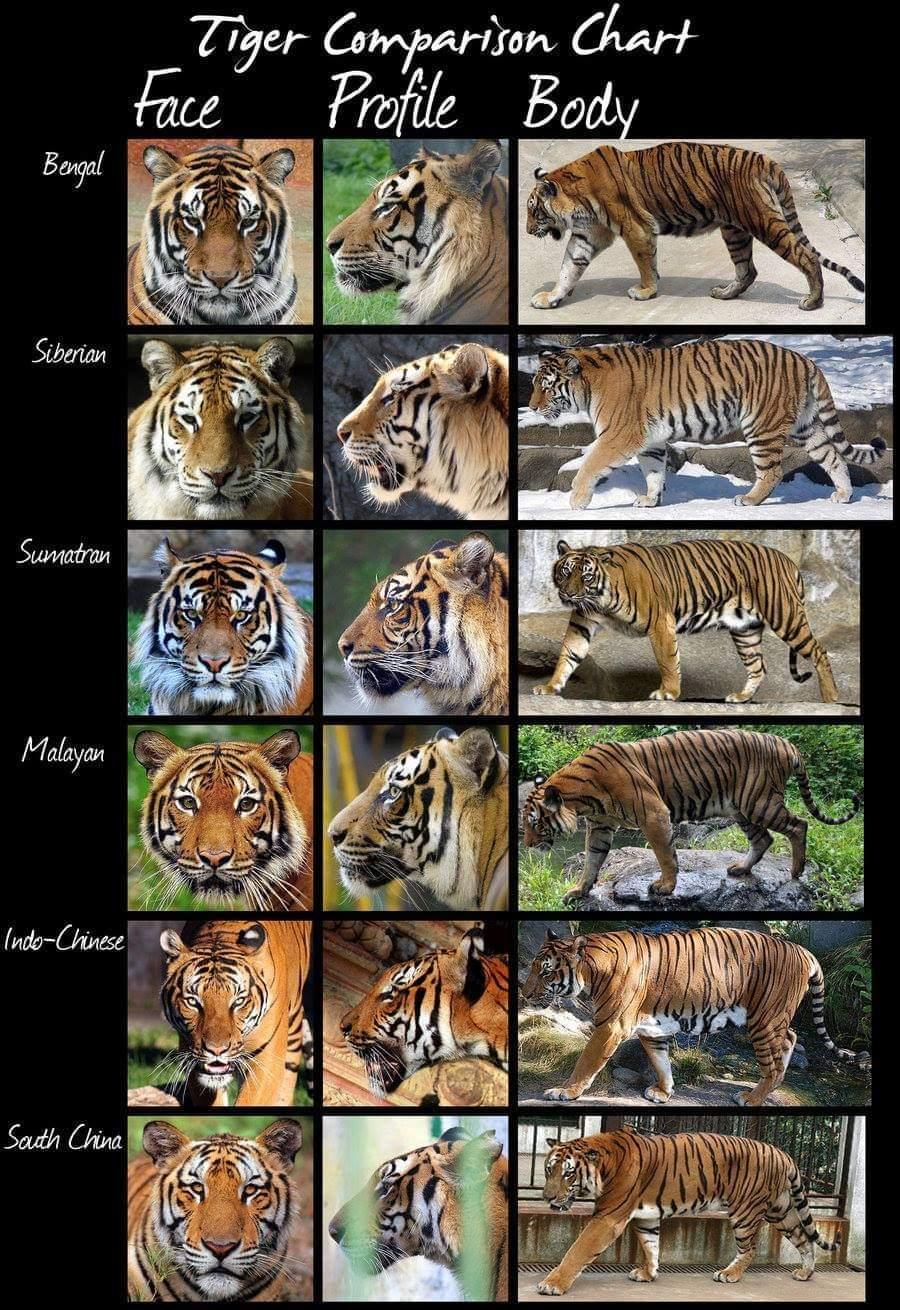
The safest way to compare tiger types is to look at body build, stripe density, coat tone, and context together rather than forcing one trait to do all the work. Bengal tigers usually look larger and heavier through the chest and shoulders, with a rich orange coat and strong black striping across a broad frame.
Sumatran tigers usually read smaller, tighter, and more densely striped, often with a darker coat and a more compact build that fits dense forest conditions. If you compare Bengal tigers vs Sumatran tigers at a glance, Bengal tigers often feel broader and more open-patterned, while Sumatran tigers tend to look narrower, darker, and more tightly marked.
Those are useful visual rules, but they are not perfect on their own. Age, sex, lighting, posture, and individual variation can blur the differences, so the most reliable comparison is pattern plus proportions plus where the tiger originates.
Tiger subspecies compared
Taxonomists now group tigers into two subspecies, the mainland tiger (Panthera tigris tigris) and the Sunda island tiger (P. t. sondaica), but the traditional regional populations remain the practical way to talk about them. Three of the nine historical populations, the Bali, Javan, and Caspian tigers, are extinct, and the South China tiger has not been confirmed in the wild for decades.
| Population | Where | Male weight | Coat and stripes | Wild numbers |
|---|---|---|---|---|
| Bengal tiger | India, Nepal, Bhutan, Bangladesh | 180–260 kg | Bright orange, broad black stripes | Around 3,700 in India alone (2022 census) |
| Amur (Siberian) tiger | Russian Far East, NE China | 180–300 kg | Paler, thicker winter coat, fewer stripes | Roughly 500–750 |
| Indochinese tiger | Thailand, Myanmar, Laos | 150–195 kg | Darker orange, narrower stripes | Fewer than 400 |
| Malayan tiger | Peninsular Malaysia | 120–130 kg | Similar to Indochinese, smaller | Fewer than 150 |
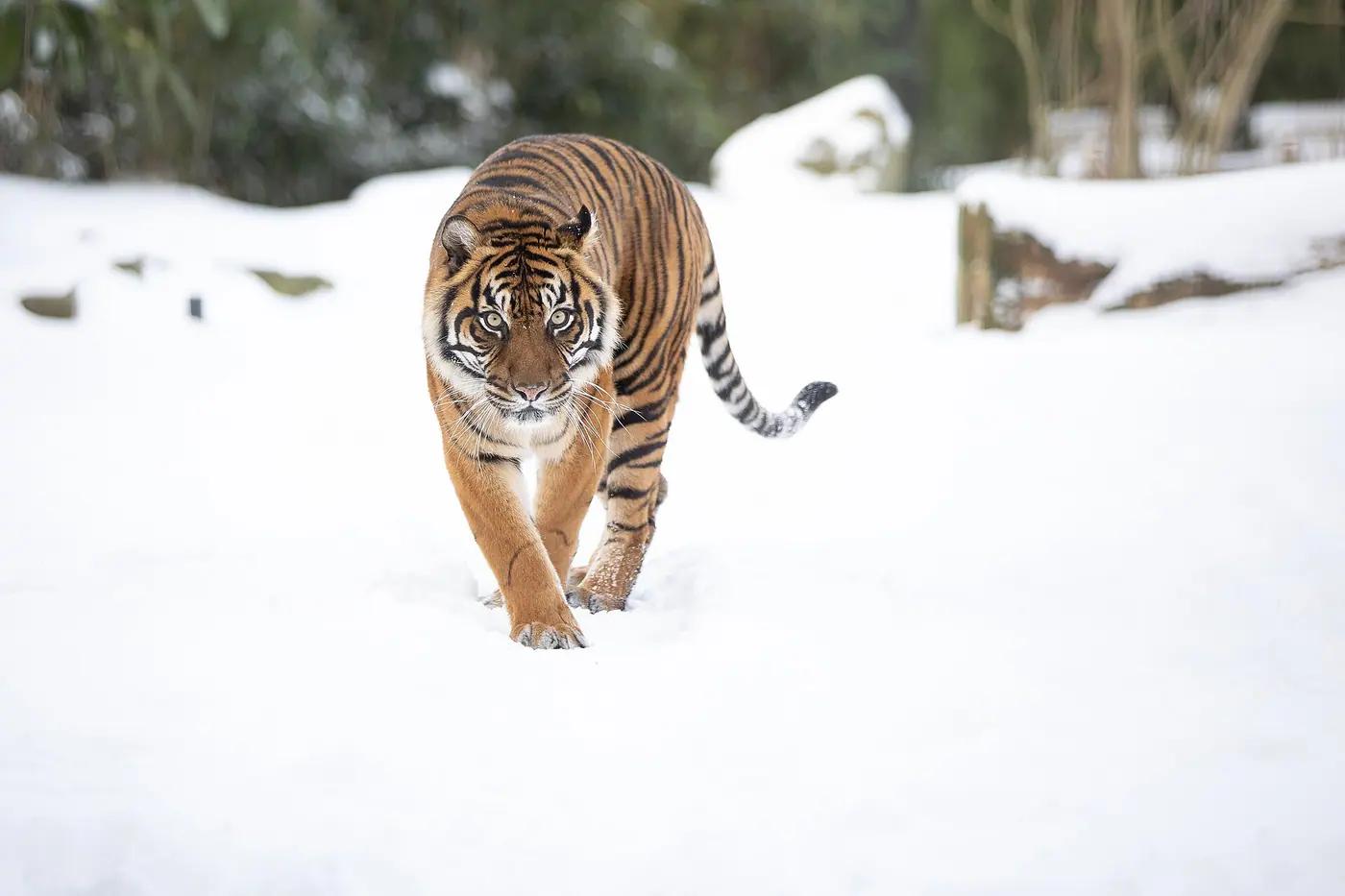
| Sumatran tiger | Sumatra, Indonesia | 100–140 kg | Darkest coat, dense narrow stripes, heavy ruff | Fewer than 600 |
Indochinese tigerMalayan tiger
How tigers survive without pack support
Tiger survival depends on territory quality, stealth, and careful energy budgeting. Only around 5 to 10 percent of stalks end in a kill, so an adult needs a large animal roughly once a week and about 50 big kills a year; a tigress raising cubs needs more. After a kill, a tiger drags the carcass into cover, eats up to 40 kilograms in a sitting, and returns to it for several days, which is why guides watch for vultures and for a cat that keeps reappearing in the same patch of forest.
Home range tracks prey density. In prey-rich reserves such as Chitwan in Nepal or Kanha in India, a tigress holds 10 to 20 square kilometres and a male overlaps the ranges of several females across 30 to 100 square kilometres. In the Russian Far East, where deer and boar are scarce in winter, an Amur tigress may need 250 to 450 square kilometres and a male well over 1,000.
Those territories are advertised, not fought over, most of the time. Tigers spray urine on trees, rake the ground with their hind feet, scratch trunks, and leave droppings on trails, so neighbours know who is where without a costly fight. This is why tiger behaviour looks patient rather than busy: the animal is conserving the energy that a 10-percent success rate forces it to spend carefully.
The ecosystem role of a tiger
Tigers regulate deer, wild boar, and gaur across forests, floodplains, and grasslands, and they take the old, the sick, and the careless first. The ecosystem role is not only the prey they kill but the caution they inject into prey movement. Where tigers are present, chital and sambar feed in shorter bouts, stay nearer cover, and avoid certain trails, and vegetation recovers in the places they leave alone.
A tiger reserve protects everything beneath the tiger. Because one breeding population needs hundreds of square kilometres of connected forest, protecting tigers has kept intact habitat for elephants, sloth bears, dholes, hornbills, and the watersheds that supply downstream farms and cities. That is why tigers are called an umbrella species as well as an apex predator.
The leftovers matter too. A tiger kill feeds jackals, hyenas, vultures, wild boar, and insects for days, and the nutrients from a carcass end up in the soil around it.
How to find tigers in the field
Most sightings come from reading sign and listening rather than from luck. These are the cues that experienced guides in Indian and Nepali reserves use every morning.
Where to go
Ranthambore, Bandhavgarh, Kanha, Tadoba, and Corbett in India offer the highest sighting rates; Bardia and Chitwan in Nepal are quieter and wilder. The Sundarbans in India and Bangladesh is the only place tigers live in mangroves. Visit March to June, when heat pulls tigers to water and the grass is low.
Listen for alarm calls
Chital give a sharp bark, sambar a loud honking call, and langurs cough and crash through the canopy when they see a tiger. Repeated calls from the same direction, moving slowly, usually mean a cat walking through cover.
Read pugmarks and scrapes
A male's front pugmark is around 15 cm across with a squarish pad; a female's is narrower and more oval. Fresh scrapes on a trail, spray on a tree at nose height, and claw marks on bark show a tiger is working this stretch of forest.
Watch the water
Tigers overheat easily and spend the hottest hours lying in pools and streams. In the dry season, waterholes and riverbeds between late morning and mid-afternoon are the most productive places to wait.
Photograph the flank
A clear side-on frame of the stripes on the flank and the face markings lets researchers and reserve databases match an individual. Note the time, the location, and which direction the tiger was moving.
how to identify animals in the wild
What humans can learn from tiger strategy
The tiger is a case study in high-value commitment. It holds energy until position and surprise make the move worth making, and it accepts that nine out of ten attempts will fail. The cost of the failures is covered by the size of the wins.
That is the lesson. Activity is not the same as progress, and some systems win precisely because they stop doing low-leverage work. If you want to learn how to identify animals in the wild, start with the same discipline: read the sign, wait at the right place, and commit when the opportunity is real.
A tiger fails nine times out of ten and still rules the forest, because the tenth time pays for all the rest.
Systems Intelligence & Hidden Purpose
Lihat hewan-hewan ini sebagai sistem biologis yang dirancang dengan presisi: apa fungsinya, bagaimana ia bekerja di lingkungan, dan apa yang bisa kita pelajari dari desainnya.
Specialized Hardware
Striped camouflage, padded feet, strong night vision, and explosive forelimb power make the tiger highly effective close-range strike hardware in dense cover.
Systems Script
Tigers regulate herbivore pressure and prey behavior across forests, wetlands, and grasslands. Their presence changes how other animals move, feed, and allocate risk, which then reshapes vegetation and recovery patterns.
Strategic Insight
A high-value move beats a high-volume one. Save force for the window where surprise and position make the cost worth paying.
Pertanyaan singkat
Jawaban ringkas untuk pertanyaan yang paling sering muncul pada topik ini.
- What is a tiger's hunting success rate?
- Roughly 5 to 10 percent of stalks end in a kill, or about one success in every 10 to 20 attempts. Tigers compensate by targeting large prey such as sambar, chital, and wild boar, eating up to 40 kilograms at once, and returning to a carcass for several days. An adult tiger needs around 50 large kills a year; a tigress with cubs needs more.
- How big is a tiger's territory?
- It depends on prey density. In prey-rich Indian and Nepali reserves a female holds 10 to 20 square kilometres and a male 30 to 100, overlapping several females. In the Russian Far East, where prey is thin, an Amur tigress may range over 250 to 450 square kilometres and a male more than 1,000. Territories are marked with spray, scrapes, and claw marks rather than constantly defended.
- How many tigers are left in the wild?
- Around 5,500 as of the most recent global estimates, up from a low of about 3,200 in 2010. India holds roughly 3,700 of them. Amur tigers number around 500 to 750, Sumatran tigers fewer than 600, Indochinese fewer than 400, and Malayan tigers fewer than 150. The Bali, Javan, and Caspian populations are extinct, and tigers occupy about 7 percent of their historic range.
- How do tigers kill prey much bigger than themselves?
- By ambush and a precise bite. A tiger stalks to within 10 to 25 metres, rushes, uses its forelimbs and 7.5-centimetre canines to grab the animal, and clamps the throat so a large deer or gaur suffocates within minutes. For smaller prey it bites the back of the neck. Stripes, silent padded feet, and excellent night vision get it close enough for that one decisive moment.
- Can you tell a Bengal tiger from a Sumatran tiger?
- Usually, if you combine several clues. Bengal tigers are larger and broader with a bright orange coat and wider-spaced stripes. Sumatran tigers are the smallest tigers, with a darker coat, dense narrow stripes, and a heavier ruff around the face. Location is the most reliable clue: wild Sumatran tigers live only on Sumatra, while Bengal tigers live on the Indian subcontinent.
Hewan yang disebut
Lompat dari artikel ini ke halaman spesies di balik contoh, catatan systems, dan referensi field guide.
Sources and further reading
Panduan jawaban terkait topik ini
Kalau kamu ingin perbandingan langsung dan rekomendasi yang jelas, lanjutkan ke halaman jawaban berikut.
Best Animal Identification Apps
Compare the best animal identification apps by features like photo/video identification, species coverage, collection capabilities, offline use, and more.
What Is Animal Collecting
Learn what animal collecting means in modern apps and how AnimalDex turns real-world sightings into cards, sets, rarity, and species learning.
Pokemon-Like Animal App
Looking for a Pokemon-like animal app with real species? AnimalDex combines creature-collection energy with AI scanning and wildlife learning.
Comparisons terkait
Lanjutkan ke halaman comparison animal-vs-animal terstruktur yang terhubung dengan spesies di panduan ini.
Bear vs Tiger: Who Would Win in a Fight?
Tiger is the safer general answer in a one-on-one land clash when stealth, timing, and clean engagement matter. A very large bear represented here by the polar bear changes the problem through sheer mass and durability, especially in open, cold terrain.
Gorilla vs Tiger: Who Would Win in a Fight?
Tiger usually has the edge because it is a true apex ambush predator built for finishing violent encounters. Gorilla is enormously strong, but its body and behavior are not specialized for predator-style combat in the same way.
Grizzly Bear vs Tiger: Who Would Win in a Fight?
Grizzly bear gets the slight overall edge through larger frame, close-range durability, and brutal land-contact power. Tiger remains the better ambush starter and can look stronger if the fight begins from concealment with a clean opening lane.
Tiger vs Cheetah: Which Is Faster?
Cheetah is the faster cat when the question is raw land speed. Tiger is more powerful and more dangerous in a fight, but speed is the cheetah's clear domain.
Panduan terkait
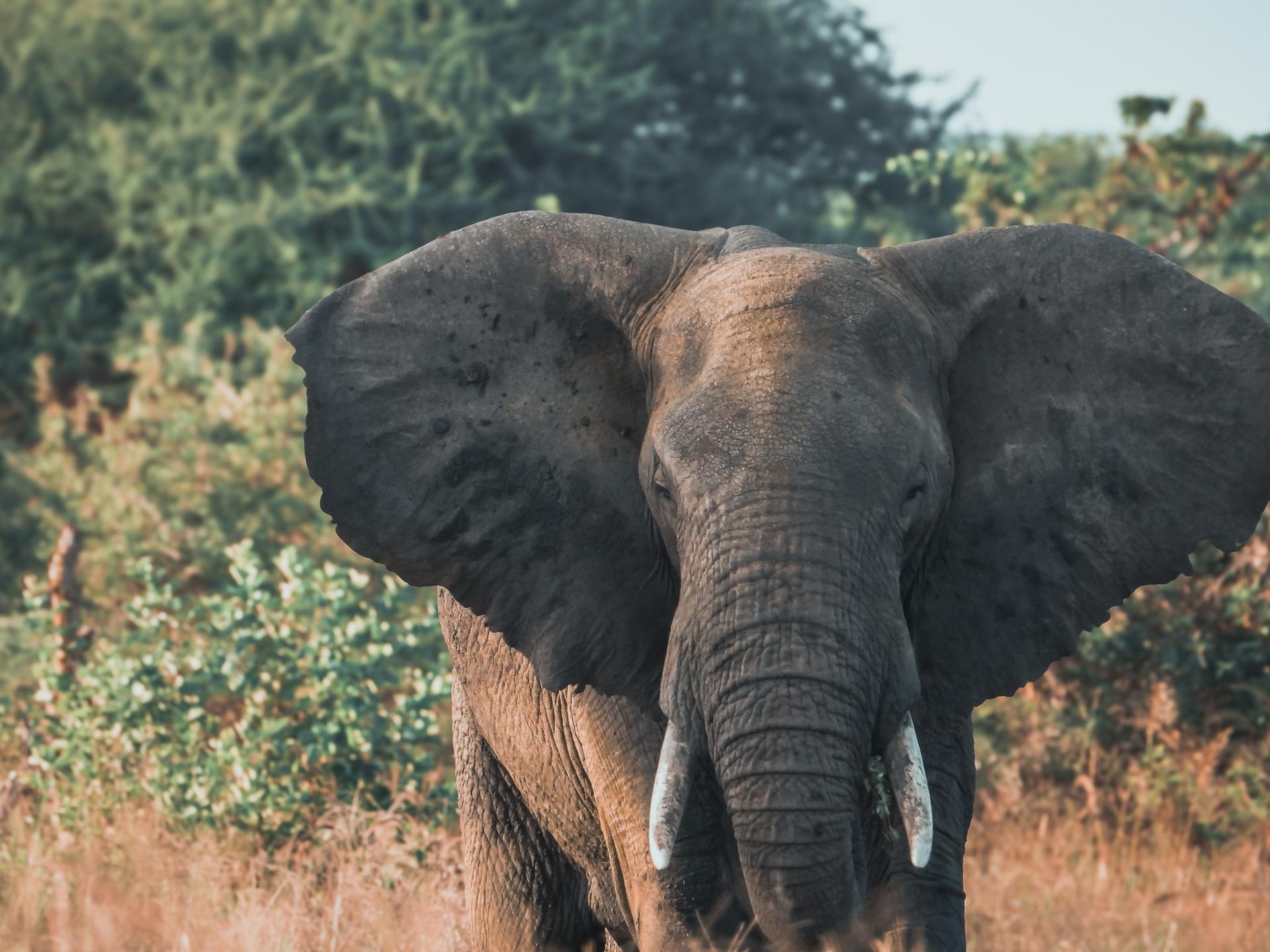
Elephant behavior
Why Elephants Never Stop Reshaping Landscapes
How elephants engineer savannas and forests: daily food and water intake, seed dispersal distances, keystone effects, and the three species compared.
8 menit baca
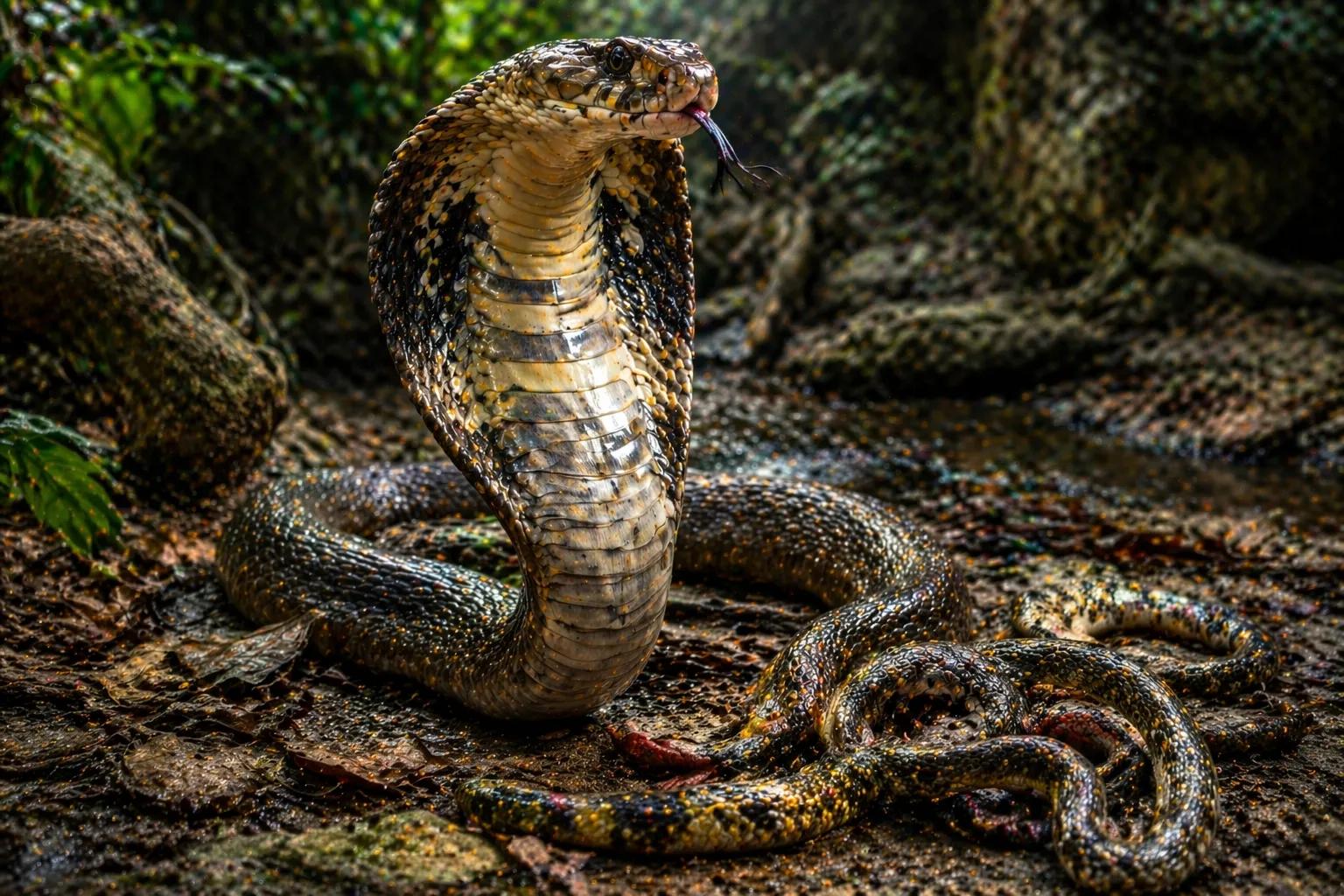
How King Cobras Survive and Hunt Other Snakes
How the king cobra hunts other snakes: up to 5.5 m long, venom by the millilitre, the only snake that builds a nest, and how it differs from true cobras.
10 menit baca
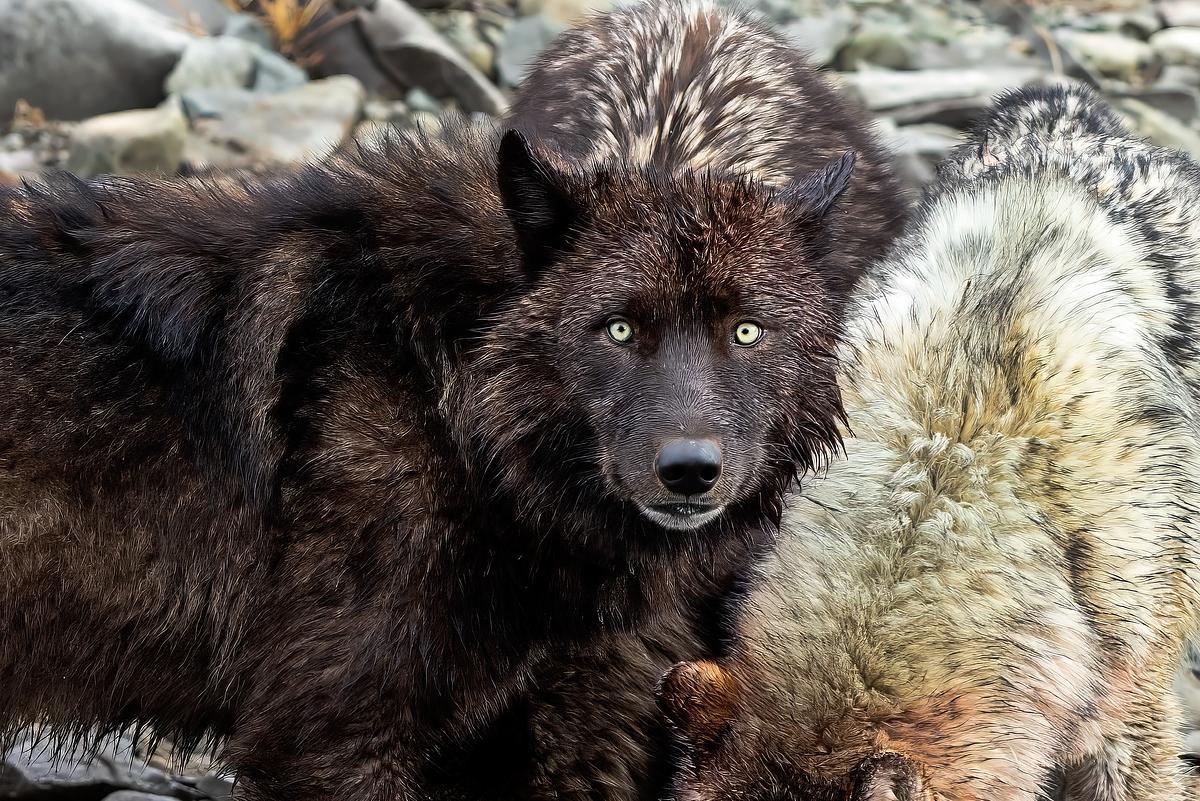
How Wolves Hunt, Survive, and Shape Ecosystems
How wolves hunt and shape ecosystems: pack size, prey selection, hunt success rates, the Yellowstone reintroduction, and what the cascade evidence shows.
9 menit baca