
Panduan lapangan hewan
Asian Elephant
Identifikasi, habitat, rarity, perilaku, simbolisme, fakta, dan pelajaran praktis dari alam.
The Quiet Forest Colossus. The Asian Elephant is powerful without needing constant display. It shows that gentleness and strength can belong to the same body.
Nama ilmiah
Elephas maximus
Kategori
Mammal
Habitat
forest, grassland edge, floodplain, and scrub woodland
Rarity
Rare · 72/100
Native range
South and Southeast Asia
Gentle Weight
Strong, not loud.
Let strength stay calm until care requires force.
Apa yang diajarkannya
Power is easier to trust when it knows how to be gentle.
Coba
For us, the message is simple: strong communities make hard tasks lighter and safer.
Bukti alam
Asian elephants are intelligent social herbivores with strong family bonds and complex communication.
Gunakan untuk
Tangkapan Asian Elephant berperingkat
3 tangkapan berperingkat dalam grup ini dari kolektor AnimalDex.
Mr Monkey
@hollingsworthZoo · Chiang Mai National Parks Research and Innovation Development Center · Near Ob Khan National Park, Hang Dong, Chiang Mai, Thailand
Skor 0
SkibidiABG
@skibidiabgZoo · SBS Aesthetic Clinical Sanctuary · P. Hà Đông, Thành Phố Hà Nội, Việt Nam
Skor 0
Mengapa Gentle Weight?
Alasan di balik Prinsip Hewan ini dan biologi yang mendukungnya.
Asian Elephant is a mammal known for smaller rounded ears, high-domed head, and dexterous trunk tip.
Cara mengidentifikasi Asian Elephant
- smaller rounded ears
- high-domed head
- dexterous trunk tip
- Often associated with forest, grassland edge, floodplain, and scrub woodland
Kenapa Asian Elephant menarik
- Asian Elephant is a useful example of how anatomy and habitat fit together as one survival system.
- Its shape, movement style, and food strategy make it easy to compare with related animals.
- This species turns one page into a lesson about adaptation, ecosystem role, and identification.
Habitat: forest, grassland edge, floodplain, and scrub woodland
Native range: South and Southeast Asia
nativeRangeCardTitle
nativeRangeCardDescription
forest, grassland edge, floodplain, and scrub woodland
To find Asian Elephant in the wild, focus on the exact habitat patches that match its body design and daily behavior, not just the broad country where it exists. You usually do better by working one good piece of habitat inside south and Southeast Asia than by covering too much ground.
- Quiet marsh edges, reedbeds, river bends, or shallow wetland margins
- Forest edge, canopy gaps, fruiting trees, or shaded trails where cover and food meet
- Open grassland edges, lightly wooded plains, or raised ground where you can scan long distances
- Start early, pick one strong patch of habitat, and stay long enough for movement to return after you arrive.
- Work edges, clearings, fruiting trees, and stream crossings rather than walking randomly through dense cover.
- Move quietly, stop often, and give the habitat time to settle; many mammals and insects show themselves only after the first pause.
Herbivorous, eating grasses, leaves, bark, fruit, palms, and cultivated plants near human edges.
Adults have few natural predators, while calves may be vulnerable to tigers in some regions.
Sleeps in short periods, often with alternating rest and feeding through the day and night.
Can live for many decades, often around 60 years under favorable conditions.
Females give birth to single calves after long gestation and raise them within social groups.
Males are larger; tusk size varies by sex and population.
- Asian Elephant adjusts movement and feeding to match light, temperature, and food access in its habitat.
- Body design, timing, and shelter choices all help this species stay effective in the wild.
- Patient observation usually reveals more behavior than close approach or fast movement.
Asian Elephant most often symbolizes gentle weight in AnimalDex because its real survival behavior repeatedly shows this pattern.
Power is easier to trust when it knows how to be gentle.
Asian elephants are intelligent social herbivores with strong family bonds and complex communication.
- Keep distance and let the animal choose the space.
- Avoid blocking movement routes, nesting areas, or feeding behavior.
- Use optics, patience, and quiet observation instead of crowding for a closer view.
- Regional relatives may look similar at a distance.
- Juveniles, adults, and seasonal forms can differ in color or size.
- Light, angle, and habitat context can change how field marks appear.
0/1 XP toward Level 2
statsTitle
statsDescription
statsSourceLabel: statsSourceSpeciesProfile
dominanceStat
92
speedStat
38
sizeStat
88
intelligenceStat
90
rarityStat
72%
Total
380
Size scale
Colossal
Uses the canonical size stat for consistent placement




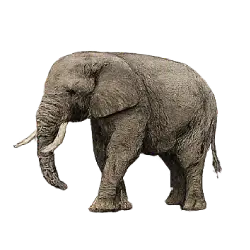

US$364 – US$756
Perkiraan rentang nilai
Kepercayaan 69%
Perkiraan nilai AnimalDex dibuat dari stat spesies kanonik.
Not a marketplace listing.
Perkiraan nilai berdasarkan hewan yang teridentifikasi dan konteks harga yang tersedia. Bukan daftar marketplace.
Seberapa langka Asian Elephant?
Rarity: Rare (72/100)
Asian Elephant depends on a narrow or fragile habitat base, so pressure on forest, grassland edge, floodplain, and scrub woodland can affect it quickly.
Public Animal Power
Explore this Animal Power
This is a public capture, so you can explore its Animal Power here. Personal Apex matches and challenges use your Wild Profile and animals you own.
Own an animal with this power to use it in Growth challenges.
Comparison hearts ready
3 of 3 hearts remaining. Each loss removes 1 heart.
✦ Available actions
Compare this public animal when your deck meets the current rules.
⚡CompareUnavailable›Hewan terkait
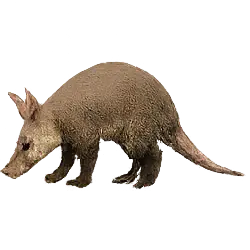
Aardvark
The aardvark is a nocturnal African mammal known for its long snout, strong digging…
Baca panduan spesies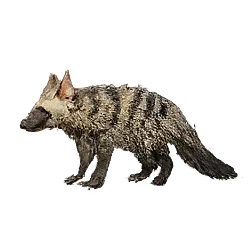
Aardwolf
The aardwolf is a small striped relative of hyenas that feeds mainly on termites rather…
Baca panduan spesies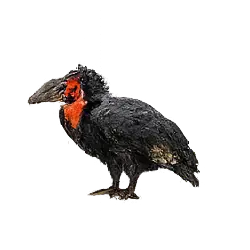
Abyssinian Ground Hornbill
Abyssinian Ground Hornbill is a bird known for bare red facial skin, huge…
Baca panduan spesiesLebih banyak hewan dengan kekuatan Protective Strength
Jelajahi semua hewan Protective Strength

Bawa ensiklopedia ke dunia nyata
AnimalDex membantumu memindai hewan nyata, mengidentifikasi spesies, mengoleksi kartu, dan belajar dari alam di mana pun kamu berada.