
Panduan lapangan hewan
Hellbender
Identifikasi, habitat, rarity, perilaku, simbolisme, fakta, dan pelajaran praktis dari alam.
The Flat-Rock River Keeper. The Hellbender uses a wrinkled flat body to hide under stones in cold clear streams where current rushes overhead. It reminds us that some creatures thrive by staying low and steady.
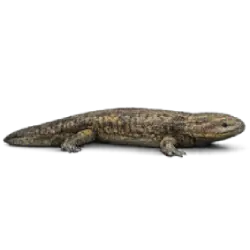
Kartu AnimalDex
Buka kartu hewan ini
Pindai atau tangkap hewan ini dengan AnimalDex untuk membuka kartu koleksi dan menambahkannya ke koleksi satwa liarmu.
Dapatkan AnimalDexNama ilmiah
Cryptobranchus alleganiensis
Kategori
Amphibian
Habitat
Cool clear streams and rivers with large flat stones and strong oxygen flow.
Rarity
Very rare · 87/100
Native range
Eastern United States in fragmented Appalachian and Ozark systems.
Low Stability
Hold under stone.
Flat-Rock Current Holding
Apa yang diajarkannya
Stay low enough and the current can pass over without taking you.
Coba
Drama is pulling you in, so you stay low until the current passes.
Bukti alam
Hellbenders are large aquatic salamanders with flattened bodies and wrinkled skin, living under rocks in cold, oxygen-rich streams.
Gunakan untuk
Tangkapan Hellbender berperingkat
Belum ada tangkapan komunitas berperingkat untuk spesies ini.
Mengapa Low Stability?
Alasan di balik Prinsip Hewan ini dan biologi yang mendukungnya.
The hellbender is a large fully aquatic salamander that lives under rocks in clean fast streams and breathes heavily through folded skin.
Cara mengidentifikasi Hellbender
- Flattened brown body with wrinkled loose skin along the sides
- Broad head and tiny eyes on a low river-bottom profile
- Large salamander shape tucked beneath rocks in flowing water
Kenapa Hellbender menarik
- Hellbenders are powerful freshwater indicators because they need river systems that still function well.
- Their unusual body folds make physiology visible to field learners.
Habitat: Cool clear streams and rivers with large flat stones and strong oxygen flow.
Native range: Eastern United States in fragmented Appalachian and Ozark systems.
nativeRangeCardTitle
nativeRangeCardDescription
Cool clear streams and rivers with large flat stones and strong oxygen flow.
To find Hellbender in the wild, focus on the exact habitat patches that match its body design and daily behavior, not just the broad country where it exists. You usually do better by working one good piece of habitat inside eastern United States in fragmented Appalachian and Ozark systems. than by covering too much ground.
- Quiet marsh edges, reedbeds, river bends, or shallow wetland margins
- Protected habitat blocks within eastern United States in fragmented Appalachian and Ozark systems.
- First light and late afternoon are often best, when animals come out to feed along the edge of water.
- Watch the transition line between open water and cover, because feeding and movement often happen on that edge.
- Warm rocks, trail edges, fallen timber, and quiet water margins are usually better than heavily disturbed ground.
They eat crayfish, fish, insects, worms, and aquatic prey. The diet supports the principle because food is taken from the same rock-and-current world where staying low keeps the salamander alive.
Predators include large fish, otters, raccoons, birds, and humans, while siltation and pollution are major threats. Their defense is rock shelter, camouflage, slippery skin, and refusing to leave the stable low place.
Mostly nocturnal or crepuscular, resting under rocks by day and foraging when darkness gives cover. The rhythm makes Low Stability practical: wait under stone, then move when the current is less visually dangerous.
Can live 20 to 30 years or more. The lifespan why is patience in one clean system: stability is built by returning to the same rocks through many seasons of water.
Females lay eggs in underwater nest cavities, and males often guard them. Offspring begin the lesson under stone, where low placement and clean flow decide survival.
Sex differences are subtle outside breeding behavior. Males become important as nest guardians, showing that Low Stability includes staying with the hidden future.
- Shelters under submerged rocks during daylight hours
- Feeds on crayfish and other bottom-associated prey
- Depends on skin respiration supported by clean flowing water
Hellbender most often symbolizes low stability in AnimalDex because its real survival behavior repeatedly shows this pattern.
Stay low enough and the current can pass over without taking you.
Hellbenders are large aquatic salamanders with flattened bodies and wrinkled skin, living under rocks in cold, oxygen-rich streams.
- Do not lift stream rocks in habitat without permits and proper survey methods.
- Keep sediment disturbance low in headwater and river access sites.
- Mudpuppy
- Chinese giant salamander in photos
- Large fish under rocks
statsTitle
statsDescription
statsSourceLabel: statsSourceSpeciesProfile
dominanceStat
31
speedStat
54
sizeStat
6
intelligenceStat
29
rarityStat
87%
Total
207
Size scale
Tiny
Uses the canonical size stat for consistent placement

US$153 – US$317
Perkiraan rentang nilai
Kepercayaan 69%
Perkiraan nilai AnimalDex dibuat dari stat spesies kanonik.
Not a marketplace listing.
Perkiraan nilai berdasarkan hewan yang teridentifikasi dan konteks harga yang tersedia. Bukan daftar marketplace.
Seberapa langka Hellbender?
Rarity: Very rare (87/100)
Hellbenders require very clean river habitat and decline quickly when sedimentation and pollution increase.
Systems Intelligence & Hidden Purpose
Sudut pandang systems biology untuk melihat bagaimana spesies ini dibangun, peran apa yang dijalankannya di ekosistem, dan pelajaran praktis apa yang bisa dipetik manusia.
System Role
The Oxygen Channel Monitor
Hellbender
Specialized Hardware
Wrinkled skin for gas exchange, flattened body shape, and rock-crevice occupation make hellbenders stream hardware built around clean fast water.
Systems Script
Hellbenders are living diagnostics for river quality because their biology leaves little room for dirty or stagnant conditions. When they disappear, the system is usually confessing something.
Strategic Insight
The best indicators are not loud. They simply stop working when the environment falls below standard.
Public Animal Power
Explore this Animal Power
This is a public capture, so you can explore its Animal Power here. Personal Apex matches and challenges use your Wild Profile and animals you own.
Own an animal with this power to use it in Growth challenges.
Hewan terkait
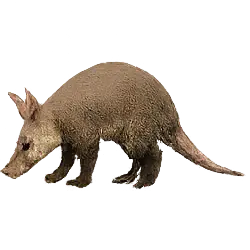
Aardvark
The aardvark is a nocturnal African mammal known for its long snout, strong digging…
Baca panduan spesies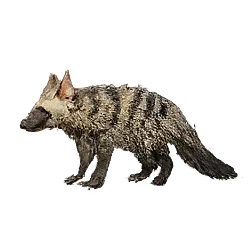
Aardwolf
The aardwolf is a small striped relative of hyenas that feeds mainly on termites rather…
Baca panduan spesies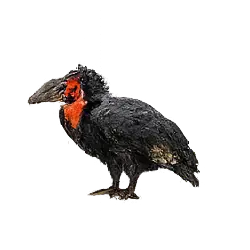
Abyssinian Ground Hornbill
Abyssinian Ground Hornbill is a bird known for bare red facial skin, huge…
Baca panduan spesiesLebih banyak hewan dengan kekuatan Endurance
Jelajahi semua hewan Endurance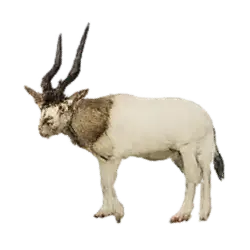
Addax
Addax is a mammal known for pale desert coat, wide spreading hooves, and slow-energy…
Baca panduan spesies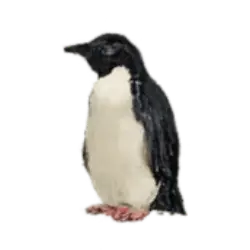
Adelie Penguin
Adelie Penguin is a bird known for classic black-and-white body, ice-edge breeding…
Baca panduan spesies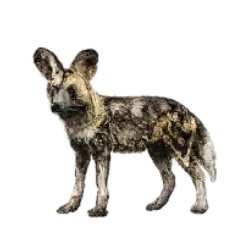
African Wild Dog
The African wild dog is a highly social carnivore with distinctive patchy coat patterns…
Baca panduan spesiesBawa ensiklopedia ke dunia nyata
AnimalDex membantumu memindai hewan nyata, mengidentifikasi spesies, mengoleksi kartu, dan belajar dari alam di mana pun kamu berada.