
Panduan lapangan hewan
Frilled Lizard
Identifikasi, habitat, rarity, perilaku, simbolisme, fakta, dan pelajaran praktis dari alam.
The Fear-Flare Runner. The Frilled Lizard uses a big sudden neck frill to make danger think twice before it runs away. It teaches us that knowing our own surprise strength can help us protect ourselves.

Kartu AnimalDex
Buka kartu hewan ini
Pindai atau tangkap hewan ini dengan AnimalDex untuk membuka kartu koleksi dan menambahkannya ke koleksi satwa liarmu.
Dapatkan AnimalDexNama ilmiah
Chlamydosaurus kingii
Kategori
Reptile
Habitat
Open woodland, savannah forest, and seasonally dry tropical tree habitat.
Rarity
Uncommon · 52/100
Native range
Northern Australia and southern New Guinea.
Startle Display
Flare, then run.
Frill-Flare Escape
Apa yang diajarkannya
A sudden shape can create the space needed to survive.
Coba
A tense room needs space, so you surprise it with a clean reset.
Bukti alam
Frilled Lizards extend a large neck frill, open the mouth, and may rear up when threatened before fleeing, often to a tree.
Gunakan untuk
Tangkapan Frilled Lizard berperingkat
Belum ada tangkapan komunitas berperingkat untuk spesies ini.
Mengapa Startle Display?
Alasan di balik Prinsip Hewan ini dan biologi yang mendukungnya.
The frilled lizard is an Australian and New Guinean reptile famous for its expandable neck frill, upright sprinting, and dramatic bluff displays.
Cara mengidentifikasi Frilled Lizard
- Slender long-tailed lizard with very large foldable neck frill
- Brown mottled body matching bark and dry woodland tones
- Can run upright on hind legs when alarmed
Kenapa Frilled Lizard menarik
- The frill is one of the most visually memorable defensive structures in reptiles.
- Its combination of camouflage and sudden display makes behavior interpretation rewarding.
Habitat: Open woodland, savannah forest, and seasonally dry tropical tree habitat.
Native range: Northern Australia and southern New Guinea.
nativeRangeCardTitle
nativeRangeCardDescription
Open woodland, savannah forest, and seasonally dry tropical tree habitat.
To find Frilled Lizard in the wild, focus on the exact habitat patches that match its body design and daily behavior, not just the broad country where it exists. You usually do better by working one good piece of habitat inside northern Australia and southern New Guinea. than by covering too much ground.
- Forest edge, canopy gaps, fruiting trees, or shaded trails where cover and food meet
- Open grassland edges, lightly wooded plains, or raised ground where you can scan long distances
- Headlands, reef edges, island colonies, tidal channels, or productive coastal water
- Start early, pick one strong patch of habitat, and stay long enough for movement to return after you arrive.
- Work edges, clearings, fruiting trees, and stream crossings rather than walking randomly through dense cover.
- Warm rocks, trail edges, fallen timber, and quiet water margins are usually better than heavily disturbed ground.
Frilled Lizards are diurnal, basking and foraging when heat gives the body speed. Their rhythm matters because a display without enough body warmth would not convert quickly into escape.
Frilled Lizards can live for several years, with protected individuals living longer. Across that life, survival depends on repeating the same sequence: notice danger, enlarge the signal, then move before the bluff is tested.
Females lay eggs in soil, where warmth and moisture shape development. Young hatch without parental care and must rely early on camouflage, small size, climbing, and the same startle logic in miniature.
Males are often larger and may have more developed display features, while females invest in egg production. The difference sharpens Startle Display because display size and reproductive cost shape how each body handles risk.
- Uses dramatic open-frill displays to deter threats
- Hunts insects and small vertebrates from trunks and ground
- Climbs readily but also sprints between trees when disturbed
Frilled Lizard most often symbolizes startle display in AnimalDex because its real survival behavior repeatedly shows this pattern.
A sudden shape can create the space needed to survive.
Frilled Lizards extend a large neck frill, open the mouth, and may rear up when threatened before fleeing, often to a tree.
- Do not provoke display behavior for photos.
- Scan trunks slowly and let animals choose whether to freeze or move.
- Agamid lizards
- Water dragon juvenile
- Bark patterns hiding resting individuals
statsTitle
statsDescription
statsSourceLabel: statsSourceSpeciesProfile
dominanceStat
48
speedStat
55
sizeStat
22
intelligenceStat
28
rarityStat
52%
Total
205
Size scale
Small
Uses the canonical size stat for consistent placement

US$141 – US$293
Perkiraan rentang nilai
Kepercayaan 69%
Perkiraan nilai AnimalDex dibuat dari stat spesies kanonik.
Not a marketplace listing.
Perkiraan nilai berdasarkan hewan yang teridentifikasi dan konteks harga yang tersedia. Bukan daftar marketplace.
Seberapa langka Frilled Lizard?
Rarity: Uncommon (52/100)
Frilled lizards are locally regular in intact northern habitat but not easy to find outside warm active periods.
Systems Intelligence & Hidden Purpose
Sudut pandang systems biology untuk melihat bagaimana spesies ini dibangun, peran apa yang dijalankannya di ekosistem, dan pelajaran praktis apa yang bisa dipetik manusia.
System Role
The Bluff Display Specialist
Frilled Lizard
Specialized Hardware
Expandable neck frill, bipedal sprint escape, and tree-ready claw structure make this lizard rapid-escalation hardware for exposed woodland edges.
Systems Script
Frilled lizards survive by turning visibility into a deterrence tool before a chase becomes expensive. They are a reminder that defense is often about changing the opponent's math early.
Strategic Insight
A good warning system resolves conflict before you spend premium energy on full engagement.
Public Animal Power
Explore this Animal Power
This is a public capture, so you can explore its Animal Power here. Personal Apex matches and challenges use your Wild Profile and animals you own.
Own an animal with this power to use it in Growth challenges.
Hewan terkait
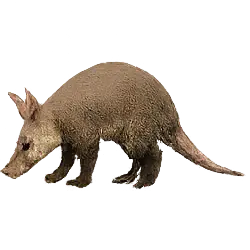
Aardvark
The aardvark is a nocturnal African mammal known for its long snout, strong digging…
Baca panduan spesies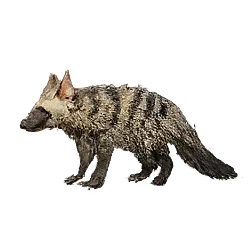
Aardwolf
The aardwolf is a small striped relative of hyenas that feeds mainly on termites rather…
Baca panduan spesies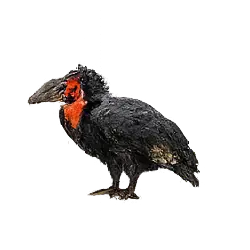
Abyssinian Ground Hornbill
Abyssinian Ground Hornbill is a bird known for bare red facial skin, huge…
Baca panduan spesiesLebih banyak hewan dengan kekuatan Defense
Jelajahi semua hewan Defense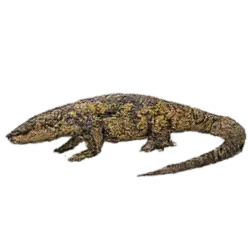
Ackie Monitor
Ackie Monitor is a reptile known for spiny defensive tail, compact muscular monitor…
Baca panduan spesies
African Pygmy Hedgehog
African Pygmy Hedgehog teaches Spined Night Foraging through a small nocturnal body…
Baca panduan spesies
American Badger
American Badger turns Burrow Strategy into muscular problem-solving, using claws,…
Baca panduan spesiesBawa ensiklopedia ke dunia nyata
AnimalDex membantumu memindai hewan nyata, mengidentifikasi spesies, mengoleksi kartu, dan belajar dari alam di mana pun kamu berada.
Muncul di tier list
Lihat posisi spesies ini di halaman tier list AnimalDex yang dibangun dengan perbandingan terstruktur dan metodologi yang jelas.
#10 · Camouflage
Animals with the Best Camouflage: Top 100 Tier List
Frilled lizard belongs because when the display is not engaged, its body can disappear into the right rough environment.
Baca tier list