
Panduan lapangan hewan
Giant Panda
Identifikasi, habitat, rarity, perilaku, simbolisme, fakta, dan pelajaran praktis dari alam.
The Bamboo-Bite Bear. The Giant Panda uses powerful jaws and an extra thumb-like wrist bone to grip and strip bamboo all day long. It reminds us that the right grip can turn one food into a full life.

Kartu AnimalDex
Buka kartu hewan ini
Pindai atau tangkap hewan ini dengan AnimalDex untuk membuka kartu koleksi dan menambahkannya ke koleksi satwa liarmu.
Dapatkan AnimalDexNama ilmiah
Ailuropoda melanoleuca
Kategori
Mammal
Habitat
Cool moist mountain forest with dense bamboo understorey.
Rarity
Rare · 78/100
Native range
Restricted to fragmented mountain ranges in central China.
Bamboo Specialism
Grip the bamboo.
Pseudo-Thumb Bamboo Grip
Apa yang diajarkannya
A whole life can be shaped around the one grip that works.
Coba
Your niche looks boring, so you master it until it becomes valuable.
Bukti alam
Giant Pandas use enlarged wrist bones that function like thumbs to grip bamboo while feeding. Their strong jaws and teeth support a diet dominated by bamboo.
Gunakan untuk
Tangkapan Giant Panda berperingkat
Belum ada tangkapan komunitas berperingkat untuk spesies ini.
Mengapa Bamboo Specialism?
Alasan di balik Prinsip Hewan ini dan biologi yang mendukungnya.
The giant panda is a large bamboo-feeding bear with distinctive black-and-white patterning, powerful jaws, and highly specialized forest foraging behavior.
Cara mengidentifikasi Giant Panda
- Bold black-and-white coat with dark eye patches
- Heavy rounded body and broad powerful head
- Slow deliberate movement through dense bamboo stands
Kenapa Giant Panda menarik
- Giant pandas are an unusual example of a bear lineage pushed toward a narrow feeding niche.
- Their body plan shows how powerful hardware can still be shaped by a low-energy diet.
Habitat: Cool moist mountain forest with dense bamboo understorey.
Native range: Restricted to fragmented mountain ranges in central China.
nativeRangeCardTitle
nativeRangeCardDescription
Cool moist mountain forest with dense bamboo understorey.
To find Giant Panda in the wild, focus on the exact habitat patches that match its body design and daily behavior, not just the broad country where it exists. You usually do better by working one good piece of habitat inside restricted to fragmented mountain ranges in central China. than by covering too much ground.
- Forest edge, canopy gaps, fruiting trees, or shaded trails where cover and food meet
- Rocky slopes, ridge lines, cliff ledges, or open mountain meadows with a wide view
- Protected habitat blocks within restricted to fragmented mountain ranges in central China.
- Start early, pick one strong patch of habitat, and stay long enough for movement to return after you arrive.
- Work edges, clearings, fruiting trees, and stream crossings rather than walking randomly through dense cover.
- Move quietly, stop often, and give the habitat time to settle; many mammals and insects show themselves only after the first pause.
They eat mostly bamboo, with occasional other plants or small foods. The diet fits the lesson because feeding is not random here; it shows how the animal turns its special design into daily survival.
Predators and threats include adults have few natural predators; cubs may be threatened by leopards, martens, and other carnivores. Their defenses show that bamboo specialism is not only a look, but a practical way to reduce risk.
They are feeds and rests throughout the day, conserving energy around a low-calorie diet. This rhythm supports the principle because timing decides when the animal hides, searches, rests, or acts.
They around 15 to 20 years in the wild and longer in care. The lifespan note matters because the animal’s strategy has to work repeatedly, not just in one dramatic moment.
females usually raise one cub even when twins are born. Offspring begin life inside the same pressures that shaped the adult’s signature strategy.
males are larger; females carry the demanding cub-rearing work. These differences add detail without replacing the core design shared by the species.
- Spends long periods feeding on bamboo stems and shoots
- Uses a modified wrist bone as a pseudo-thumb for grasping
- Maintains mostly solitary spacing outside breeding interactions
Giant Panda most often symbolizes bamboo specialism in AnimalDex because its real survival behavior repeatedly shows this pattern.
A whole life can be shaped around the one grip that works.
Giant Pandas use enlarged wrist bones that function like thumbs to grip bamboo while feeding. Their strong jaws and teeth support a diet dominated by bamboo.
- Stay on managed observation routes in reserve or park settings.
- Keep noise low because bamboo foragers can be easy to disturb in dense cover.
- Spectacled bear in photos only
- Sun bear cub color confusion
- Black-and-white domestic animals in poor images
statsTitle
statsDescription
statsSourceLabel: statsSourceSpeciesProfile
dominanceStat
68
speedStat
31
sizeStat
62
intelligenceStat
52
rarityStat
78%
Total
291
Size scale
Huge
Uses the canonical size stat for consistent placement



US$283 – US$587
Perkiraan rentang nilai
Kepercayaan 69%
Perkiraan nilai AnimalDex dibuat dari stat spesies kanonik.
Not a marketplace listing.
Perkiraan nilai berdasarkan hewan yang teridentifikasi dan konteks harga yang tersedia. Bukan daftar marketplace.
Seberapa langka Giant Panda?
Rarity: Rare (78/100)
Protection has improved status in parts of its range, but the species remains tied to specific bamboo forests and fragmented mountain habitat.
Systems Intelligence & Hidden Purpose
Sudut pandang systems biology untuk melihat bagaimana spesies ini dibangun, peran apa yang dijalankannya di ekosistem, dan pelajaran praktis apa yang bisa dipetik manusia.
System Role
The Bamboo Conversion Specialist
Giant Panda
Specialized Hardware
Massive jaw musculature, crushing molars, and a pseudo-thumb for gripping stems let giant pandas extract value from an abundant but low-yield food stream.
Systems Script
Pandas show what a narrow feeding niche looks like when supported by the right forest structure. Their success depends less on competition and more on whether the bamboo system remains intact.
Strategic Insight
Specialization only works when the supply chain is real. Protect the input before celebrating the output.
Public Animal Power
Explore this Animal Power
This is a public capture, so you can explore its Animal Power here. Personal Apex matches and challenges use your Wild Profile and animals you own.
Own an animal with this power to use it in Growth challenges.
Hewan terkait
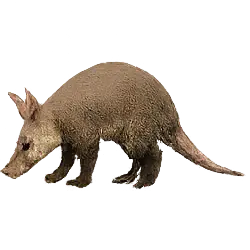
Aardvark
The aardvark is a nocturnal African mammal known for its long snout, strong digging…
Baca panduan spesies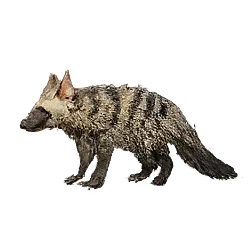
Aardwolf
The aardwolf is a small striped relative of hyenas that feeds mainly on termites rather…
Baca panduan spesies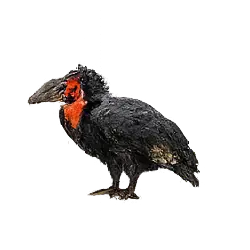
Abyssinian Ground Hornbill
Abyssinian Ground Hornbill is a bird known for bare red facial skin, huge…
Baca panduan spesiesLebih banyak hewan dengan kekuatan Devotion
Jelajahi semua hewan Devotion
Bawa ensiklopedia ke dunia nyata
AnimalDex membantumu memindai hewan nyata, mengidentifikasi spesies, mengoleksi kartu, dan belajar dari alam di mana pun kamu berada.
Muncul di tier list
Lihat posisi spesies ini di halaman tier list AnimalDex yang dibangun dengan perbandingan terstruktur dan metodologi yang jelas.
#8 · Rarity
Rarest Animals in the World: Top 250 Tier List
Giant panda still fits the list because recovery progress does not erase how range-limited and habitat-specific the species remains.
Baca tier list