
Panduan lapangan hewan
Sun Bear
Identifikasi, habitat, rarity, perilaku, simbolisme, fakta, dan pelajaran praktis dari alam.
The Keen Survivor. Honey-reaching forest bear. A small tropical bear that opens hard places to find hidden sweetness.
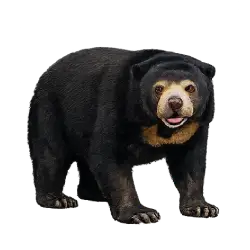
Kartu AnimalDex
Buka kartu hewan ini
Pindai atau tangkap hewan ini dengan AnimalDex untuk membuka kartu koleksi dan menambahkannya ke koleksi satwa liarmu.
Dapatkan AnimalDexNama ilmiah
Helarctos malayanus
Kategori
Mammal
Habitat
Tropical lowland forest, hill forest, swamp forest, and forest-edge mosaic.
Rarity
Rare · 72/100
Native range
South and Southeast Asia.
Hidden Honey
Reach the honey.
Long-Tongue Tree Foraging
Apa yang diajarkannya
Sweetness is found by the one willing to open the hard places.
Coba
A sweet friendship starts after asking the quiet kid to join.
Bukti alam
Sun Bears use long tongues, strong claws, and powerful jaws to extract honey, insects, and fruit from trees, logs, and cavities in tropical forests.
Gunakan untuk
Tangkapan Sun Bear berperingkat
Belum ada tangkapan komunitas berperingkat untuk spesies ini.
Mengapa Hidden Honey?
Alasan di balik Prinsip Hewan ini dan biologi yang mendukungnya.
Sun bears are compact tropical bears with long tongues, curved claws, and strong climbing ability suited to forest feeding on insects, fruit, and honey.
Cara mengidentifikasi Sun Bear
- Smallest bear species with short black coat
- Pale crescent or chest patch on the upper chest
- Long snout and long claws on powerful forefeet
Kenapa Sun Bear menarik
- Sun bears are unusually specialized for tropical forest feeding compared with larger cold-climate bears.
- They are key Southeast Asian mammals that deserve much more public attention.
Habitat: Tropical lowland forest, hill forest, swamp forest, and forest-edge mosaic.
Native range: South and Southeast Asia.
nativeRangeCardTitle
nativeRangeCardDescription
Tropical lowland forest, hill forest, swamp forest, and forest-edge mosaic.
To find Sun Bear in the wild, focus on the exact habitat patches that match its body design and daily behavior, not just the broad country where it exists. You usually do better by working one good piece of habitat inside south and Southeast Asia. than by covering too much ground.
- Quiet marsh edges, reedbeds, river bends, or shallow wetland margins
- Forest edge, canopy gaps, fruiting trees, or shaded trails where cover and food meet
- Sunlit logs, exposed branches, warm rocks, or regular perch sites used for scanning
- Early sun and calm weather usually give the best chance of seeing normal basking, perched, or soaring behavior.
- Work edges, clearings, fruiting trees, and stream crossings rather than walking randomly through dense cover.
- Move quietly, stop often, and give the habitat time to settle; many mammals and insects show themselves only after the first pause.
Honey, bees, termites, ants, beetle larvae, fruit, figs, small vertebrates, and eggs support Hidden Honey because the bear’s tools extract concealed sweetness and protein. The diet turns curiosity into nourishment.
Sun Bears can be active by day or night, often shifting with disturbance and food. Their rhythm follows fruiting trees, insect nests, and the quiet chance to open hard places.
Sun Bears can live for decades, making Hidden Honey a long craft of memory, smell, climbing, and extraction. The lesson repeats whenever the bear finds sweetness behind resistance.
Females give birth to one or two cubs in sheltered dens or tree-related cover, nursing and guarding them closely. Offspring fit the principle because young bears first learn safety before learning to open the forest.
Males are generally larger, but both sexes share the long tongue, climbing ability, and extraction tools that carry the principle.
- Climbs readily to reach fruit and nest sites
- Uses long tongue to extract insects and honey
- Forages alone through dense cover and fallen wood
Sun Bear most often symbolizes hidden honey in AnimalDex because its real survival behavior repeatedly shows this pattern.
Sweetness is found by the one willing to open the hard places.
Sun Bears use long tongues, strong claws, and powerful jaws to extract honey, insects, and fruit from trees, logs, and cavities in tropical forests.
- Use quiet forest edges and canopy vantage points rather than off-trail pursuit.
- Avoid wildlife facilities that stage forced-close encounters.
- Black bear juvenile
- Binturong at distance
- Large civet in low light
statsTitle
statsDescription
statsSourceLabel: statsSourceSpeciesProfile
dominanceStat
72
speedStat
48
sizeStat
42
intelligenceStat
55
rarityStat
72%
Total
289
Size scale
Large
Uses the canonical size stat for consistent placement




US$244 – US$508
Perkiraan rentang nilai
Kepercayaan 69%
Perkiraan nilai AnimalDex dibuat dari stat spesies kanonik.
Not a marketplace listing.
Perkiraan nilai berdasarkan hewan yang teridentifikasi dan konteks harga yang tersedia. Bukan daftar marketplace.
Seberapa langka Sun Bear?
Rarity: Rare (72/100)
Sun bears remain under strong pressure from forest loss, poaching, and low detectability across a shrinking range.
Systems Intelligence & Hidden Purpose
Sudut pandang systems biology untuk melihat bagaimana spesies ini dibangun, peran apa yang dijalankannya di ekosistem, dan pelajaran praktis apa yang bisa dipetik manusia.
System Role
The Tropical Extraction Unit
Sun Bear
Specialized Hardware
Curved claws, long tongue, climbing power, and compact bear build make sun bears excellent hardware for tearing into insect nests, fruit patches, and rotten wood.
Systems Script
Sun bears convert hidden forest resources into usable trophic movement while also dispersing seeds and opening logs. They work the hard-to-access layer of the tropical food system.
Strategic Insight
Value often sits behind a shell, log, or locked box. Build tools for extraction, not just consumption.
Public Animal Power
Explore this Animal Power
This is a public capture, so you can explore its Animal Power here. Personal Apex matches and challenges use your Wild Profile and animals you own.
Own an animal with this power to use it in Growth challenges.
Hewan terkait
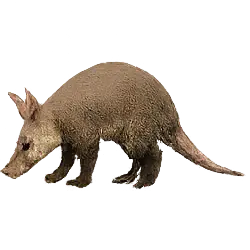
Aardvark
The aardvark is a nocturnal African mammal known for its long snout, strong digging…
Baca panduan spesies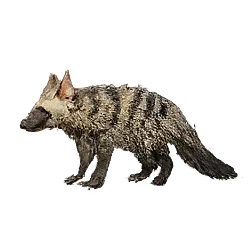
Aardwolf
The aardwolf is a small striped relative of hyenas that feeds mainly on termites rather…
Baca panduan spesies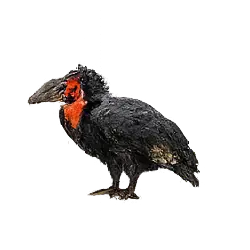
Abyssinian Ground Hornbill
Abyssinian Ground Hornbill is a bird known for bare red facial skin, huge…
Baca panduan spesiesLebih banyak hewan dengan kekuatan Extraction
Jelajahi semua hewan Extraction
Bootlace Worm
Bootlace Worms are ribbon worms with extremely long, flexible bodies and an eversible…
Baca panduan spesies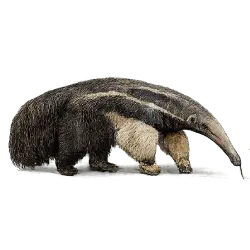
Giant Anteater
The giant anteater is a long-snouted South American mammal specialized for opening…
Baca panduan spesies
Northern Basket Star
Basket Star's power is Night Basket: branching arms that unfurl at night to catch food…
Baca panduan spesiesBawa ensiklopedia ke dunia nyata
AnimalDex membantumu memindai hewan nyata, mengidentifikasi spesies, mengoleksi kartu, dan belajar dari alam di mana pun kamu berada.