
Panduan lapangan hewan
Japanese Sea Nettle
Identifikasi, habitat, rarity, perilaku, simbolisme, fakta, dan pelajaran praktis dari alam.

Kartu AnimalDex
Buka kartu hewan ini
Pindai atau tangkap hewan ini dengan AnimalDex untuk membuka kartu koleksi dan menambahkannya ke koleksi satwa liarmu.
Dapatkan AnimalDexPanduan lapangan hewan
Japanese Sea Nettle
Coastal Bloom
Come all at once.
Timing can turn a small individual into an unmissable event.
No captures yet
Native range
Natural range, not this capture location
Native range keys: north_pacific, east_asia. Warm coastal bays and inshore water around Japan and Korea suit Japanese Sea Nettle because Coastal Bloom depends on shallow, enclosed water where numbers can concentrate.
Search near meAnimalDex stats
Dominance
28
Speed
12
Size
16
Intelligence
6
Rarity
58%
Total
120
Size scale
Nama ilmiah
Chrysaora pacifica
Kategori
Animal
Habitat
Native range keys: north_pacific, east_asia. Warm coastal bays and inshore water around Japan and Korea suit Japanese Sea Nettle because Coastal Bloom depends on shallow, enclosed water where numbers can concentrate.
Rarity
Uncommon · 58/100
Native range
Native range keys: north_pacific, east_asia. Warm coastal bays and inshore water around Japan and Korea suit Japanese Sea Nettle because Coastal Bloom depends on shallow, enclosed water where numbers can concentrate.
Mengapa Coastal Bloom?
Alasan di balik Prinsip Hewan ini dan biologi yang mendukungnya.
Japanese Sea Nettle teaches Coastal Bloom in the bays of Japan and Korea, where a jellyfish barely 20 cm across becomes, for part of every summer, the most abundant animal in the water.
Cara mengidentifikasi Japanese Sea Nettle
- Pale bell marked with sixteen radiating brown stripes
- Bell typically around 20 cm across
- Long, fine tentacles trailing well beyond the bell
- Appears in dense seasonal aggregations in coastal water
Kenapa Japanese Sea Nettle menarik
- The radiating brown stripes on the bell are the quickest way to tell it from other sea nettles.
- It occurs in coastal waters around Japan and Korea.
- Its sting is painful to swimmers and it is a familiar summer nuisance on some beaches.
- Bloom size varies enormously from year to year with water temperature and currents.
- Like other sea nettles it alternates between a drifting medusa and an anchored seabed polyp.
Habitat: Native range keys: north_pacific, east_asia. Warm coastal bays and inshore water around Japan and Korea suit Japanese Sea Nettle because Coastal Bloom depends on shallow, enclosed water where numbers can concentrate.
Native range: Native range keys: north_pacific, east_asia. Warm coastal bays and inshore water around Japan and Korea suit Japanese Sea Nettle because Coastal Bloom depends on shallow, enclosed water where numbers can concentrate.
nativeRangeCardTitle
nativeRangeCardDescription
nativeRangeMissingAssets
Native range keys: north_pacific, east_asia. Warm coastal bays and inshore water around Japan and Korea suit Japanese Sea Nettle because Coastal Bloom depends on shallow, enclosed water where numbers can concentrate.
To find Japanese Sea Nettle in the wild, focus on the exact habitat patches that match its body design and daily behavior, not just the broad country where it exists. You usually do better by working one good piece of habitat inside native range keys: north_pacific, east_asia. Warm coastal bays and inshore water around Japan and Korea suit Japanese Sea Nettle because Coastal Bloom depends on shallow, enclosed water where numbers can concentrate. than by covering too much ground.
- Headlands, reef edges, island colonies, tidal channels, or productive coastal water
- Protected habitat blocks within native range keys: north_pacific, east_asia. Warm coastal bays and inshore water around Japan and Korea suit Japanese Sea Nettle because Coastal Bloom depends on shallow, enclosed water where numbers can concentrate.
- First light and late afternoon are often best, when animals come out to feed along the edge of water.
- Time your search around tide, wind, and visibility, then focus on feeding lines, reef edges, and known haul-out or nesting spots.
- Move quietly, stop often, and give the habitat time to settle; many mammals and insects show themselves only after the first pause.
Zooplankton, fish larvae and other small drifting animals taken on stinging tentacles. This diet supports Coastal Bloom because a dense bloom can only form where plankton is dense enough to feed it.
Sea turtles, ocean sunfish and some fish that take jellyfish. Its answer is numbers and a strong sting rather than any individual defence.
Japanese Sea Nettles pulse steadily around the clock, drifting with tide and current rather than resting.
The medusa stage lives for months at most, while the polyp on the seabed persists for years, holding the population between blooms.
Medusae release larvae that settle as polyps, and those polyps bud off young jellyfish when conditions turn favourable. Offspring fit the principle because the polyp waits, then releases many at once.
Male and female medusae are outwardly identical. Nothing distinguishes them because a bloom reproduces by broadcast rather than by pairing.
- Pale bell marked with sixteen radiating brown stripes
- Bell typically around 20 cm across
- Long, fine tentacles trailing well beyond the bell
- Appears in dense seasonal aggregations in coastal water
Japanese Sea Nettle most often symbolizes coastal bloom in AnimalDex because its real survival behavior repeatedly shows this pattern.
Timing can turn a small individual into an unmissable event.
Japanese Sea Nettle appears in coastal waters in dense seasonal blooms, so a small jellyfish becomes the dominant feature of a whole bay for weeks.
- Observe from a respectful distance and avoid changing the animal's behavior.
- Do not block feeding, shelter, nesting, or travel routes.
- Use a live camera capture without handling or staging wildlife.
Hewan terkait

Pacific Sea Nettle
Pacific Sea Nettle teaches Trailing Drift along the cold California current, where a…
Baca panduan spesies
Japanese Beetle
Japanese beetle carries Garden through a distinctive survival pattern rather than a…
Baca panduan spesies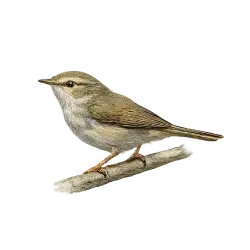
Japanese Bush Warbler
Japanese Bush Warbler teaches Heard Not Seen. It is a plain brown bird in dense cover…
Baca panduan spesiesLebih banyak hewan dengan kekuatan Seasonality
Jelajahi semua hewan Seasonality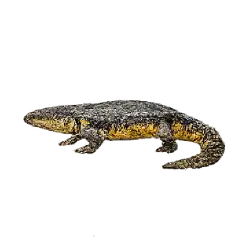
Alpine Newt
Alpine Newt is a amphibian known for orange belly in breeding season, smooth pond-ready…
Baca panduan spesies
Fat-tailed Dwarf Lemur
Fat-tailed Dwarf Lemur's power is Tail-Fat Reserve: fat storage in the tail and torpor…
Baca panduan spesies
Hazel Dormouse
Dormouse's power is Sleep-Season Wisdom: torpor, hibernation, and careful seasonal…
Baca panduan spesiesBawa ensiklopedia ke dunia nyata
AnimalDex membantumu memindai hewan nyata, mengidentifikasi spesies, mengoleksi kartu, dan belajar dari alam di mana pun kamu berada.