
Panduan lapangan hewan
Pacific Sea Nettle
Identifikasi, habitat, rarity, perilaku, simbolisme, fakta, dan pelajaran praktis dari alam.

Kartu AnimalDex
Buka kartu hewan ini
Pindai atau tangkap hewan ini dengan AnimalDex untuk membuka kartu koleksi dan menambahkannya ke koleksi satwa liarmu.
Dapatkan AnimalDexPanduan lapangan hewan
Pacific Sea Nettle
Trailing Drift
Move slow, sweep wide.
What you trail behind you can cover far more ground than you do.
No captures yet
Native range
Natural range, not this capture location
Native range keys: north_pacific. Cool, productive coastal water off western North America suits Pacific Sea Nettle because Trailing Drift needs current to do the travelling and plankton dense enough to make a passive sweep pay.
Search near meAnimalDex stats
Dominance
30
Speed
12
Size
20
Intelligence
6
Rarity
44%
Total
112
Size scale
Nama ilmiah
Chrysaora fuscescens
Kategori
Animal
Habitat
Native range keys: north_pacific. Cool, productive coastal water off western North America suits Pacific Sea Nettle because Trailing Drift needs current to do the travelling and plankton dense enough to make a passive sweep pay.
Rarity
Relatively common · 44/100
Native range
Native range keys: north_pacific. Cool, productive coastal water off western North America suits Pacific Sea Nettle because Trailing Drift needs current to do the travelling and plankton dense enough to make a passive sweep pay.
Mengapa Trailing Drift?
Alasan di balik Prinsip Hewan ini dan biologi yang mendukungnya.
Pacific Sea Nettle teaches Trailing Drift along the cold California current, where a golden bell the size of a dinner plate fishes a column of water several metres deep.
Cara mengidentifikasi Pacific Sea Nettle
- Golden-brown bell, typically around 30 cm across
- Long, frilled oral arms and fine tentacles trailing several metres
- Slow, rhythmic pulsing of the bell
- Gathers in large seasonal aggregations along the coast
Kenapa Pacific Sea Nettle menarik
- Its trailing tentacles can extend several metres behind a bell only a third of a metre wide.
- It occurs along the Pacific coast of North America, from California to Alaska.
- It captures zooplankton, larval fish and other jellyfish with stinging cells on its tentacles.
- Coastal blooms are driven by upwelling and wind, so numbers swing enormously between years.
- Sea turtles and ocean sunfish both eat it.
Habitat: Native range keys: north_pacific. Cool, productive coastal water off western North America suits Pacific Sea Nettle because Trailing Drift needs current to do the travelling and plankton dense enough to make a passive sweep pay.
Native range: Native range keys: north_pacific. Cool, productive coastal water off western North America suits Pacific Sea Nettle because Trailing Drift needs current to do the travelling and plankton dense enough to make a passive sweep pay.
nativeRangeCardTitle
nativeRangeCardDescription
nativeRangeMissingAssets
Native range keys: north_pacific. Cool, productive coastal water off western North America suits Pacific Sea Nettle because Trailing Drift needs current to do the travelling and plankton dense enough to make a passive sweep pay.
To find Pacific Sea Nettle in the wild, focus on the exact habitat patches that match its body design and daily behavior, not just the broad country where it exists. You usually do better by working one good piece of habitat inside native range keys: north_pacific. Cool, productive coastal water off western North America suits Pacific Sea Nettle because Trailing Drift needs current to do the travelling and plankton dense enough to make a passive sweep pay. than by covering too much ground.
- Headlands, reef edges, island colonies, tidal channels, or productive coastal water
- Protected habitat blocks within native range keys: north_pacific. Cool, productive coastal water off western North America suits Pacific Sea Nettle because Trailing Drift needs current to do the travelling and plankton dense enough to make a passive sweep pay.
- First light and late afternoon are often best, when animals come out to feed along the edge of water.
- Time your search around tide, wind, and visibility, then focus on feeding lines, reef edges, and known haul-out or nesting spots.
- Move quietly, stop often, and give the habitat time to settle; many mammals and insects show themselves only after the first pause.
Zooplankton, fish larvae, comb jellies and other small drifting animals caught on stinging tentacles. This diet supports Trailing Drift because prey is captured by trailing gear rather than pursued.
Ocean sunfish, sea turtles and some seabirds. Its answer is not escape but expendability — a bell that keeps functioning with substantial damage, backed by a potent sting.
Pacific Sea Nettles pulse continuously day and night, rising and sinking in the water column rather than resting.
The drifting medusa lives less than a year, but the seabed polyp stage persists for much longer, so the lineage outlasts any individual bell.
Medusae release larvae that settle as polyps on the seabed, and those polyps later bud off stacks of tiny new jellyfish. Offspring fit the principle because the anchored stage stays put while the released stage drifts.
Male and female medusae look alike from outside the bell. Appearance carries no signal because reproduction is by broadcast, not courtship.
- Golden-brown bell, typically around 30 cm across
- Long, frilled oral arms and fine tentacles trailing several metres
- Slow, rhythmic pulsing of the bell
- Gathers in large seasonal aggregations along the coast
Pacific Sea Nettle most often symbolizes trailing drift in AnimalDex because its real survival behavior repeatedly shows this pattern.
What you trail behind you can cover far more ground than you do.
Pacific Sea Nettle pulses slowly but drags oral arms and tentacles several metres behind it, sweeping a volume of water far larger than the bell itself.
- Observe from a respectful distance and avoid changing the animal's behavior.
- Do not block feeding, shelter, nesting, or travel routes.
- Use a live camera capture without handling or staging wildlife.
Hewan terkait

Japanese Sea Nettle
Japanese Sea Nettle teaches Coastal Bloom in the bays of Japan and Korea, where a…
Baca panduan spesies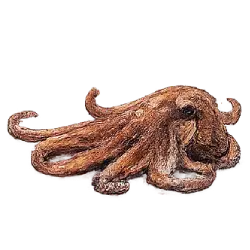
Giant Pacific Octopus
Giant Pacific Octopus is a marine animal known for huge arm span, shape-shifting…
Baca panduan spesies
Indo-Pacific Horseshoe Crab
Indo-Pacific Horseshoe Crab teaches Unchanged Design. Its body plan has worked for…
Baca panduan spesiesLebih banyak hewan dengan kekuatan Flow
Jelajahi semua hewan Flow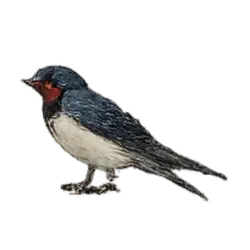
Barn Swallow
Barn swallows are agile aerial insectivores known for forked tails, high-speed turning,…
Baca panduan spesies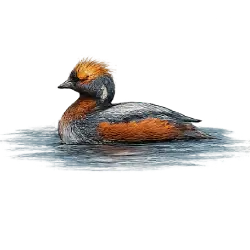
Horned Grebe
Horned Grebe is a bird known for gold hornlike breeding plumes, compact diving body,…
Baca panduan spesies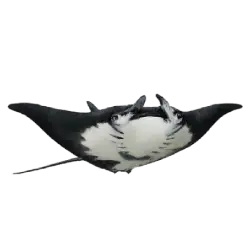
Manta Ray
Manta rays are giant plankton-feeding rays known for broad wing-like pectoral fins,…
Baca panduan spesiesBawa ensiklopedia ke dunia nyata
AnimalDex membantumu memindai hewan nyata, mengidentifikasi spesies, mengoleksi kartu, dan belajar dari alam di mana pun kamu berada.