
Panduan lapangan hewan
Leopard Gecko
Identifikasi, habitat, rarity, perilaku, simbolisme, fakta, dan pelajaran praktis dari alam.
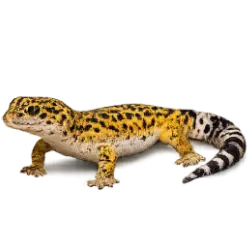
The Nighttime Navigator. The leopard gecko, Eublepharis macularius, is a master of nocturnal survival. With its keen night vision, this ground-dwelling reptile prowls the rocky terrains of its native habitats, using its spotted skin to blend seamlessly with the moonlit landscape. Unlike many of its lizard cousins, the leopard gecko has movable eyelids, allowing it to blink and keep its eyes dust-free. Historically, these geckos have been admired in regions like Pakistan and India for their adaptability to harsh environments. Their unique ability to store fat in their tails acts as a reserve during food scarcity, a trait not shared by all geckos. By utilizing its camouflage and energy reserves, the leopard gecko efficiently navigates its world, turning the cover of night into its greatest ally.
Nama ilmiah
Eublepharis macularius
Kategori
Reptile
Habitat
Dry rocky scrub, semi-desert, and broken stony ground with crevices.
Rarity
Relatively common · 44/100
Native range
South Asia including Afghanistan, Pakistan, India, and nearby regions.
Twilight Timing
Move at twilight.
Nocturnal Hide-and-Hunt
Apa yang diajarkannya
Energy is protected by moving when the world fits your rhythm.
Coba
You study a new language after dinner because that is when your brain actually wakes up.
Bukti alam
Leopard Geckos are crepuscular or nocturnal geckos that hide during hot daylight and emerge in cooler periods to hunt insects and other small prey.
Gunakan untuk
Tangkapan Leopard Gecko berperingkat
3 tangkapan berperingkat dalam grup ini dari kolektor AnimalDex.
Lenny
@lendawgZoo · Baby Zoo - Batu Secret Zoo · Near Jawa Timur Park 2, Batu, East Java, Indonesia
Skor 0
Mengapa Twilight Timing?
Alasan di balik Prinsip Hewan ini dan biologi yang mendukungnya.
The leopard gecko is a ground-dwelling nocturnal gecko known for spotted skin, movable eyelids, and tail-based energy storage in dry rocky habitats.
Cara mengidentifikasi Leopard Gecko
- Yellow to pale body with dark spotting or banding
- Thick tail that stores fat reserves
- Large eyes with eyelids, unlike many geckos
Kenapa Leopard Gecko menarik
- Leopard geckos are useful examples of dryland nocturnal reptile strategy.
- They also demonstrate that not all geckos are wall-climbing specialists.
Habitat: Dry rocky scrub, semi-desert, and broken stony ground with crevices.
Native range: South Asia including Afghanistan, Pakistan, India, and nearby regions.
nativeRangeCardTitle
nativeRangeCardDescription
Dry rocky scrub, semi-desert, and broken stony ground with crevices.
To find Leopard Gecko in the wild, focus on the exact habitat patches that match its body design and daily behavior, not just the broad country where it exists. You usually do better by working one good piece of habitat inside south Asia including Afghanistan, Pakistan, India, and nearby regions. than by covering too much ground.
- Water sources, dune bases, rocky wadis, or shaded scrub at first and last light
- Protected habitat blocks within south Asia including Afghanistan, Pakistan, India, and nearby regions.
- Go at dusk or after dark, move slowly, and listen before using a light or stepping into cover.
- Check shaded cover, water points, and cooler hours, because many dry-country animals avoid peak heat.
- Slow down and scan shapes, outlines, and eye-level silhouettes; many good sightings come from noticing what does not move.
Crickets, beetles, larvae, spiders, and small invertebrates support Twilight Timing because prey is hunted when temperatures fit the body.
Leopard Geckos are crepuscular or nocturnal, hiding by hot day and moving in cooler hours. Their rhythm conserves energy.
Leopard Gecko can live long enough for repeated seasonal, territorial, or breeding cycles to matter. The exact lifespan varies with predators, habitat pressure, and care, but the lesson depends on repeated use of its core strategy.
females lay pairs of eggs in warm hidden sites. Offspring survival depends on the same habitat logic that shapes the adult: shelter, timing, food access, and protection from predators.
Males and females may differ in size, ornament, or breeding role depending on the species, but the field-guide lesson is carried by the shared survival design rather than a generic male-versus-female contrast.
- Forages at night for insects and small invertebrates
- Stores energy in the tail for lean periods
- Uses burrows and rock crevices to avoid daytime heat
Leopard Gecko most often symbolizes twilight timing in AnimalDex because its real survival behavior repeatedly shows this pattern.
Energy is protected by moving when the world fits your rhythm.
Leopard Geckos are crepuscular or nocturnal geckos that hide during hot daylight and emerge in cooler periods to hunt insects and other small prey.
- Search with low light around rocks without overturning shelter sites.
- Do not handle wild geckos because tail stress responses are costly.
- House gecko
- Fat-tailed gecko
- Juvenile monitor lizard at poor angle
0/1 XP toward Level 2
statsTitle
statsDescription
statsSourceLabel: statsSourceSpeciesProfile
dominanceStat
18
speedStat
30
sizeStat
12
intelligenceStat
24
rarityStat
44%
Total
128
Size scale
Small
Uses the canonical size stat for consistent placement

US$81 – US$169
Perkiraan rentang nilai
Kepercayaan 69%
Perkiraan nilai AnimalDex dibuat dari stat spesies kanonik.
Not a marketplace listing.
Perkiraan nilai berdasarkan hewan yang teridentifikasi dan konteks harga yang tersedia. Bukan daftar marketplace.
Seberapa langka Leopard Gecko?
Rarity: Relatively common (44/100)
Wild leopard geckos can be locally regular in suitable habitat, though pet trade familiarity often hides how regionally limited they are.
Systems Intelligence & Hidden Purpose
Sudut pandang systems biology untuk melihat bagaimana spesies ini dibangun, peran apa yang dijalankannya di ekosistem, dan pelajaran praktis apa yang bisa dipetik manusia.
System Role
The Dryland Night Operator
Leopard Gecko
Specialized Hardware
Movable eyelids, fat-storing tail, and low-light hunting senses make leopard geckos resilient nocturnal hardware for arid and rocky terrain.
Systems Script
They clean up insects and small prey in the cooler hours when daytime heat loses its advantage. Their niche runs on timing discipline and energy storage rather than brute force.
Strategic Insight
Resilience improves when you carry reserves and choose the shift that fits your hardware.
Public Animal Power
Explore this Animal Power
This is a public capture, so you can explore its Animal Power here. Personal Apex matches and challenges use your Wild Profile and animals you own.
Own an animal with this power to use it in Growth challenges.
Comparison hearts ready
3 of 3 hearts remaining. Each loss removes 1 heart.
✦ Available actions
Compare this public animal when your deck meets the current rules.
⚡CompareUnavailable›Hewan terkait
Aardvark
The aardvark is a nocturnal African mammal known for its long snout, strong digging…
Baca panduan spesies
Aardwolf
The aardwolf is a small striped relative of hyenas that feeds mainly on termites rather…
Baca panduan spesies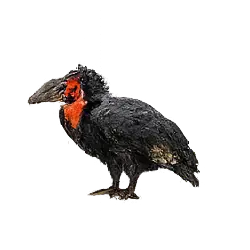
Abyssinian Ground Hornbill
Abyssinian Ground Hornbill is a bird known for bare red facial skin, huge…
Baca panduan spesiesLebih banyak hewan dengan kekuatan Night Work
Jelajahi semua hewan Night WorkAardwolf
The aardwolf is a small striped relative of hyenas that feeds mainly on termites rather…
Baca panduan spesies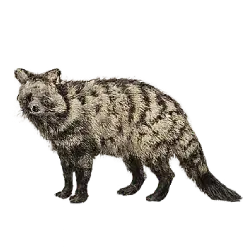
African Civet
African Civet is a mammal known for bold black-and-white pattern, night-active…
Baca panduan spesies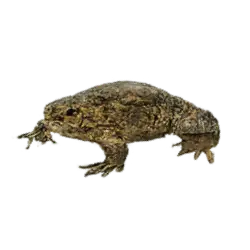
African Clawed Frog
African Clawed Frog is a amphibian known for clawed hind feet, fully aquatic flat body,…
Baca panduan spesiesBawa ensiklopedia ke dunia nyata
AnimalDex membantumu memindai hewan nyata, mengidentifikasi spesies, mengoleksi kartu, dan belajar dari alam di mana pun kamu berada.
Panduan blog terkait
Lanjutkan belajar lewat artikel praktis yang terhubung dengan spesies ini.
Biomimicry in Animals: 35 Examples of Nature-Inspired Design
Discover 35 examples of biomimicry in animals, from shark skin and gecko feet to owl wings, elephant trunks, whale fins, spider silk, dolphins, ants, bees, and more.
Baca artikel blogMuncul di tier list
Lihat posisi spesies ini di halaman tier list AnimalDex yang dibangun dengan perbandingan terstruktur dan metodologi yang jelas.
#9 · Camouflage
Animals with the Best Camouflage: Top 100 Tier List
Leopard gecko rounds out the reptile side of the ranking with practical substrate camouflage.
Baca tier list