
Panduan lapangan hewan
Malayan Tapir
Identifikasi, habitat, rarity, perilaku, simbolisme, fakta, dan pelajaran praktis dari alam.
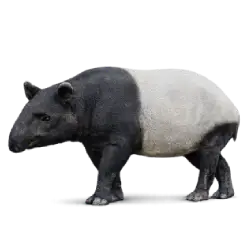
The Midnight Blanket Browser. The Malayan Tapir uses a flexible snout and bold black-and-white body to browse through forest shadows like a walking patch of moonlight. It reminds us that strong contrast can still hide a shape.
Kartu AnimalDex
Buka kartu hewan ini
Pindai atau tangkap hewan ini dengan AnimalDex untuk membuka kartu koleksi dan menambahkannya ke koleksi satwa liarmu.
Dapatkan AnimalDexNama ilmiah
Tapirus indicus
Kategori
Mammal
Habitat
Lowland rainforest, swamp forest, river edges, and dense secondary forest.
Rarity
Rare · 78/100
Native range
Southern Thailand, Peninsular Malaysia, and Sumatra.
Contrast Camouflage
Hide in contrast.
Black-White Forest Disruption
Apa yang diajarkannya
A bold contrast can hide a body when the shadows already speak in patches.
Coba
You keep strong opinions private at first in a new workplace until you understand the shadows in the culture.
Bukti alam
Malayan Tapirs have a black-and-white saddle pattern that disrupts their outline in dark forest. They browse with flexible snouts and move through dense tropical habitats.
Gunakan untuk
Tangkapan Malayan Tapir berperingkat
Belum ada tangkapan komunitas berperingkat untuk spesies ini.
Mengapa Contrast Camouflage?
Alasan di balik Prinsip Hewan ini dan biologi yang mendukungnya.
The Malayan tapir is a large nocturnal forest browser with a distinctive black-and-white body pattern, flexible snout, and dependence on wet tropical cover.
Cara mengidentifikasi Malayan Tapir
- Large barrel-shaped body with sharp black-and-white saddle pattern
- Short trunk-like snout used in browsing
- Rounded ears edged in white and heavy deliberate gait
Kenapa Malayan Tapir menarik
- Its body pattern is one of the most unusual large-mammal field marks in Asia.
- The species is a strong indicator of lowland forest continuity.
Habitat: Lowland rainforest, swamp forest, river edges, and dense secondary forest.
Native range: Southern Thailand, Peninsular Malaysia, and Sumatra.
nativeRangeCardTitle
nativeRangeCardDescription
Lowland rainforest, swamp forest, river edges, and dense secondary forest.
To find Malayan Tapir in the wild, focus on the exact habitat patches that match its body design and daily behavior, not just the broad country where it exists. You usually do better by working one good piece of habitat inside southern Thailand, Peninsular Malaysia, and Sumatra. than by covering too much ground.
- Quiet marsh edges, reedbeds, river bends, or shallow wetland margins
- Forest edge, canopy gaps, fruiting trees, or shaded trails where cover and food meet
- Protected habitat blocks within southern Thailand, Peninsular Malaysia, and Sumatra.
- Go at dusk or after dark, move slowly, and listen before using a light or stepping into cover.
- Work edges, clearings, fruiting trees, and stream crossings rather than walking randomly through dense cover.
- Move quietly, stop often, and give the habitat time to settle; many mammals and insects show themselves only after the first pause.
Leaves, fruit, twigs, and aquatic plants support Contrast Camouflage because the tapir browses quietly through broken forest shadow.
Tigers, leopards, crocodiles, humans, and habitat loss threaten Malayan Tapirs, making cover, water, and disrupted outline important.
Malayan Tapirs are mostly nocturnal or crepuscular, moving through forest patches when contrast and shadow strengthen concealment.
They may live around 25 to 30 years, if forest, water routes, and browsing habitat remain safely connected.
Females usually bear a single striped calf that hides in cover, beginning life with a different but equally disruptive camouflage.
Sexes are broadly similar, though females may be larger; the black-white saddle pattern carries Contrast Camouflage for both.
- Feeds mostly at night on leaves, shoots, and aquatic vegetation
- Uses dense cover and water as daytime protection
- Moves along quiet forest trails and river margins
Malayan Tapir most often symbolizes contrast camouflage in AnimalDex because its real survival behavior repeatedly shows this pattern.
A bold contrast can hide a body when the shadows already speak in patches.
Malayan Tapirs have a black-and-white saddle pattern that disrupts their outline in dark forest. They browse with flexible snouts and move through dense tropical habitats.
- Move slowly on night drives because tapirs may freeze rather than flee cleanly.
- Never pressure an animal standing near road edges or river crossings.
- Young wild pig
- Pygmy hippopotamus in captivity only
- Dark livestock in headlights
statsTitle
statsDescription
statsSourceLabel: statsSourceSpeciesProfile
dominanceStat
62
speedStat
48
sizeStat
58
intelligenceStat
48
rarityStat
78%
Total
294
Size scale
Large
Uses the canonical size stat for consistent placement

US$276 – US$572
Perkiraan rentang nilai
Kepercayaan 69%
Perkiraan nilai AnimalDex dibuat dari stat spesies kanonik.
Not a marketplace listing.
Perkiraan nilai berdasarkan hewan yang teridentifikasi dan konteks harga yang tersedia. Bukan daftar marketplace.
Seberapa langka Malayan Tapir?
Rarity: Rare (78/100)
The species has a limited regional range and is strongly affected by fragmentation, roads, and lowland forest loss.
Systems Intelligence & Hidden Purpose
Sudut pandang systems biology untuk melihat bagaimana spesies ini dibangun, peran apa yang dijalankannya di ekosistem, dan pelajaran praktis apa yang bisa dipetik manusia.
System Role
The Lowland Forest Browser
Malayan Tapir
Specialized Hardware
A flexible snout, heavy low-light body plan, and quiet nocturnal movement make the Malayan tapir browsing hardware for dense wet lowland cover.
Systems Script
Tapirs move plant matter and seeds through forests that many large mammals no longer occupy consistently. Their presence helps keep lowland forest food webs from thinning into silence.
Strategic Insight
Large systems do not need spectacle to matter. Quiet persistence can hold more structure than visible noise.
Public Animal Power
Explore this Animal Power
This is a public capture, so you can explore its Animal Power here. Personal Apex matches and challenges use your Wild Profile and animals you own.
Own an animal with this power to use it in Growth challenges.
Hewan terkait
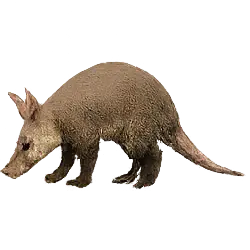
Aardvark
The aardvark is a nocturnal African mammal known for its long snout, strong digging…
Baca panduan spesies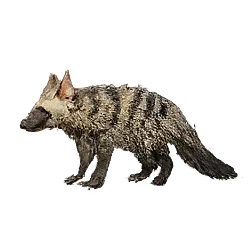
Aardwolf
The aardwolf is a small striped relative of hyenas that feeds mainly on termites rather…
Baca panduan spesies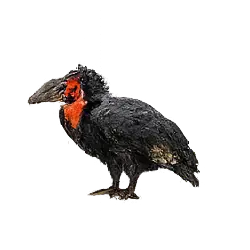
Abyssinian Ground Hornbill
Abyssinian Ground Hornbill is a bird known for bare red facial skin, huge…
Baca panduan spesiesLebih banyak hewan dengan kekuatan Browsing
Jelajahi semua hewan Browsing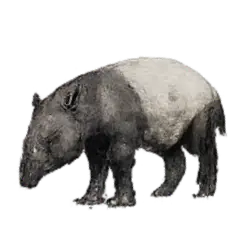
Baird's Tapir
Baird's Tapir is a mammal known for short trunk-like nose, forest seed-spreading habit,…
Baca panduan spesies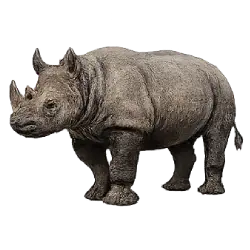
Black Rhinoceros
The black rhinoceros is a browsing rhino recognized by its two horns, hooked upper lip,…
Baca panduan spesies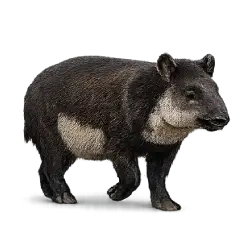
Mountain Tapir
Mountain Tapir is a mammal known for woolly highland coat, short flexible snout, and…
Baca panduan spesiesBawa ensiklopedia ke dunia nyata
AnimalDex membantumu memindai hewan nyata, mengidentifikasi spesies, mengoleksi kartu, dan belajar dari alam di mana pun kamu berada.