
Panduan lapangan hewan
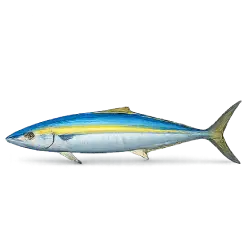
Rainbow Runner
Identifikasi, habitat, rarity, perilaku, simbolisme, fakta, dan pelajaran praktis dari alam.
Kartu AnimalDex
Buka kartu hewan ini
Pindai atau tangkap hewan ini dengan AnimalDex untuk membuka kartu koleksi dan menambahkannya ke koleksi satwa liarmu.
Dapatkan AnimalDexPanduan lapangan hewan
Rainbow Runner
Color Speed
Race in color.
Joy and speed can share the same bright body.
No captures yet
Native range
Location unknown
AnimalDex does not have a mapped native range region for this profile yet.
AnimalDex stats
Dominance
57
Speed
70
Size
42
Intelligence
31
Rarity
44%
Total
244
Size scale
Nama ilmiah
Elagatis bipinnulata
Kategori
Fish
Habitat
reef edge, offshore current, and tropical bluewater
Rarity
Relatively common · 44/100
Native range
Tropical seas worldwide
Mengapa Color Speed?
Alasan di balik Prinsip Hewan ini dan biologi yang mendukungnya.
Rainbow Runner is a fish known for electric blue and yellow stripes, narrow fast-swimming body, and schooling pursuit.
Cara mengidentifikasi Rainbow Runner
- electric blue and yellow stripes
- narrow fast-swimming body
- schooling pursuit
- Often associated with reef edge, offshore current, and tropical bluewater
Kenapa Rainbow Runner menarik
- Rainbow Runner is a useful example of how anatomy and habitat fit together as one survival system.
- Its shape, movement style, and food strategy make it easy to compare with related animals.
- This species turns one page into a lesson about adaptation, ecosystem role, and identification.
Habitat: reef edge, offshore current, and tropical bluewater
Native range: Tropical seas worldwide
To find Rainbow Runner in the wild, focus on the exact habitat patches that match its body design and daily behavior, not just the broad country where it exists. You usually do better by working one good piece of habitat inside tropical seas worldwide than by covering too much ground.
- Headlands, reef edges, island colonies, tidal channels, or productive coastal water
- Protected habitat blocks within tropical seas worldwide
- First light and late afternoon are often best, when animals come out to feed along the edge of water.
- Time your search around tide, wind, and visibility, then focus on feeding lines, reef edges, and known haul-out or nesting spots.
- Choose a viewing point with clean light and water visibility, then watch for repeated surfacing, feeding, or current lines.
Small fish, squid, and crustaceans support Color Speed because prey is pursued through open water.
They are active open-water swimmers, feeding when prey schools are available. Their rhythm is motion, color, and pursuit.
Rainbow Runner can live long enough for repeated seasonal, territorial, or breeding cycles to matter. The exact lifespan varies with predators, habitat pressure, and care, but the lesson depends on repeated use of its core strategy.
spawning releases eggs into open water. Offspring survival depends on the same habitat logic that shapes the adult: shelter, timing, food access, and protection from predators.
Males and females may differ in size, ornament, or breeding role depending on the species, but the field-guide lesson is carried by the shared survival design rather than a generic male-versus-female contrast.
- Rainbow Runner adjusts movement and feeding to match light, temperature, and food access in its habitat.
- Body design, timing, and shelter choices all help this species stay effective in the wild.
- Patient observation usually reveals more behavior than close approach or fast movement.
Rainbow Runner most often symbolizes color speed in AnimalDex because its real survival behavior repeatedly shows this pattern.
Joy and speed can share the same bright body.
Rainbow Runners are fast pelagic fish with streamlined bodies and vivid stripes, pursuing prey in warm open-ocean waters.
- Keep distance and let the animal choose the space.
- Avoid blocking movement routes, nesting areas, or feeding behavior.
- Use optics, patience, and quiet observation instead of crowding for a closer view.
- Regional relatives may look similar at a distance.
- Juveniles, adults, and seasonal forms can differ in color or size.
- Light, angle, and habitat context can change how field marks appear.
Hewan terkait
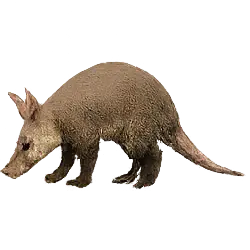
Aardvark
The aardvark is a nocturnal African mammal known for its long snout, strong digging…
Baca panduan spesies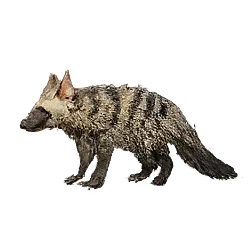
Aardwolf
The aardwolf is a small striped relative of hyenas that feeds mainly on termites rather…
Baca panduan spesies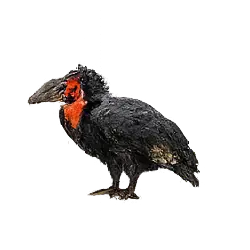
Abyssinian Ground Hornbill
Abyssinian Ground Hornbill is a bird known for bare red facial skin, huge…
Baca panduan spesiesLebih banyak hewan dengan kekuatan Energy
Jelajahi semua hewan Energy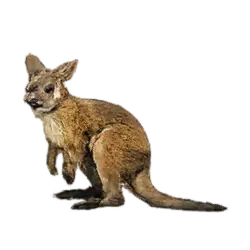
Agile Wallaby
Agile Wallaby is a mammal known for slender long-legged hopper build, pale cheek…
Baca panduan spesies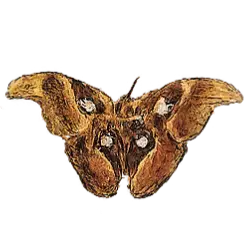
Atlas Moth
The atlas moth is one of the world’s largest moths, known for enormous patterned wings…
Baca panduan spesies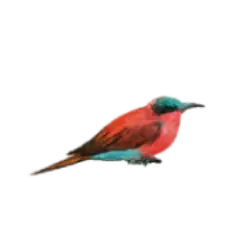
Carmine Bee-eater
Carmine Bee-eater is a bird known for bright carmine body, slender black bill, and…
Baca panduan spesiesBawa ensiklopedia ke dunia nyata
AnimalDex membantumu memindai hewan nyata, mengidentifikasi spesies, mengoleksi kartu, dan belajar dari alam di mana pun kamu berada.