
Panduan lapangan hewan
Red fox
Identifikasi, habitat, rarity, perilaku, simbolisme, fakta, dan pelajaran praktis dari alam.
The Sneaky Shortcut Master. The Red Fox uses sharp ears and light feet to move through woods, fields, and town edges without much sound. It teaches us that knowing the land well can help us find smarter ways forward.
Nama ilmiah
Vulpes vulpes
Kategori
Mammal
Habitat
Farmland, woodland edge, suburban green space, steppe, moor, and open country with cover.
Rarity
Relatively common · 20/100
Native range
Widespread across North America, Europe, Asia, and introduced in Australia.
Cunning
Work the edges.
Edge-Habitat Hunting
Apa yang diajarkannya
The clever path is often found at the border between worlds.
Coba
A bully loses power when the child gets a teacher instead of shouting back.
Bukti alam
Red Foxes are flexible hunters and foragers that use sharp hearing, light-footed movement, caching, and edge habitats such as fields, woods, and urban margins to find food.
Gunakan untuk
Tangkapan Red fox berperingkat
1 tangkapan berperingkat dalam grup ini dari kolektor AnimalDex.
Lenny
@lendawgZoo · Play Sanctuary Daycare · Near Sudirman Central Business District, South Jakarta, Indonesia
Skor 0
Mengapa Cunning?
Alasan di balik Prinsip Hewan ini dan biologi yang mendukungnya.
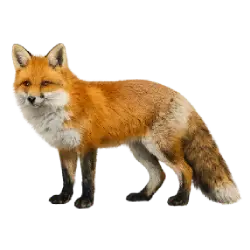
The red fox is a versatile medium-sized canid known for sharp hearing, adaptable diet, and success in habitats ranging from remote countryside to cities.
Cara mengidentifikasi Red fox
- Reddish coat with pale underside and black lower legs
- Long narrow muzzle and large pointed ears
- Very bushy tail often tipped with white
Habitat: Farmland, woodland edge, suburban green space, steppe, moor, and open country with cover.
Native range: Widespread across North America, Europe, Asia, and introduced in Australia.
nativeRangeCardTitle
nativeRangeCardDescription
Farmland, woodland edge, suburban green space, steppe, moor, and open country with cover.
To find Red fox in the wild, focus on the exact habitat patches that match its body design and daily behavior, not just the broad country where it exists. You usually do better by working one good piece of habitat inside widespread across North America, Europe, Asia, and introduced in Australia. than by covering too much ground.
- Forest edge, canopy gaps, fruiting trees, or shaded trails where cover and food meet
- Open grassland edges, lightly wooded plains, or raised ground where you can scan long distances
- Protected habitat blocks within widespread across North America, Europe, Asia, and introduced in Australia.
- Start early, pick one strong patch of habitat, and stay long enough for movement to return after you arrive.
- Work edges, clearings, fruiting trees, and stream crossings rather than walking randomly through dense cover.
- Slow down and scan shapes, outlines, and eye-level silhouettes; many good sightings come from noticing what does not move.
Rodents, rabbits, birds, eggs, insects, fruit, carrion, and scraps support Cunning because the fox survives by switching methods. A clever path is useful only if the diet can change with it.
Red Foxes are often crepuscular or nocturnal, moving at dusk, night, and dawn when edges are quieter. Their rhythm supports clever timing rather than open confrontation.
Wild red foxes often live only a few years, though they can live longer in protected conditions. That short, risky life rewards fast learning and flexible decisions.
Females give birth to kits in dens, and both parents or helpers may provide food in some situations. The den makes cunning domestic: strategy becomes shelter, feeding routes, and teaching young where edges are safe.
Males are usually a little larger than females, but both share the fox’s main lesson. Cunning is not display; it is movement, hearing, timing, and use of the border.
- Uses acute hearing to pinpoint prey under vegetation or snow
- Adjusts diet quickly from rodents to fruit, carrion, and insects
- Travels regular routes between cover, resting sites, and feeding patches
Red fox most often symbolizes cunning in AnimalDex because its real survival behavior repeatedly shows this pattern.
The clever path is often found at the border between worlds.
Red Foxes are flexible hunters and foragers that use sharp hearing, light-footed movement, caching, and edge habitats such as fields, woods, and urban margins to find food.
- Observe quietly at dawn or dusk instead of approaching den sites.
- Do not feed urban foxes, which pushes them into risky human dependence.
- Gray fox
- Golden jackal
- Small domestic dog
2/5 XP toward Level 4
statsTitle
statsDescription
statsSourceLabel: statsSourceSpeciesProfile
dominanceStat
55
speedStat
62
sizeStat
28
intelligenceStat
55
rarityStat
20%
Total
220
Size scale
Medium
Uses the canonical size stat for consistent placement


US$121 – US$251
Perkiraan rentang nilai
Kepercayaan 69%
Perkiraan nilai AnimalDex dibuat dari stat spesies kanonik.
Not a marketplace listing.
Perkiraan nilai berdasarkan hewan yang teridentifikasi dan konteks harga yang tersedia. Bukan daftar marketplace.
Seberapa langka Red fox?
Rarity: Relatively common (20/100)
Red foxes remain common across huge areas because they exploit varied prey and human-altered landscapes effectively.
Systems Intelligence & Hidden Purpose
Sudut pandang systems biology untuk melihat bagaimana spesies ini dibangun, peran apa yang dijalankannya di ekosistem, dan pelajaran praktis apa yang bisa dipetik manusia.
System Role
The Adaptive Edge Operator
Red fox
Specialized Hardware
Acute hearing, agile gait, opportunistic dentition, and a flexible sensory package let the red fox exploit patchy food webs with minimal commitment to one niche.
Systems Script
Foxes thrive on boundaries: field edges, towns, scrub, and woodland seams. They convert fragmented environments into workable hunting maps rather than waiting for pristine conditions.
Strategic Insight
Versatility is not compromise when the environment keeps changing. It is insurance with teeth.
Public Animal Power
Explore this Animal Power
This is a public capture, so you can explore its Animal Power here. Personal Apex matches and challenges use your Wild Profile and animals you own.
Own an animal with this power to use it in Growth challenges.
Comparison hearts ready
3 of 3 hearts remaining. Each loss removes 1 heart.
✦ Available actions
Compare this public animal when your deck meets the current rules.
⚡CompareUnavailable›Hewan terkait
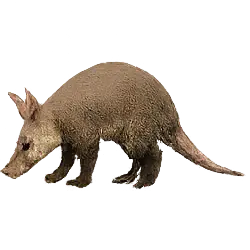
Aardvark
The aardvark is a nocturnal African mammal known for its long snout, strong digging…
Baca panduan spesies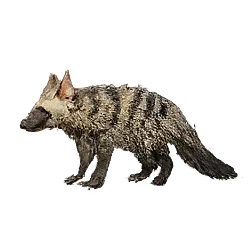
Aardwolf
The aardwolf is a small striped relative of hyenas that feeds mainly on termites rather…
Baca panduan spesies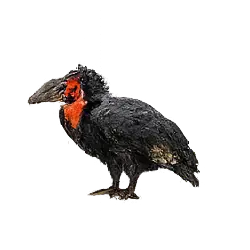
Abyssinian Ground Hornbill
Abyssinian Ground Hornbill is a bird known for bare red facial skin, huge…
Baca panduan spesiesLebih banyak hewan dengan kekuatan Adaptation
Jelajahi semua hewan Adaptation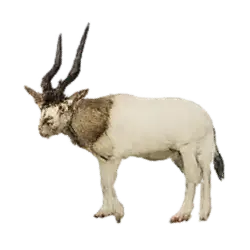
Addax
Addax is a mammal known for pale desert coat, wide spreading hooves, and slow-energy…
Baca panduan spesies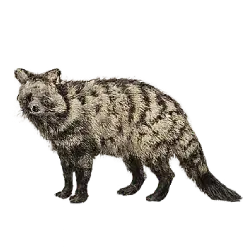
African Civet
African Civet is a mammal known for bold black-and-white pattern, night-active…
Baca panduan spesies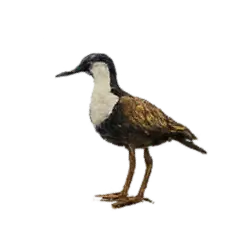
African Jacana
African Jacana is a bird known for extremely long spreading toes, chestnut and black…
Baca panduan spesiesBawa ensiklopedia ke dunia nyata
AnimalDex membantumu memindai hewan nyata, mengidentifikasi spesies, mengoleksi kartu, dan belajar dari alam di mana pun kamu berada.
Comparisons terkait
Lihat bagaimana spesies ini tampil di halaman perbandingan AnimalDex yang terstruktur.
Fox vs Wolf: Who Actually Has the Edge?
Wolf clearly has the edge in a direct fight. Fox stays impressive because it is more about adaptability, stealth, and opportunistic survival than trying to overpower larger canids.
Baca halaman comparisonMuncul di tier list
Lihat posisi spesies ini di halaman tier list AnimalDex yang dibangun dengan perbandingan terstruktur dan metodologi yang jelas.
#1 · Adaptability
Most Adaptable Animals in the World: Top 100 Tier List
Red fox is one of the cleanest adaptability answers because it thrives across wild, rural, and human-modified landscapes.
Baca tier list#4 · Invasive
Largest Introduced and Invasive Animals in the World: Top 100 Tier List
Red fox is not enormous, but it is one of the strongest large-terrestrial invasive conversation pieces because it combines flexibility with predatory pressure.
Baca tier list#4 · Invasive
Most Invasive Species in the World: Top 100 Tier List
Red fox ranks highly because it is an unusually effective adaptable predator in regions where native prey evolved without that exact pressure.
Baca tier list